 WhatsApp Us Now
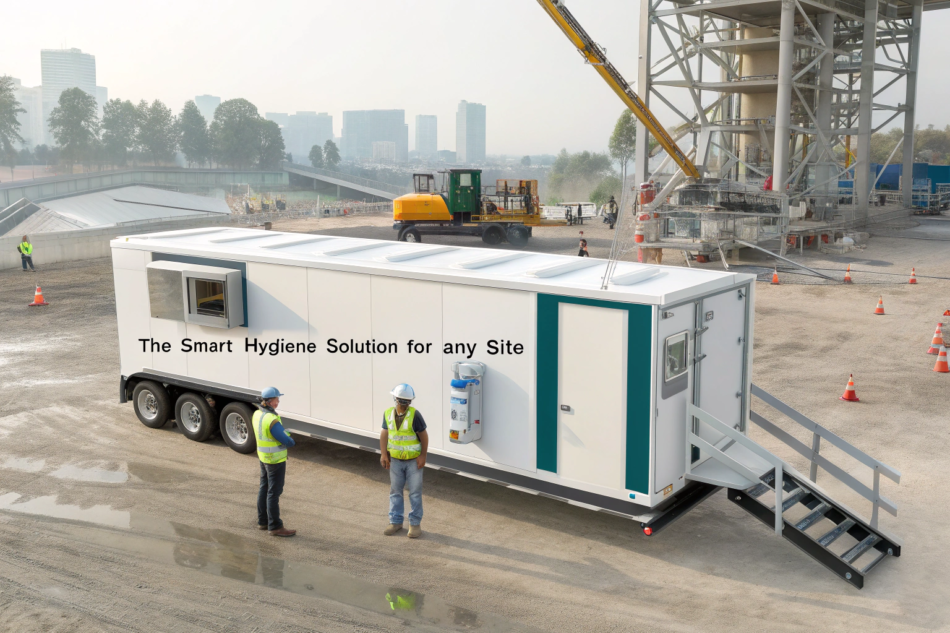
Clean hands are essential in today’s fast-moving environments. A hand-wash trailer offers a reliable, mobile sanitation solution for events, construction sites, emergency response areas, and public gatherings. Instead of relying on limited fixed facilities, organizers and site managers can bring proper handwashing directly where people need it most.
In this guide, you will learn what this mobile handwashing unit is, how it works, its key benefits, and how to select the right option for your needs.
What Is a Hand Wash Trailer?
A mobile handwashing station mounted on a towable trailer delivers running water, soap dispensers, and hygienic sinks in locations that lack permanent plumbing. Because the system is self-contained, it operates efficiently in remote or temporary environments.
Most units include:
- Fresh water tank
- Wastewater (greywater) tank
- Multiple handwashing sinks
- Soap and paper towel dispensers
- Foot-pump or electric pump operation
As a result, users get a true handwashing experience rather than a basic sanitizer station.
Why Mobile Handwashing Matters More Than Ever
Proper hand hygiene reduces the spread of germs in crowded environments. However, many outdoor venues and temporary job sites struggle to provide adequate facilities. A mobile handwashing trailer solves this problem quickly and professionally.
Moreover, many health departments and event regulations now expect accessible handwashing stations. Therefore, having the right equipment is not just convenient; it is often required.
Key Benefits of Using a Hand Wash Trailer
1. Improved Hygiene Standards
First and foremost, a mobile handwashing trailer encourages proper handwashing with soap and running water. While sanitizer helps, it does not remove all contaminants. By contrast, full handwashing significantly lowers the risk of illness transmission. Consequently, events and workplaces maintain a safer environment for guests and staff.
2. Mobility and Fast Setup
Another major advantage is portability. Because the unit is trailer-mounted, teams can tow it to almost any location. After arrival, setup usually takes minimal time. In addition, many models operate without permanent utility connections. This makes them ideal for:
- Outdoor festivals
- Construction zones
- Agricultural sites
- Disaster relief areas
- Sporting events
3. Professional Appearance
Clean, well-designed handwashing stations reflect positively on your organization. A modern hand-wash trailer looks organized and sanitary, which builds trust with visitors.
Furthermore, branded trailers can promote your company or event while serving a practical purpose.
4. Compliance With Health Regulations
Many municipalities and health agencies require accessible handwashing at food events and work sites. Therefore, investing in a mobile handwashing trailer helps meet compliance standards.
Additionally, units with hands-free faucets and proper drainage often satisfy stricter inspection requirements.
5. Cost-Effective Sanitation
Although installing permanent plumbing can be expensive, mobile solutions reduce upfront costs. A mobile handwashing trailer delivers reliable performance without major construction work.
Over time, this flexibility saves money for temporary or seasonal operations.
Common Uses for Hand Wash Trailers
Because of their versatility, these trailers serve many industries.
Events and Festivals
Large gatherings require convenient hygiene access. Event planners use mobile handwashing trailers to support:
- Weddings
- Concerts
- Food festivals
- Corporate functions
As attendance grows, mobile handwashing prevents long lines and improves guest satisfaction.
Construction and Industrial Sites
Workers need proper sanitation to stay productive and healthy. Therefore, contractors often deploy mobile handwashing trailers on long-term projects.
In rugged environments, heavy-duty models withstand frequent relocation and daily use.
Emergency and Disaster Response
During emergencies, infrastructure may be unavailable. However, responders still need sanitation quickly. A hand-wash trailer provides immediate support in relief zones and temporary shelters.
Because of their self-contained design, these units perform well in unpredictable conditions.
Schools and Community Programs
Temporary learning spaces and outdoor programs also benefit from mobile handwashing. As a result, administrators can maintain hygiene standards without building permanent facilities.
Important Features to Look For
Not all units are built the same. Before choosing a hand-wash trailer, evaluate the following features carefully.
Number of Sinks
First, consider capacity. High-traffic events need multiple stations to prevent crowding. Smaller crews may only require two or four sinks.
Water Tank Size
Fresh and greywater tank capacity determines how long the unit can operate. Larger tanks reduce refill frequency, which is helpful for remote locations.
Pump Type
Units typically use either foot pumps or electric pumps.
- Foot pumps: simple and no power required
- Electric pumps: consistent water pressure
Choose based on your site’s power availability.
Hands-Free Operation
Touchless or foot-activated faucets improve hygiene. Moreover, many health departments prefer hands-free systems.
Weather Protection
If you operate year-round, insulation and durable plumbing are essential. Cold-weather protection prevents freezing, while heat-resistant components handle summer conditions.
Ease of Transport
Look for:
- Balanced trailer design
- Standard hitch compatibility
- Stable leveling jacks
These features make relocation much easier.
Tips for Choosing the Right Hand Wash Trailer
Selecting the best unit becomes simpler when you follow a structured approach.
First, estimate daily user volume. This determines sink count and tank size.
Next, review your site conditions. Remote areas may require non-electric models, while event venues may support powered units.
Then, check local health regulations. Requirements can vary by state or municipality.
Finally, think about long-term use. A slightly larger, more durable trailer often provides better value over time.
Maintenance Best Practices
Proper upkeep keeps your hand-wash trailer performing reliably.
- Refill fresh water regularly
- Empty greywater tanks on schedule
- Clean sinks and dispensers daily
- Inspect pumps and hoses weekly
- Winterize plumbing in cold climates
With consistent maintenance, most units deliver years of dependable service.
Conclusion
A hand-wash trailer provides a practical and professional way to maintain hygiene in places without permanent plumbing. Because it combines mobility, compliance support, and user convenience, it has become essential for events, job sites, and emergency operations. When you choose the right features and maintain the unit properly, this mobile solution delivers dependable sanitation wherever your work takes you.
Keep guests and crews protected with a reliable hand-wash trailer built for real-world performance. Contact White Mountain Trailers today to explore durable, easy-to-deploy solutions that keep hygiene simple anywhere.


