 WhatsApp Us Now
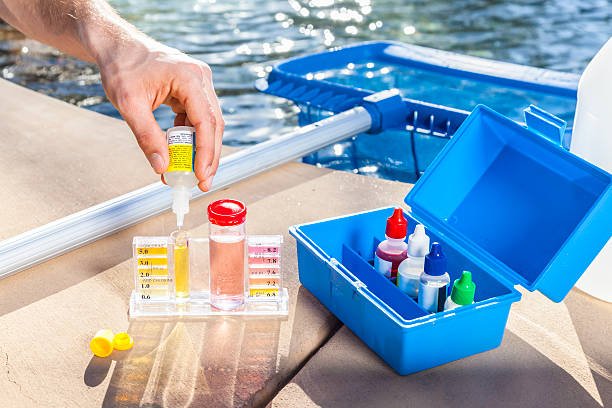
Swimming pools have become essential features across residential communities, hotels, resorts, sports complexes, wellness centers, educational institutions, and recreational facilities worldwide. As the number of commercial and private pools continues to grow, maintaining high standards of water quality, hygiene, and operational efficiency has become increasingly important. Modern pool water maintenance services now encompass far more than routine cleaning, incorporating advanced water testing, automated chemical management, filtration optimization, equipment servicing, and digital monitoring systems. These evolving service offerings are reshaping the Global Pool Water Maintenance Services Market as operators seek safer, more sustainable, and cost-efficient maintenance solutions.
According to a study published by Vyansa Intelligence, the Global Pool Water Maintenance Services Market size was valued at USD 26.5 Billion in 2025 and is projected to reach USD 38.55 Billion by 2032, expanding at a CAGR of 5.5% during 2026–2032.
Rising Expectations for Water Quality Are Driving Professional Services
Consumers increasingly expect swimming pools to deliver consistently clean, safe, and well-maintained environments. Whether at hotels, residential communities, public aquatic centers, or fitness facilities, water quality directly influences user satisfaction and health outcomes.
Professional maintenance providers help ensure proper chemical balance, sanitation, filtration performance, and routine inspections while reducing the likelihood of operational disruptions. Regular maintenance also supports longer equipment life and helps prevent issues that may require costly repairs.
Growing awareness of pool hygiene and preventive maintenance continues to strengthen Global Pool Water Maintenance Services Market growth as property owners recognize the long-term value of professional service programs.
Hospitality and Leisure Industries Continue to Generate Demand
The hospitality sector remains one of the largest users of professional pool maintenance services. Hotels, luxury resorts, vacation rentals, wellness retreats, and recreational destinations rely on consistently maintained swimming pools to enhance guest experiences and strengthen their competitive positioning.
Routine servicing enables hospitality operators to maintain high operational standards while minimizing unexpected downtime. Preventive inspections, filtration system maintenance, and scheduled water quality assessments contribute to reliable facility performance throughout the year.
As global tourism infrastructure continues to develop and hospitality providers invest in premium guest amenities, demand for comprehensive maintenance services is expected to remain strong, creating significant Global Pool Water Maintenance Services Market opportunities.
Sustainability Is Transforming Pool Maintenance Practices
Environmental responsibility has become a defining trend across the global pool industry. Operators are increasingly seeking maintenance solutions that reduce water consumption, improve energy efficiency, and optimize chemical usage while maintaining excellent water quality.
Modern maintenance programs increasingly incorporate automated dosing systems, variable-speed pumps, high-efficiency filtration technologies, leak detection solutions, and water recycling practices that help reduce environmental impact.
Sustainable pool management also aligns with broader global initiatives promoting responsible water resource management. The United Nations Sustainable Development Goal 6 emphasizes sustainable water management and efficient use of water resources, encouraging service providers to adopt environmentally responsible maintenance practices that balance operational performance with resource conservation.
These developments are becoming increasingly influential in shaping Global Pool Water Maintenance Services Market trends.
Digital Technologies Are Modernizing Service Delivery
The pool maintenance industry is experiencing rapid digital transformation through the integration of smart technologies. Internet of Things (IoT) sensors, cloud-connected monitoring systems, automated controllers, and mobile service platforms are enabling continuous oversight of pool operations.
Real-time monitoring provides immediate information regarding water chemistry, filtration efficiency, temperature, and equipment performance. Maintenance teams can identify operational changes before they develop into significant problems, reducing emergency repairs and improving service efficiency.
Cloud-based management platforms also simplify maintenance scheduling, reporting, customer communication, and historical performance tracking, allowing service providers to deliver more proactive and data-driven maintenance solutions.
Preventive Maintenance Improves Long-Term Asset Performance
Swimming pools represent substantial investments that require ongoing care to preserve infrastructure and operational reliability. Rather than relying solely on reactive repairs, many facility owners now prioritize preventive maintenance strategies that identify potential issues before equipment failures occur.
Routine inspections of pumps, filters, heaters, circulation systems, automation controls, and plumbing components help extend equipment lifespan while reducing unexpected maintenance costs. Predictive servicing also minimizes operational interruptions, supporting continuous availability of recreational facilities.
This shift toward lifecycle asset management is encouraging broader adoption of long-term maintenance contracts across residential, commercial, and institutional pool operators.
Regulatory Compliance Reinforces Service Requirements
Many countries maintain regulations governing public swimming pools to protect user health and ensure consistent operational standards. Compliance often requires regular monitoring of water quality, equipment performance, sanitation practices, and operational documentation.
Professional maintenance providers assist facility operators by implementing structured maintenance procedures that support regulatory compliance while improving operational consistency. Their technical expertise helps organizations navigate evolving standards and maintain confidence in public safety.
As regulatory expectations continue evolving, professional maintenance services are becoming increasingly valuable across both public and private swimming facilities.
Industry Challenges Include Workforce and Technology Integration
Despite favorable market conditions, service providers face several operational challenges. Recruiting skilled technicians capable of maintaining increasingly sophisticated pool systems remains a priority as digital technologies become more widely adopted.
Integrating smart monitoring equipment with existing pool infrastructure may also require customized engineering solutions, particularly for older facilities. Additionally, seasonal fluctuations in pool usage can influence staffing requirements and service scheduling across different geographic regions.
Balancing technological innovation with workforce development and operational efficiency will remain essential for maintaining service quality as customer expectations continue to evolve.
Future Outlook
The Global Pool Water Maintenance Services Market forecast remains positive as investments in hospitality infrastructure, residential communities, sports facilities, and wellness centers continue driving demand for professional maintenance solutions. Growing emphasis on sustainability, digital transformation, preventive maintenance, and water conservation is expected to accelerate adoption of advanced service offerings across the industry.
Future market growth will likely be supported by continued innovation in smart monitoring technologies, automated water treatment systems, predictive maintenance platforms, and environmentally responsible pool management practices. Organizations that combine technical expertise, digital capabilities, and sustainable service models will be well positioned to capitalize on emerging opportunities while helping customers maintain safe, efficient, and high-quality swimming pool environments worldwide.


