 WhatsApp Us Now
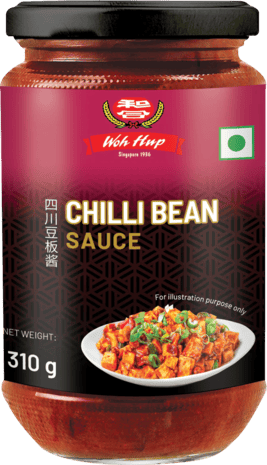
Stir-fry dishes are popular because they are quick to prepare, easy to customize, and packed with flavor. The right sauce can turn simple vegetables, tofu, noodles, chicken, or other ingredients into a flavorful meal. Chilli bean sauce is particularly useful when you want to add a combination of spicy, savory, and fermented flavors without preparing a complicated sauce from scratch.
However, using too much can make a dish overly salty or spicy, while using too little may not provide enough flavor. Knowing when to add it, how much to use, and which ingredients work well with it can help you prepare a more balanced stir-fry.
What Is Chilli Bean Sauce?
Chilli bean sauce is a savory, spicy condiment commonly used in Chinese and other Asian-inspired cooking. It is generally made using ingredients such as fermented beans, chilli peppers, salt, and seasonings. Depending on the product, the texture and level of heat can vary.
Its fermented character gives dishes a deeper savory taste, while chillies provide heat. Because the sauce can already contain a significant amount of salt, it is important to consider the other salty ingredients in your recipe before adding additional soy sauce or seasoning.
Why Use It in Stir-Fry Recipes?
A good stir-fry needs a balance of flavors. Chilli bean sauce can provide heat, saltiness, umami, and fermented notes in a single ingredient.
It works especially well with vegetables, tofu, mushrooms, noodles, chicken, pork, and other ingredients that can absorb strong flavors. It can also be combined with ingredients such as garlic, ginger, soy sauce, sesame oil, or rice vinegar to create a more balanced sauce.
The key is to treat it as a concentrated seasoning rather than simply adding a large quantity to the pan.
How Much Chilli Bean Sauce Should You Use?
The amount depends on the recipe, serving size, and strength of the particular product. As a starting point, use around one to two teaspoons for a stir-fry serving two people, then adjust according to taste.
If you are using it for the first time, start with a smaller quantity. You can always add more during cooking, but correcting an overly spicy or salty dish can be more difficult.
Always check the product label because different varieties can have significantly different levels of heat and salt.
Step-by-Step Method for a Stir-Fry
1. Prepare All Ingredients First
Stir-frying happens quickly, so chop your vegetables and prepare your protein before heating the pan. Cut ingredients into similar-sized pieces so they cook more evenly.
Common vegetables include bell peppers, broccoli, carrots, cabbage, mushrooms, onions, and beans.
2. Heat the Pan Properly
Use a wok or large frying pan and heat it before adding oil. A sufficiently hot pan helps ingredients cook quickly without becoming excessively soft.
Add a small amount of suitable cooking oil and spread it across the cooking surface.
3. Cook Protein or Firm Ingredients
If you are adding tofu, chicken, prawns, or another protein, cook it according to the appropriate food-safety requirements. Once cooked, remove it temporarily if necessary to prevent overcooking while the vegetables are prepared.
4. Add Aromatics
Garlic and ginger can provide additional depth to the stir-fry. Add them briefly and avoid burning them, as burnt garlic can make the entire dish bitter.
5. Add Chilli Bean Sauce
Once the aromatics are fragrant, add the chilli bean sauce. Stir it into the oil and ingredients for a short period.
Cooking the sauce briefly can help distribute its flavor throughout the dish. Avoid leaving it unattended over high heat because fermented sauces can stick or burn.
6. Add Vegetables
Add vegetables according to their cooking time. Firmer vegetables such as carrots and broccoli may need to go in earlier, while leafy vegetables can be added later.
Keep the ingredients moving so they cook evenly.
7. Add Your Sauce Mixture
For a balanced stir-fry sauce, combine chilli bean sauce with ingredients such as a small amount of soy sauce, water or stock, rice vinegar, or a little sugar.
If the chilli bean sauce is already salty, reduce or skip additional soy sauce. Taste toward the end and make small adjustments.
8. Return the Protein and Finish
Add the cooked protein back to the pan and toss everything together. Cook until the sauce evenly coats the ingredients.
A small amount of sesame oil added at the end can provide additional aroma, if suitable for the recipe.
Best Ingredients to Pair With Chilli Bean Sauce
This sauce pairs particularly well with ingredients that can balance its strong flavor. Tofu and mushrooms work well because they absorb savory sauces. Broccoli, cabbage, bell peppers, and beans can provide texture and mild sweetness.
Noodles and rice are also useful because they can spread the sauce across a larger quantity of food. For protein-based stir-fries, chicken, pork, prawns, and tofu can complement its savory character.
Common Mistakes to Avoid
One of the most common mistakes is adding too much sauce at the beginning. Since many varieties are concentrated and salty, excessive amounts can overpower the other ingredients.
Another mistake is adding several salty ingredients without tasting first. Soy sauce, oyster sauce, stock, and chilli bean sauce can collectively increase the saltiness significantly.
Avoid burning the sauce by cooking it briefly and keeping an eye on the pan. Finally, do not add all vegetables simultaneously if they have very different cooking times.
How to Fix an Overly Spicy or Salty Stir-Fry
If your stir-fry becomes too spicy, increase the amount of mild ingredients such as vegetables, noodles, rice, or tofu. A small amount of sweetness can also help balance intense heat.
If the dish is too salty, add unsalted ingredients or a little water or unsalted stock. Avoid adding more soy sauce or other salty condiments.
Taste after each adjustment rather than making several changes at once.
Conclusion
Chilli bean sauce can make stir-fry recipes more flavorful with its combination of spicy, savory, and fermented notes. The best results come from using it in moderation and balancing it with fresh vegetables, protein, noodles, or rice.
Start with a small amount, consider the saltiness of other ingredients, and add the sauce during the cooking process so its flavor spreads evenly. With the right balance, it can become a convenient ingredient for preparing flavorful stir-fries at home.
FAQs
1. Can I use chilli bean sauce directly in a stir-fry?
Yes. It can be added directly to the pan during cooking. However, because it can be concentrated, start with a small amount and adjust according to taste.
2. Why is my stir-fry too salty after adding chilli bean sauce?
The sauce itself may contain salt, and other ingredients such as soy sauce or stock can increase the overall saltiness. Use less additional seasoning and add unsalted vegetables, noodles, tofu, or other ingredients if the dish becomes too salty.
3. How can I reduce the spiciness of a stir-fry?
Add more mild ingredients such as vegetables, tofu, noodles, or rice. You can also balance the heat with a small amount of sweetness, depending on the recipe.
4. Can chilli bean sauce be used with vegetables only?
Yes. It works well in vegetable stir-fries. Broccoli, mushrooms, cabbage, bell peppers, carrots, beans, and tofu can all pair well with its strong savory flavor.
5. Should I add chilli bean sauce before or after vegetables?
It can be added after the aromatics and before or alongside the main ingredients, depending on the recipe. Briefly cooking it in the pan helps distribute its flavor throughout the stir-fry.
6. What can I use if my chilli bean sauce is too strong?
Reduce the quantity and dilute the flavor with unsalted ingredients, water, or a suitable stock. Adding more vegetables, noodles, tofu, or protein can also help distribute the sauce more evenly.


