 WhatsApp Us Now
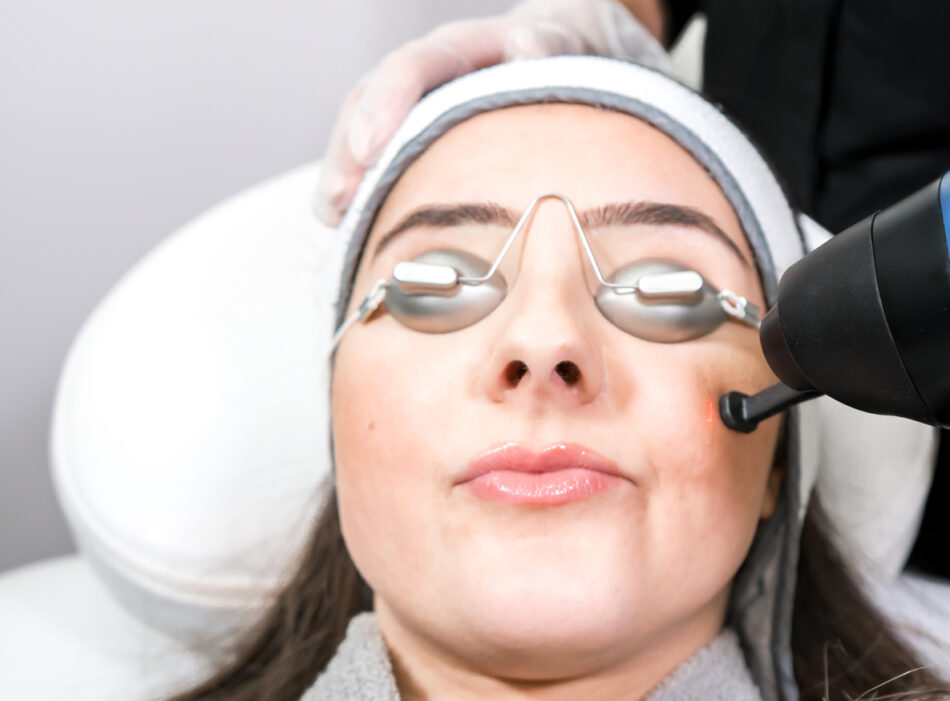
Fractional CO2 laser treatment is one of the most advanced skin rejuvenation procedures used to improve skin tone, texture, and elasticity. It works by creating microscopic columns of heat in the skin, which stimulates collagen production and promotes new cell growth. Over time, this helps the skin look smoother, firmer, and more youthful. Many people choose this treatment to address fine lines, wrinkles, scars, and uneven pigmentation. It’s popular because it targets deep layers of the skin without removing the entire surface, allowing for visible renewal with precision.
What Makes Microneedling a Popular Option
Microneedling, also known as collagen induction therapy, is another highly regarded skin-enhancing treatment. It uses a device with fine needles to create tiny punctures in the skin’s surface. These controlled micro-injuries encourage the body’s natural healing process, leading to increased collagen and elastin production. Microneedling is appreciated for its gentle approach, versatility, and compatibility with all skin types. It helps minimize large pores, improve skin firmness, and enhance the overall complexion.
Comparing the Two Treatments: Techniques and Outcomes
Both Fractional CO2 laser treatment and microneedling share a common goal—to rejuvenate the skin and stimulate collagen. However, their methods and intensity differ. Fractional CO2 Laser Treatment Cost uses light energy to vaporize damaged skin cells and promote deep renewal, while microneedling focuses on creating micro-channels to trigger the skin’s natural repair mechanism. The laser approach penetrates deeper, which may offer more significant improvement for advanced concerns, while microneedling tends to be more suitable for mild to moderate texture issues.
Duration and Recovery Differences
In general, the duration of each procedure varies based on the targeted area and individual needs. Fractional CO2 laser treatment sessions usually take longer, as they involve precise laser calibration and deeper penetration into the skin’s layers. Microneedling sessions are typically shorter, as the technique is more surface-oriented. The recovery experience also differs—laser treatments require more time for the skin to renew due to their deeper action, whereas microneedling tends to allow a quicker return to daily routines.
Suitability for Different Skin Concerns
Fractional CO2 laser treatment is often preferred for addressing:
- Fine lines and deeper wrinkles
- Acne or surgical scars
- Uneven pigmentation
- Sun-damaged skin
Microneedling, on the other hand, is often chosen for: - Mild texture irregularities
- Enlarged pores
- Dull complexion
- Early signs of aging
The choice between the two largely depends on the individual’s skin condition and personal preferences. Those looking for a more dramatic transformation may lean toward the laser option, while those seeking subtle enhancement might prefer microneedling.
Long-Term Skin Benefits of Both Treatments
Both treatments can offer remarkable long-term results when performed correctly and maintained with proper skin care. Fractional CO2 laser helps to renew the skin at a deeper structural level, resulting in smoother texture and tighter appearance over time. Microneedling promotes ongoing collagen synthesis that gradually refines the skin’s tone and resilience. The benefits of both tend to improve over weeks and months, as collagen continues to rebuild and strengthen the skin’s foundation.
Treatment Experience and Comfort Levels
During Fractional CO2 laser treatment, individuals may feel warmth or a prickling sensation as the laser works across the skin. Cooling mechanisms are often used to maintain comfort throughout the process. Microneedling, on the other hand, typically feels like light pressure or vibration against the skin. Both treatments are designed to be well-tolerated, and most people describe them as manageable with minimal discomfort. The sensation and intensity depend on the device settings and personal tolerance.
How the Results Compare Over Time
Fractional CO2 laser treatment tends to show faster and more noticeable improvements due to its deep-reaching effect. The skin often appears smoother and firmer within a few weeks, continuing to improve as new collagen forms. Microneedling results, while more gradual, are equally rewarding for those seeking a natural-looking enhancement. Over time, repeated microneedling sessions can provide cumulative results, leading to refined texture and youthful radiance. Both treatments require patience to allow collagen remodeling to take full effect.
Which Treatment Offers Better Value
When considering overall value, both procedures have unique advantages depending on personal expectations. Fractional CO2 laser offers transformative results with fewer sessions, making it ideal for those who prefer noticeable change in a shorter timeframe. Microneedling, while often requiring more sessions, delivers subtle and progressive improvement with minimal downtime. The perceived value often lies in the desired intensity of results, the level of comfort preferred, and the individual’s long-term skin goals.
Factors to Consider Before Choosing a Procedure
Choosing between Fractional CO2 laser and microneedling involves evaluating multiple aspects:
- Desired outcome and skin goals
- Tolerance for downtime
- Skin sensitivity
- Depth of concerns such as scars or wrinkles
- Frequency of maintenance sessions
Understanding these factors helps individuals make an informed decision that aligns with their lifestyle and comfort preferences. Consulting a skincare professional can further guide the choice based on detailed skin assessment and treatment objectives.
FAQs
How often can these treatments be done?
Fractional CO2 laser treatments are typically spaced months apart to allow sufficient time for the skin to regenerate fully. Microneedling, being gentler, can be done more frequently, depending on the skin’s healing cycle and desired results.
Can these treatments be combined for enhanced results?
Yes, some individuals combine both treatments to achieve comprehensive rejuvenation. Microneedling can enhance collagen production, while Fractional CO2 laser targets deeper layers for texture correction. When used strategically, they can complement each other beautifully for overall skin improvement.
Who is a good candidate for each treatment?
Fractional CO2 laser is well-suited for those with significant aging signs or deeper scars. Microneedling is an excellent option for individuals seeking subtle enhancement, improved texture, and brighter skin tone without a strong intervention. Both treatments can be tailored for most skin types after professional assessment.
How long do the effects last?
Results from both treatments can last for many months, depending on individual skin characteristics and maintenance habits. Consistent skincare and healthy lifestyle choices contribute significantly to preserving the outcomes.
Final Thoughts
Fractional CO2 Laser Treatment Cost in Dubai and microneedling both stand out as effective, science-backed methods for achieving smoother, firmer, and more radiant skin. The laser technique delivers deeper rejuvenation, ideal for those wanting noticeable transformation, while microneedling offers gradual enhancement with minimal disruption. The choice ultimately depends on personal preference, time commitment, and comfort with the procedure. When selected thoughtfully, either option can lead to remarkable improvements in skin quality and confidence, reflecting a refreshed and revitalized appearance that continues to evolve beautifully over time.


