WhatsApp Us Now
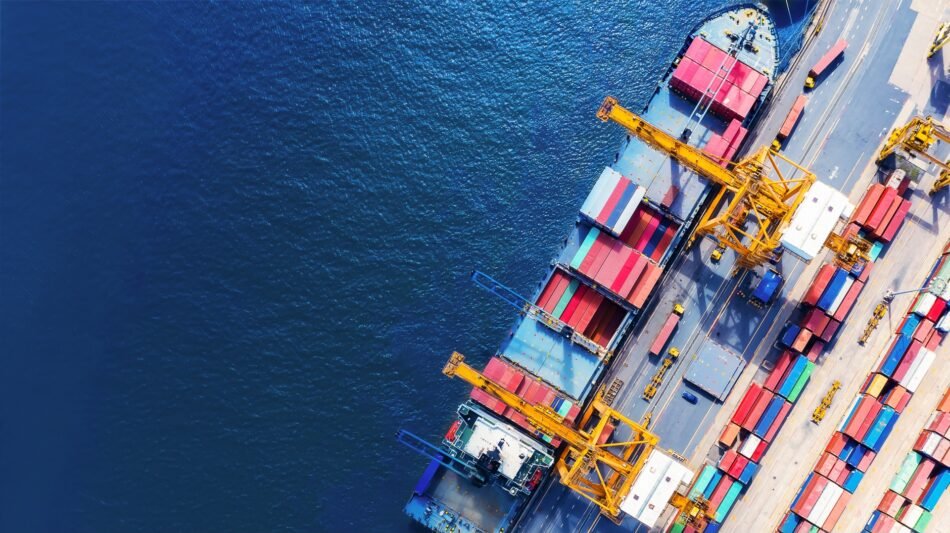
Explore the future of logistics services in Dubai, including digitization, sustainability, e-commerce delivery, and cold chain logistics, driving global trade and growth.
Dubai’s logistics sector is poised for significant growth as the city solidifies its position as a global trade and logistics hub. As the demand for efficient supply chain solutions increases, logistics services in Dubai are evolving to meet the needs of businesses and consumers alike. With cutting-edge technology, world-class infrastructure, and favorable trade policies, Dubai is an ideal location for companies looking to streamline their supply chain operations. In this article, we delve into the future of logistics services in Dubai, exploring key trends, growth prospects, and the evolving landscape of logistics solutions.
Dubai’s Strategic Importance for Global Trade
Strategically located at the crossroads of Europe, Asia, and Africa, Dubai offers businesses access to global markets. The city’s trade-driven economy and advanced logistics infrastructure have made it a key gateway for goods moving between the East and the West. This favorable geographic location, combined with Dubai’s exceptional logistics services, creates a competitive advantage for businesses looking to expand their operations regionally and globally.
Dubai’s growth as a trade and logistics center is underpinned by key factors such as:
- Proximity to Major Markets: Dubai is within a few hours’ flight from over 2.2 billion consumers, making it a critical hub for international trade.
- Advanced Ports and Airports: Dubai boasts the Jebel Ali Port (the largest man-made harbor in the world) and Dubai International Airport (DXB), both of which are among the busiest and most efficient in the world.
- Free Trade Zones: Dubai’s numerous free zones, such as Dubai Logistics City and Dubai South, offer tax exemptions, customs privileges, and simplified regulations, attracting global logistics companies and businesses.
Dubai’s logistics services not only support regional trade but also connect businesses to a broader network of international markets.
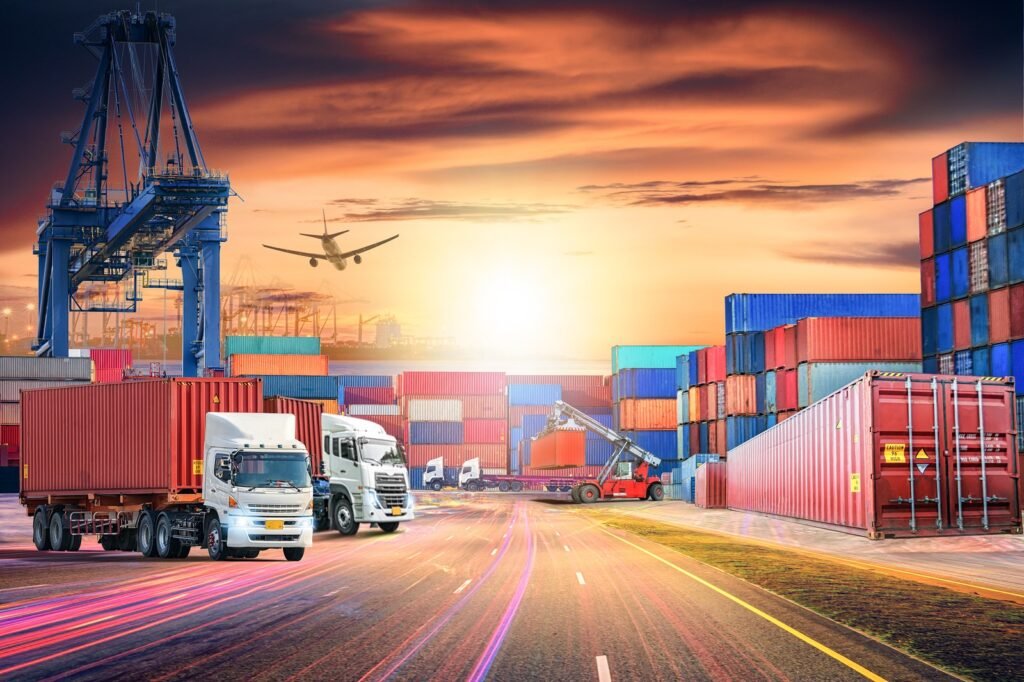
Key Trends Shaping the Future of Logistics Services in Dubai
Several key trends are expected to shape the future of logistics services in Dubai, driving innovation, efficiency, and growth. These trends reflect the need for more sustainable, tech-driven, and customer-centric logistics solutions.
1. Digitization and Automation
The logistics industry is undergoing a digital transformation, with technology playing an increasingly important role in improving efficiency, reducing costs, and enhancing customer experience. Some key technological advancements in Dubai’s logistics sector include:
- Automation in Warehouses: Automated systems for inventory management, order fulfillment, and packaging are becoming increasingly popular in Dubai. These systems improve accuracy, reduce human error, and speed up processing times.
- AI and Data Analytics: Artificial intelligence (AI) and data analytics are being used to forecast demand, optimize routes, and monitor supply chains in real time. This enables businesses to make data-driven decisions and improve operational efficiency.
- Blockchain: Blockchain technology is being adopted in logistics to enhance transparency, traceability, and security in the supply chain. By providing a secure, immutable ledger for transactions, blockchain reduces fraud, delays, and the risk of errors.
The integration of advanced technologies will continue to redefine how logistics services are delivered, making them more efficient, reliable, and transparent.
2. Sustainability and Green Logistics
Sustainability is becoming a key focus in logistics, with businesses and logistics providers in Dubai aiming to reduce their carbon footprint. Green logistics refers to the practice of minimizing environmental impact throughout the logistics process, from transportation to packaging and warehouse management. Some initiatives include:
- Electric and Hybrid Vehicles: Dubai’s logistics companies are adopting electric and hybrid trucks to reduce emissions, aligning with the city’s broader goal to become more environmentally sustainable.
- Sustainable Packaging: Businesses are increasingly using recyclable, biodegradable, or minimal packaging materials to reduce waste and support eco-friendly practices.
- Energy-efficient Warehouses: New warehouses in Dubai are being designed with energy-efficient technologies such as solar panels, LED lighting, and smart climate control systems to reduce energy consumption.
As the demand for environmentally responsible logistics grows, businesses in Dubai will continue to invest in sustainable logistics practices to minimize their environmental impact.
3. E-commerce and Last-Mile Delivery Innovation
The explosive growth of e-commerce in Dubai and the surrounding region has created a surge in demand for efficient last-mile delivery solutions. Last-mile delivery refers to the final leg of the delivery journey, where products are transported from local hubs or warehouses to customers’ doorsteps. In response to this demand, logistics providers in Dubai are innovating to offer faster, more efficient last-mile services, including:
- Same-Day and Next-Day Delivery: Logistics providers are adopting faster delivery models to meet consumer expectations for rapid shipping. Same-day and next-day delivery services have become a standard offering in Dubai’s thriving e-commerce market.
- Drones and Autonomous Vehicles: Drone deliveries and autonomous vehicles are being explored as innovative solutions for last-mile delivery. These technologies have the potential to revolutionize the logistics industry by speeding up deliveries and reducing costs.
- Crowdsourced Delivery Platforms: Some logistics companies are leveraging crowdsourced delivery platforms to expand their delivery network and reduce delivery times. These platforms connect businesses with freelance drivers who can complete deliveries on demand.
As consumer expectations for faster and more convenient deliveries continue to rise, last-mile delivery innovations will play a crucial role in shaping Dubai’s logistics future.
4. Cold Chain Logistics
The demand for temperature-controlled logistics, known as cold chain logistics, is expected to grow in Dubai due to the increasing need for transporting perishable goods, pharmaceuticals, and sensitive products. Cold chain logistics involves maintaining a specific temperature range throughout the transportation and storage process to ensure the quality and safety of products. In Dubai, cold chain logistics are crucial for:
- Food and Beverage: With Dubai’s strategic location as a regional food hub, cold chain logistics are essential for importing and exporting perishable goods, ensuring freshness and quality.
- Pharmaceuticals: The healthcare sector is increasingly relying on cold chain logistics to transport vaccines, biologics, and other temperature-sensitive medications.
- Floral and Horticultural Products: Dubai’s role as a major floral trade hub requires specialized cold chain logistics for transporting flowers and plants without compromising quality.
As Dubai continues to attract businesses in the food and pharmaceutical sectors, the need for efficient cold chain logistics will continue to rise, driving innovation and investment in temperature-controlled solutions.
The Growing Role of Logistics Providers in Dubai
Logistics providers in Dubai are playing a central role in ensuring the smooth flow of goods across the globe. These providers offer a comprehensive range of services, including:
- Freight Forwarding: From air, sea, and road transportation to multimodal services, logistics providers in Dubai offer flexible and efficient freight forwarding options to meet business needs.
- Warehousing and Distribution: With state-of-the-art facilities, logistics providers offer a wide range of warehousing services, including inventory management, order fulfillment, and cold storage solutions.
- Supply Chain Optimization: Logistics providers help businesses optimize their entire supply chain, from sourcing raw materials to delivering finished products, ensuring greater operational efficiency and cost savings.
- Customs Brokerage: Logistics companies in Dubai offer customs clearance services to ensure compliance with import/export regulations, facilitating the smooth movement of goods across borders.
As global trade continues to expand, the role of logistics providers in Dubai will become increasingly important. These companies will continue to drive innovation and efficiency in the logistics sector, offering tailored solutions that meet the diverse needs of businesses worldwide.
Conclusion
Dubai’s logistics services are at the forefront of global trade, and the city’s logistics sector is expected to continue growing in the coming years. With advanced infrastructure, cutting-edge technologies, and a focus on sustainability, Dubai is well-positioned to remain a leading logistics hub in the Middle East and beyond. The trends outlined in this article — digitization, sustainability, last-mile delivery, and cold chain logistics — will shape the future of logistics services in Dubai, ensuring that businesses can meet the demands of a rapidly evolving global market.
As the logistics industry in Dubai continues to innovate and evolve, businesses looking to expand their operations will benefit from the city’s robust logistics ecosystem, enhancing efficiency, reducing costs, and improving overall supply chain performance.