 WhatsApp Us Now
When it comes to keeping your home or business running smoothly, few things matter as much as a properly functioning electrical system. Electrical work in Maryland is a specialized field that requires licensed expertise, strict adherence to state and local codes, and a deep understanding of the unique demands placed on homes and commercial properties throughout the region. Whether you’re dealing with an older rowhome in Baltimore, a growing business in Rockville, or a new construction project in Annapolis, understanding what quality electrical work in Maryland looks like can help you make smarter decisions and avoid costly, dangerous mistakes.
At Platinum Service, we believe an informed customer is a safer customer. This guide walks through everything you need to know about electrical work in Maryland — from why it matters, to what a professional electrical service should include, to how to choose the right team for your project.
What Is Electrical Work in Maryland and Why Does It Matter?
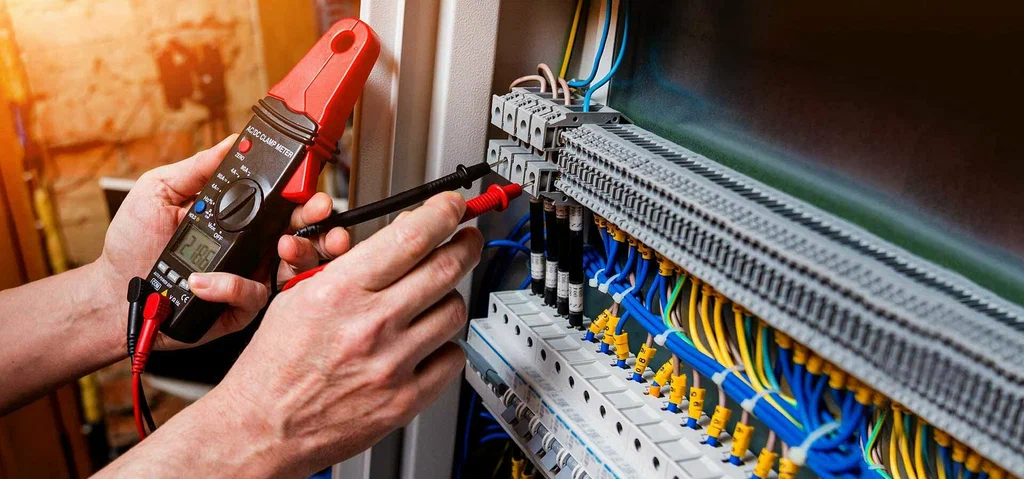
Electrical work in Maryland encompasses everything from routine repairs and panel upgrades to full-scale rewiring, new construction wiring, and emergency troubleshooting. Maryland’s climate, housing stock, and building codes create a set of conditions that make electrical work here distinct from other regions.
Many Maryland homes, particularly in older neighborhoods across Baltimore City, Annapolis, and parts of Montgomery County, still have electrical systems that were installed decades ago. These systems were never designed to handle the demands of modern life — multiple HVAC units, home theaters, electric vehicle chargers, and dozens of smart devices all drawing power simultaneously. As a result, outdated wiring, undersized panels, and worn-out components are common issues that require professional attention.
For businesses, the stakes are even higher. Commercial electrical work in Maryland must meet stringent safety codes to protect employees, customers, and equipment. A single electrical failure can shut down operations, damage inventory, or create serious liability issues. This is why electrical work in Maryland isn’t just a maintenance task — it’s an investment in safety, efficiency, and long-term property value.
Understanding Electrical Service: The Backbone of Every Property
Electrical service refers to the point where power from the utility company enters your home or building and is distributed throughout the structure. This includes the service entrance, the meter, the main panel, and all the circuits that branch out to power outlets, lighting, and appliances.
A well-designed electrical service is the foundation of a safe and functional property. Here’s why it deserves close attention:
1. Capacity Matches Modern Demand
Older homes were often built with 60-amp or 100-amp electrical service, which was sufficient decades ago but often falls short of today’s power needs. Many Maryland homeowners are now upgrading to 200-amp service to accommodate central air conditioning, electric vehicle charging stations, home offices, and expanding smart home technology. An electrician can assess your current load and recommend an upgrade if your system is at risk of being overwhelmed.
2. Safety Is Non-Negotiable
Faulty electrical service is one of the leading causes of residential and commercial fires. Warning signs include flickering lights, warm outlets, frequently tripped breakers, and a burning smell near the panel. Any of these symptoms should prompt an immediate call to a licensed electrician.
3. Code Compliance Protects Your Investment
Maryland follows the National Electrical Code (NEC) with state and local amendments enforced by individual counties and municipalities. Permits and inspections are typically required for panel upgrades, service changes, and significant rewiring projects. Working with a licensed provider ensures your project meets these requirements, which is especially important when selling a property or filing an insurance claim.
Key Strategies for Reliable Electrical Service in Maryland
Delivering dependable electrical service requires more than just technical skill — it requires a strategic approach. Here are the core strategies that separate excellent electrical work from mediocre results.
Conduct a Thorough Electrical Assessment First
Before any work begins, a qualified electrician should perform a comprehensive assessment of the property. This includes inspecting the main panel, checking wire gauge and insulation condition, testing grounding and bonding, and identifying any code violations from previous work. Skipping this step often leads to incomplete fixes that leave underlying problems unresolved.
Prioritize Panel Upgrades When Needed
An undersized or outdated panel is one of the most common bottlenecks in a home’s electrical capacity. Signs that a panel upgrade may be necessary include:
- Frequent breaker trips during normal use
- A panel that still uses fuses instead of breakers
- Visible rust, scorch marks, or corrosion inside the panel
- Plans to add major appliances, an EV charger, or a home addition
Upgrading a panel isn’t just about avoiding inconvenience — it’s about eliminating fire hazards and ensuring the system can safely handle current and future loads.
Use Quality Materials and Proper Techniques
Cutting corners with low-quality wiring, connectors, or breakers might save money upfront but creates long-term risk. Reputable electrical contractors use materials that meet or exceed code requirements and follow best practices for connections, grounding, and circuit protection. This attention to detail reduces the likelihood of future failures and callbacks.
Plan for Future Growth
Smart electrical planning anticipates future needs rather than just addressing today’s problems. For homeowners, this might mean installing additional circuits for a future home office or EV charger. For businesses, it could mean designing a system with room to expand as equipment needs grow. Thinking ahead during installation is far more cost-effective than retrofitting later.
Schedule Regular Inspections and Maintenance
Electrical systems degrade over time due to wear, moisture exposure, rodent damage, and simple aging of components. Routine inspections — ideally every few years for homes and annually for businesses — catch small issues before they become expensive emergencies. This proactive approach is especially important in Maryland, where humidity and seasonal temperature swings can accelerate wear on electrical components.
Benefits of Professional Electrical Work
Choosing a licensed, experienced provider for electrical Services elivers benefits that go well beyond simply “getting the lights to turn on.”
Enhanced Safety: Professional electricians follow strict safety protocols, reducing the risk of shock, fire, and equipment damage.
Long-Term Cost Savings: Correctly sized wiring and properly installed components reduce energy waste and prevent the kind of recurring failures that lead to expensive repeat repairs.
Increased Property Value: Updated, code-compliant electrical systems are a strong selling point for buyers and a requirement for many home inspections and insurance policies.
Compliance and Peace of Mind: Permitted, inspected work protects you legally and financially, particularly in the event of a future fire, sale, or insurance claim.
Improved Efficiency: Modern electrical systems, including updated panels and efficient wiring, can better support energy-efficient appliances and smart home technology, potentially lowering utility bills.
Practical Tips for Homeowners and Business Owners
If you’re planning electrical work in Maryland, keep these practical tips in mind:
- Never attempt major electrical repairs yourself. DIY electrical work is one of the leading causes of residential fires and often violates local permitting requirements.
- Ask for licensing and insurance verification. Maryland requires electricians to hold a state or local master electrician license depending on jurisdiction. Always confirm credentials before hiring.
- Get a written estimate before work begins. A detailed estimate protects you from unexpected costs and clarifies the scope of work.
- Understand permit requirements. Many electrical projects, including panel upgrades and new circuits, require permits and inspections. A reputable contractor will handle this process for you.
- Don’t ignore warning signs. Flickering lights, buzzing sounds, warm switch plates, or a persistent burning smell are signs that require immediate professional attention.
- Consider energy efficiency upgrades. LED lighting retrofits, smart thermostats, and updated wiring can reduce energy consumption and lower monthly bills.
Why Choose Platinum Service for Electrical Work in Maryland
At Platinum Service, our team understands the specific challenges that come with Maryland’s diverse mix of historic homes, modern developments, and commercial properties. We combine technical expertise with a genuine commitment to customer safety and satisfaction. Every project — from a single outlet repair to a full electrical service upgrade — is handled with the same level of care, precision, and code compliance.
Our approach centers on transparency, thorough assessments, and long-term solutions rather than quick fixes. We believe that quality electrical work in Maryland should leave customers with a system they can trust for years to come, not just a temporary patch.
Conclusion
Electrical work in Maryland plays a critical role in the safety, functionality, and value of every home and business. From understanding the basics of electrical service to recognizing the signs that a panel upgrade or rewiring project is needed, being informed helps property owners make confident decisions. Prioritizing licensed professionals, code compliance, quality materials, and proactive maintenance leads to safer properties and fewer costly surprises down the road.
Whether you’re addressing a nagging electrical issue, planning a renovation, or simply want peace of mind about your property’s safety, Platinum Service is ready to help. Reach out today to schedule an assessment and experience electrical work in Maryland done right.
FAQs
How do I know if my home needs an electrical panel upgrade?
Common signs include frequent breaker trips, a fuse-based panel, visible corrosion or scorch marks, and plans to add high-demand appliances like an EV charger or central air system. A licensed electrician can evaluate your panel’s capacity and recommend next steps.
Is a permit required for electrical work in Maryland?
In most Maryland jurisdictions, permits are required for panel upgrades, new circuits, service changes, and significant rewiring. Requirements vary by county and municipality, so it’s best to work with a contractor familiar with local codes.
How often should I have my electrical system inspected?
For most homes, an inspection every three to five years is a good practice, or sooner if the property is older or shows warning signs. Businesses should consider annual inspections due to higher electrical demands and liability concerns.
What’s the difference between residential and commercial electrical service?
Commercial electrical service typically involves higher capacity systems, three-phase power in many cases, and more complex code requirements related to occupancy and safety. Residential service is generally single-phase and sized for household appliances and lighting.
Can I do minor electrical repairs myself?
Simple tasks like replacing a light fixture with the power off may be manageable for some homeowners, but anything involving wiring, panels, or circuits should be left to a licensed electrician to ensure safety and code compliance.
How much does electrical work in Maryland typically cost?
Costs vary widely depending on the scope of the project, from minor repairs to full panel upgrades or rewiring. Getting a detailed, written estimate from a licensed provider is the best way to understand pricing for your specific situation.
What should I look for when choosing an electrical service provider?
Look for proper licensing, insurance, positive customer reviews, transparent pricing, and a willingness to explain the scope of work clearly. Experience with your property type — whether residential or commercial — is also important.