 WhatsApp Us Now
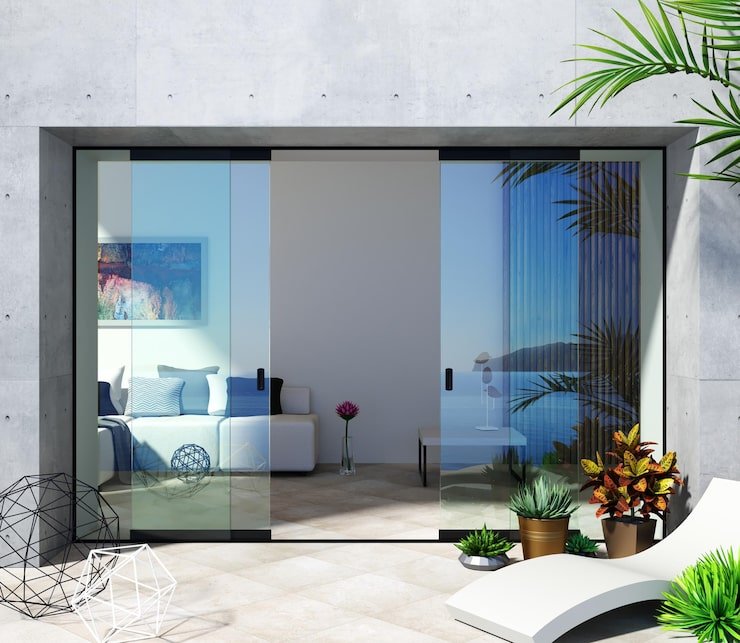
Which of two top automatic door systems is best for a building depends on building type, traffic flow, regulatory issues and long-term servicing demands. Both systems provide sensor-driven sliding door technology for commercial and public areas. The main distinctions are reliability of driving mechanism, energy performance, integration with access control and availability of local technical assistance in Singapore.
If you are a property owner, architect, or contractor evaluating options for a new or retrofit installation, understanding these differences can save significant cost and installation time. The automatic sliding door dorma comparison with GEZE reveals two high-performing systems with distinct strengths depending on your project scope.
What Is the Difference Between Dorma and GEZE Automatic Sliding Doors?
Dorma (currently doing business as the united DORMAKABA after its 2015 merger with Kaba Group) and GEZE are both German-engineered automatic door manufacturers with international installation footprints. Both names are being employed in Singapore in commercial towers, hospitals, retail malls and public infrastructure.
The core difference is in drive system architecture and product ecosystem. GEZE systems, particularly the SLIMDRIVE SL series, are designed with a compact flat drive profile that suits narrow ceiling soffits -a common constraint in Singapore’s heritage shophouses and older commercial builds. Dormakaba systems are generally favoured in high-traffic entry environments where raw cycle durability matters most.
Automatic Sliding Door Dorma vs GEZE: Side-by-Side Comparison
| Feature | Dormakaba (Dorma) | GEZE |
|---|---|---|
| Drive System | Belt or direct drive, robust for heavy-duty use | Toothed belt drive with low-profile housing |
| Installation Profile | Standard header height required | Ultra-slim profile (as low as 70mm) for tight spaces |
| Max Door Weight | Up to 300kg per leaf (heavy-duty variants) | Up to 200kg per leaf (SLIMDRIVE SL) |
| Energy Efficiency | Energy-saving mode with standby function | Eco mode with dynamic opening width adjustment |
| Access Control Integration | Native integration with dormakaba access platforms | Compatible with third-party access systems |
| Noise Level | Low, suitable for office environments | Exceptionally quiet, suited for healthcare settings |
| Safety Sensors | Radar and infrared options | Integrated safety sensor with obstacle detection |
| Singapore Service Support | Available through local authorised distributors | Available through specialist installers like Multiwall |
Which System Suits Singapore’s Building Types?
Commercial Offices and Mixed-Use Towers
High-rise commercial buildings in Singapore’s CBD typically require automatic sliding doors that handle continuous foot traffic during peak hours. Both brands perform reliably here, but dormakaba’s heavier drive variants are well-suited for buildings with double-leaf configurations handling thousands of cycles daily.
GEZE’s SLIMDRIVE range appeals to projects where the glazed facade design demands minimal visible hardware. Architects working on Grade A office refurbishments often specify GEZE for its clean aesthetic integration with structural glazing.
Healthcare Facilities
Singapore hospitals and clinics have strict hygiene and noise control requirements. GEZE automatic sliding doors are widely used in healthcare settings because of their whisper-quiet operation and seamless surface design that reduces dirt accumulation. The system’s obstacle detection and gentle reversing function also aligns with patient safety protocols required under the Ministry of Health’s facility standards.
Retail and Hospitality Spaces
Both systems are deployed across Singapore’s shopping centres. The auto sliding door choice here often depends on the design brief. GEZE suits luxury retail where silent operation and clean lines matter. Dormakaba suits anchor tenant entrances and food court zones with high pedestrian throughput and occasional trolley or cart traffic.
Public Infrastructure and Transport Hubs
MRT stations, bus interchanges, and airport terminals in Singapore demand automatic door systems certified to international safety standards. Both dormakaba and GEZE carry CE marking and comply with EN 16005, the European safety standard for power-operated pedestrian doors. Local installations must also meet the Building and Construction Authority (BCA) accessibility code, which requires automatic door systems in new and retrofitted public buildings to support barrier-free access.
Key Buying Criteria for Singapore Property Owners and Contractors
- Traffic Volume: Estimate daily door cycles before specifying. High-traffic sites benefit from heavier-duty drives.
- Ceiling Clearance: Older Singapore buildings with low soffits are better served by slim-profile systems like GEZE SLIMDRIVE.
- Access Control Needs: If your building uses a proprietary access platform, verify native compatibility before committing to a drive brand.
- BCA Compliance: Confirm the system meets Singapore’s Code on Accessibility in the Built Environment for public-facing entrances.
- Maintenance Contract: Factor in local service availability. Downtime on an entrance door affects occupant experience and building operations.
- Energy Performance: Buildings targeting the BCA Green Mark certification benefit from energy-saving door modes that reduce HVAC load from frequent opening cycles.
GEZE Automatic Sliding Door: What Makes It Stand Out?
GEZE has built a strong reputation in Singapore’s automatic sliding door market for three specific reasons: installation flexibility, minimal maintenance requirements, and proven performance in humidity-intensive environments. Singapore’s year-round humidity and frequent temperature swings between air-conditioned interiors and outdoor ambient heat put mechanical components under consistent thermal stress. GEZE’s drive system is engineered to handle this cycle without increased wear.
The SLIMDRIVE SL series also supports partial opening — an energy-saving feature that adjusts the opening width based on the size of the person or object detected. In a country where air-conditioning costs form a significant portion of commercial building OPEX, this translates to measurable energy savings over time.
Dorma Sliding Door: Where It Leads
The Dorma sliding door — now under the dormakaba umbrella — continues to be a trusted specification in projects that prioritise maximum door leaf weight capacity, deep integration with electronic access control, and proven field reliability across tens of thousands of international installations.
For contractors managing large commercial fit-outs or government-linked building projects, dormakaba’s documentation, certification trail, and service network provide procurement confidence. The system’s compatibility with dormakaba’s own security ecosystem (including card readers, intercoms, and door controllers) makes it a strong choice for integrated smart building projects.
Which System Should You Specify?
Choose dormakaba if your project involves:
- Heavy door panels exceeding 200kg per leaf
- Full integration with dormakaba access control hardware
- High-cycle industrial or logistics environments
Choose GEZE if your project involves:
- Tight header clearance or slim architectural profiles
- Healthcare, hospitality, or luxury retail settings
- Buildings targeting BCA Green Mark with energy efficiency as a priority
- Quiet operation as a functional or brand requirement
For most commercial and mixed-use buildings in Singapore, GEZE delivers the right balance of aesthetics, performance, and compliance-ready specification. Multiwall offers GEZE automatic sliding door systems with full installation, commissioning, and after-sales support across Singapore — making it a reliable single-point solution for architects, contractors, and property teams who need the job done right the first time.


