 WhatsApp Us Now
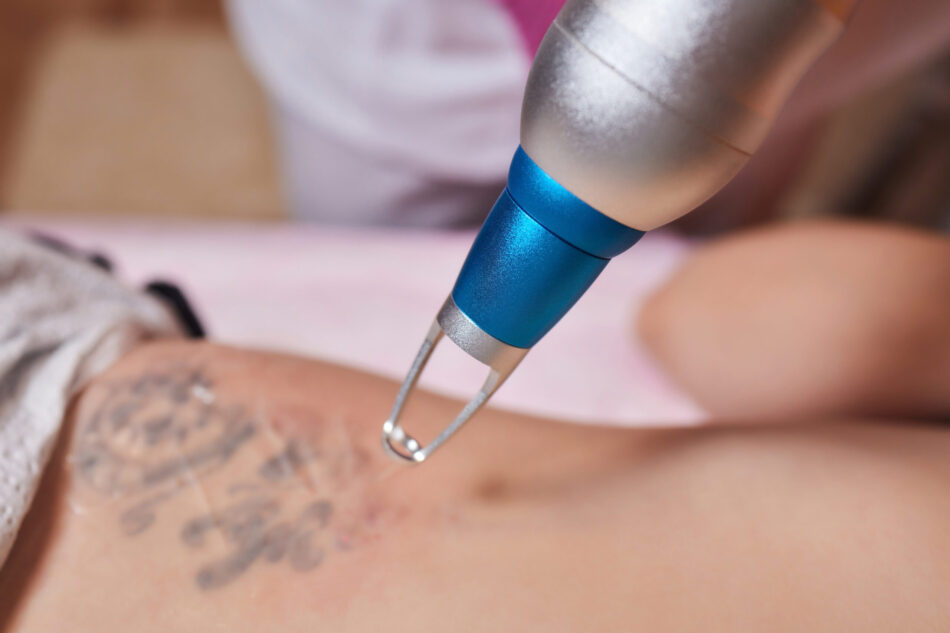
When considering tattoo removal, many individuals wonder about the discomfort involved in the process, especially in comparison to the pain experienced during getting a tattoo. Understanding the sensations associated with laser tattoo removal is essential for making an informed decision. The question often arises: Does Tattoo Removal Abu Dhabi hurt more than getting ink? To answer this, we need to explore the nature of both procedures, their pain levels, and what to expect during each process.
Understanding the Pain Experience During Tattooing and Laser Removal
The Pain of Getting a Tattoo
Getting a tattoo involves puncturing the skin with a needle to deposit ink into the dermis layer. The sensation varies depending on the tattoo’s size, location, and individual pain tolerance. Most people describe the feeling as a scratching or stinging sensation, which can range from mild discomfort to intense pain. Certain areas, like the ribs, ankles, or elbows, tend to be more sensitive, making the tattooing process more painful in these regions.
The Pain of Laser Tattoo Removal
Laser tattoo removal employs high-intensity pulses of light to break down ink particles in the skin. This process is generally described as a series of quick, sharp pinches or a rubber band snapping against the skin. The discomfort is often localized and can be intensified depending on the tattoo’s size, ink density, and location. Many individuals report that the sensation during laser removal is less painful than getting a tattoo, but it still involves a degree of discomfort that can vary from person to person.
Comparing the Sensations: Is Laser Removal More Painful?
Pain Intensity and Duration
While both procedures involve some level of discomfort, the overall experience tends to differ. Tattooing typically causes continuous pain during the process, especially in sensitive areas. Conversely, laser removal pain is intermittent, occurring with each pulse, and tends to be less intense overall. The brief nature of the laser pulses means the discomfort is often more tolerable for most individuals, though some might find specific spots more painful than others.
Factors Influencing Pain Levels
Several factors influence pain perception in both procedures, including individual pain thresholds, tattoo size and ink colors, and the area treated. Darker inks tend to absorb laser energy more effectively, potentially reducing discomfort during removal, whereas lighter colors might require more sessions and cause more sensation. Similarly, tattoos in areas with thinner skin or closer to nerve endings may be more sensitive during removal.
Preparing for and Managing Discomfort During Laser Tattoo Removal
Pre-Treatment Strategies
To minimize discomfort, practitioners often recommend avoiding alcohol, caffeine, and certain medications that can thin the blood before treatment. Applying a topical anesthetic or cooling the skin can also help reduce sensations during the procedure. Proper preparation ensures the patient is comfortable, making the process more manageable.
During Treatment: What to Expect
During laser sessions, the practitioner may use cooling devices or ice packs to numb the skin and lessen pain. Many clinics also provide pain-relief options, depending on individual needs. The sensation is often described as similar to a rubber band snapping against the skin, with some areas more sensitive than others. The duration of each session depends on the tattoo’s size and complexity.
Post-Treatment Comfort Measures
Post-treatment, patients may experience mild swelling, redness, or sensitivity. Applying soothing creams, avoiding sun exposure, and following aftercare instructions can help manage any discomfort. Over-the-counter pain relievers may be recommended in some cases to ease residual soreness.
Comparing Long-Term Discomfort and Healing
Healing Process After Tattooing
The healing process after getting a tattoo involves the skin scabbing, peeling, and healing over several weeks. During this period, individuals might experience itching, tenderness, and minor discomfort as the skin recovers. Proper aftercare is crucial to prevent infection and ensure optimal healing.
Healing After Laser Tattoo Removal
Laser removal sessions typically involve some redness and swelling immediately afterward, which subsides within a few days. The skin may feel tender or sore, similar to a mild sunburn, during healing. The recovery period is usually shorter compared to tattooing, and discomfort diminishes quickly with proper care.
Overall Comfort and Tolerance: What Do People Say?
Many individuals find laser tattoo removal to be less painful than getting inked. The intermittent nature of the sensation and the ability to manage pain with cooling techniques make it more tolerable for most. However, pain perception is subjective, and some may experience more discomfort depending on their personal sensitivity and the specifics of their tattoo.
Conclusion: Is Laser Tattoo Removal More Painful Than Getting Ink?
In general, laser tattoo removal tends to be less painful than the initial tattooing process. While it does involve some discomfort, many patients report that the sensation is more tolerable due to its brief, pulse-like nature. Proper preparation, pain management strategies, and individual pain thresholds all play a role in the overall experience. If you’re considering Tattoo Removal or elsewhere, consulting with experienced professionals can help tailor the process to your comfort level and expectations.
FAQs About Tattoo Removal and Pain
1. Does laser tattoo removal hurt more than getting a tattoo?
Most individuals find that laser tattoo removal causes less pain than getting a tattoo because the sensation is intermittent and more manageable, though it can still be uncomfortable depending on the area and individual sensitivity.
2. How can I reduce discomfort during laser tattoo removal?
Applying topical anesthetics, using cooling devices, avoiding caffeine and alcohol before treatment, and following aftercare instructions can help minimize pain during and after the procedure.
3. Is the pain from laser removal worse in certain areas?
Yes, areas with thinner skin or closer to nerve endings, such as the ribs, ankles, or fingers, tend to be more sensitive, leading to increased discomfort during laser sessions.
4. How does the healing process compare after laser removal and tattooing?
While tattooing involves prolonged healing with scabbing and peeling over several weeks, laser removal typically results in shorter recovery times with mild redness and tenderness resolving within a few days.


