 WhatsApp Us Now

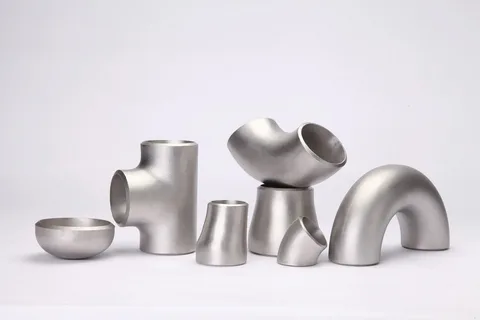
Selecting the correct component in industrial piping systems prevents leaks and structural failures. Different fittings perform specific functions like changing direction, branching, reducing pipe size or sealing the end of a pipeline. Understanding these structural variations helps improve overall piping performance. It also boosts operational efficiency and simplifies the installation process. Engineers must evaluate types of aluminum buttweld fittings carefully. Using proper industrial piping solutions prevents costly downtime in complex infrastructure projects.
What Are Aluminum Buttweld Fittings?
Aluminum buttweld fittings are solid pipe connection components with beveled ends. Installers join them to metal pipes using a direct butt welding process. This creates a continuous internal metal structure. These fittings provide better structural integrity than standard threaded or socket weld alternatives. Because they maintain a uniform internal diameter, these fittings do not restrict fluid flow or introduce weak points susceptible to localized corrosion. Consequently, they deliver a highly durable, leak-tight connection across diverse operating conditions. Common grades used include 6061 and 5083 aluminum. These specific grades carry high mechanical strength and resist harsh environmental degradation. Evaluating standard aluminum piping materials helps engineers match the fitting to exact environmental plant conditions.
Types of Aluminum Buttweld Fittings
Each fitting serves a different mechanical function within a piping system. Recognizing these specific roles helps engineers design better layouts and maintain proper fluid movement.
Aluminum Elbows
These components change the exact flow direction in a line. Standard options include 45° and 90° angles. Long radius elbows provide much lower frictional fluid resistance. Short radius elbows fit easily into tight installation spaces. They appear frequently in very complex structural piping routing layouts across various heavy plants.
Aluminum Tees
Tees split or combine internal fluid flow. Equal tees keep the branch and the main run at the exact same diameter. Reducing tees feature a much smaller branch size. Installers rely on them heavily for constructing complex branch pipelines safely in large chemical process facilities and massive power plants.
Aluminum Reducers
Reducers connect industrial pipes of entirely different sizes. Concentric reducers align the centerlines of both pipes perfectly. Eccentric reducers keep one flat side at the bottom. Concentric designs work very well for vertical lines. Eccentric types prevent dangerous air accumulation directly in horizontal pipe runs inside busy industrial factory settings.
Aluminum End Caps
End caps completely seal the open end of a pipeline. This stops all fluid flow permanently or temporarily. They block off pipe sections during routine maintenance. Industrial facilities use them frequently to cap off future expansion points safely without disrupting daily factory operations or causing sudden dangerous system pressure drops.
Aluminum Stub Ends
Stub ends operate directly alongside metal lap joint flanges. The combination allows the flange to rotate freely over the aluminum pipe. This simple mechanism speeds up physical bolt alignment. It significantly reduces plant downtime during routine scheduled maintenance and frequent pipeline system disassembly work across large demanding production facility floors.
Aluminum Cross Fittings
Cross fittings create a complete four-way intersection. One single inlet distributes fluid out to three separate outlets or vice versa. They save physical space in highly compact piping layouts. Their complex internal geometry creates high system pressure drops. Engineers strictly limit their use to low-pressure lines to avoid failure.
Aluminum Pipe Bends
Bends feature a much larger physical radius than standard elbows. They create very smooth directional line changes. This gradual sweep minimizes internal fluid friction and prevents solid material buildup. Facilities processing thick viscous fluids or slurries heavily prefer pipe bends over tight standard elbows to maintain continuous heavy production flow.
Choosing the Right Aluminum Buttweld Fitting for Your Piping System
Selecting the correct mechanical component requires evaluating multiple technical factors closely. The pipe size must match the fitting exactly for a secure weld. Engineers assess the intended flow direction and expected system pressure requirements before finalizing a structural specification. Installation physical space dictates whether short radius components are strictly necessary. Operators must account for specific chemical corrosion exposure in the immediate plant environment. The operating temperature affects the physical heat limits of the aluminum grade. Finally, the specific type of fluid being transported determines the exact material specification required. Proper selection minimizes long-term piping maintenance costs significantly.
Industrial Applications of Aluminum Buttweld Fittings
Various industrial sectors utilize these specific components for distinct operational reasons. The lightweight nature and durability of aluminum make it preferred across multiple demanding environments.
Chemical Processing
Chemical plants require materials that resist aggressive substances. Aluminum fittings withstand harsh chemical compounds without deteriorating rapidly. This material durability prevents product contamination directly during complex and continuous manufacturing cycles.
Marine Systems
Saltwater environments destroy standard carbon steel quickly. Aluminum fittings resist aggressive marine salt corrosion effectively. Shipbuilders use them extensively for fluid transport systems because they reduce overall structural vessel weight.
Water Treatment
Water facilities need completely safe piping components. Aluminum does not leach harmful metals into municipal drinking water supplies. These durable fittings handle high-volume liquid movement without ever rusting internally.
Food and Beverage Industry
Processing plants enforce extremely strict sanitation rules. Aluminum fittings offer smooth internal surfaces that prevent dangerous bacteria buildup. They withstand harsh chemical washdowns required constantly to maintain daily safety standards.
HVAC Systems
Heating and cooling setups demand excellent overall thermal conductivity. Aluminum transfers heat efficiently across the entire mechanical system. The fittings connect large duct networks while keeping suspended ceiling loads light.
Oil and Gas Support Systems
Offshore platforms use aluminum primarily for non-critical secondary support lines. The material resists harsh atmospheric offshore weather conditions. It provides safe transport for low-pressure fluids without adding structural mass.
Automotive and Transportation
Vehicle manufacturers focus heavily on improving fuel efficiency. Aluminum fittings lower overall curb vehicle weight. They handle hot coolant lines efficiently while surviving constant road vibrations and sudden temperature shifts.
Aerospace Applications
Aircraft require the highest absolute structural strength-to-weight ratio possible. Aluminum fittings connect airplane hydraulic systems securely. They endure extreme altitude pressure changes while minimizing total aircraft payload mass.
Why Choose High-Quality Aluminum Buttweld Fittings?
System structural integrity relies entirely on raw component quality. High-quality fittings guarantee precise dimensional factory accuracy for perfect pipe alignment. This exact accuracy improves actual welding field performance and creates significantly stronger structural joints. Premium components deliver consistent chemical corrosion resistance across their entire exposed surface area. Buyers must verify strict material compliance with specific ASTM and ASME manufacturing industry standards. Substandard parts always lead to rapid metal material failure. Quality fittings improve long-term system reliability directly. They reduce unexpected maintenance repair intervals and prevent dangerous workplace fluid leaks. Investing early saves massive facility capital later.
Conclusion
The various types of aluminum buttweld fittings serve distinct structural piping functions. Selecting the exact right fitting depends entirely on the physical piping layout, specific plant operating conditions and strict daily application requirements. Buyers should always source these critical pipe components from a reliable manufacturer that strictly meets all required global industrial manufacturing testing standards.


