 WhatsApp Us Now
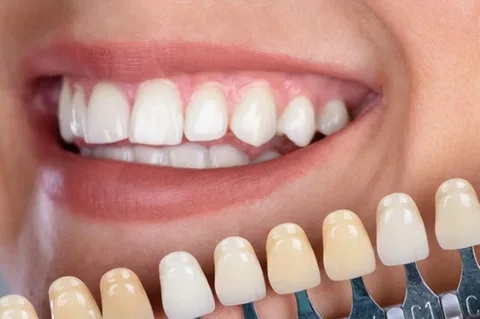
If you are considering a Dental crown in Islamabad, understanding the procedure can help you feel more confident and prepared. Dental crowns are a common and highly effective solution for damaged, weakened, or aesthetically compromised teeth. Whether you need a crown for restorative purposes or cosmetic enhancement, knowing the step-by-step process will make your visit to a dental clinic in Islamabad smooth and stress-free.
What Is a Dental Crown?
A dental crown is a custom-made cap that covers a tooth to restore its shape, size, strength, and appearance. Crowns are used to protect weakened teeth, restore broken teeth, support dental bridges, or improve the aesthetics of discolored or misshapen teeth. Modern clinics in Islamabad provide a variety of crown materials, including porcelain, zirconia, and metal-ceramic combinations, to suit different dental needs and cosmetic goals.
Step 1: Initial Consultation and Assessment
The first step in getting a dental crown is a thorough consultation. During this visit, the dentist will:
- Examine your teeth and gums to assess the need for a crown.
- Take X-rays to check the health of the tooth root and surrounding bone.
- Discuss crown material options, aesthetics, and durability.
- Evaluate your bite to ensure the crown will function comfortably.
This step is crucial as it sets the foundation for a successful treatment. Dentists in Islamabad often use digital imaging and intraoral scans to provide precise measurements and improve the accuracy of crown fabrication.
Step 2: Tooth Preparation
Once the consultation is complete and the crown type is chosen, the dentist prepares the tooth for the crown. This involves:
- Numbing the tooth and surrounding area with local anesthesia to ensure a pain-free experience.
- Removing any decay, old fillings, or damaged portions of the tooth.
- Shaping the tooth to create enough space for the crown to fit properly.
For certain crowns, such as zirconia, less tooth reduction may be required due to the material’s strength. Proper tooth preparation is essential for the crown to adhere correctly and last for years.
Step 3: Impressions and Digital Scans
After the tooth is prepared, the next step is creating an accurate model of your tooth. Clinics in Islamabad use two main methods:
- Traditional Impressions: A putty-like material is used to take molds of your teeth, which are sent to a dental laboratory.
- Digital Scans: Intraoral scanners capture a precise 3D image of your teeth. This method is faster, more comfortable, and often more accurate.
These impressions ensure that the crown fits perfectly and aligns with your bite.
Step 4: Temporary Crown Placement
While your permanent crown is being fabricated, a temporary crown is placed over the prepared tooth. Temporary crowns:
- Protect the tooth from damage or sensitivity.
- Allow you to chew and speak normally.
- Maintain the appearance of your smile.
Temporary crowns are usually made of acrylic or composite materials and are designed to be easily removed once your permanent crown is ready.
Step 5: Crown Fabrication
The permanent crown is custom-made in a dental laboratory using your impressions or digital scans. The fabrication process involves:
- Selecting the material based on your dentist’s recommendation and aesthetic requirements.
- Shaping and coloring the crown to match your natural teeth.
- Polishing the crown for a smooth and natural finish.
In some modern clinics in Islamabad, same-day crowns are an option using CAD/CAM technology. This allows for precise milling and placement of the crown in a single visit, eliminating the need for a temporary crown.
Step 6: Crown Placement
Once your permanent crown is ready, you return to the clinic for placement. The procedure includes:
- Removing the temporary crown.
- Cleaning the tooth thoroughly.
- Checking the fit, color, and bite alignment of the permanent crown.
- Cementing the crown securely in place using dental adhesive.
- Making any final adjustments for comfort and functionality.
A properly placed crown should feel natural, restoring both the appearance and function of your tooth.
Recovery and Post-Procedure Care
After the crown placement, most patients experience minimal discomfort. Some temporary sensitivity or mild soreness may occur around the gums, which usually resolves within a few days. To ensure long-lasting results:
- Maintain good oral hygiene by brushing and flossing regularly.
- Avoid chewing hard foods on the crowned tooth for the first 24 hours.
- Attend regular dental checkups to monitor crown integrity and oral health.
- Use a night guard if you grind your teeth to prevent damage to the crown.
Advantages of Getting a Dental Crown in Islamabad
- Restored Function: Crowns restore chewing and speaking ability.
- Protection: Protects weakened teeth from further damage or decay.
- Aesthetic Enhancement: Crowns improve the appearance of discolored, misshapen, or broken teeth.
- Durability: Modern crowns, especially zirconia, can last 10-15 years or longer with proper care.
- Comfort: Custom-made crowns provide a natural feel and seamless fit.
Choosing the Right Clinic
Selecting the right dental clinic is crucial for a successful crown procedure. Factors to consider include:
- Experienced and qualified dentists specializing in restorative and cosmetic dentistry.
- Use of modern technology such as digital scanners and CAD/CAM systems.
- Availability of high-quality crown materials.
- Positive patient reviews and testimonials.
- Comprehensive aftercare and follow-up support.
SKN Cosmetics in Islamabad is renowned for offering expert dental crown services, combining advanced technology with personalized care to deliver exceptional results.
Conclusion
Understanding the dental crown procedure helps you feel confident and prepared for your visit to an Islamabad clinic. From consultation and tooth preparation to crown placement and aftercare, each step is designed to restore both function and aesthetics. Choosing the right material—be it zirconia, porcelain, or a metal-ceramic combination—ensures durability and a natural look that enhances your smile.


