 WhatsApp Us Now
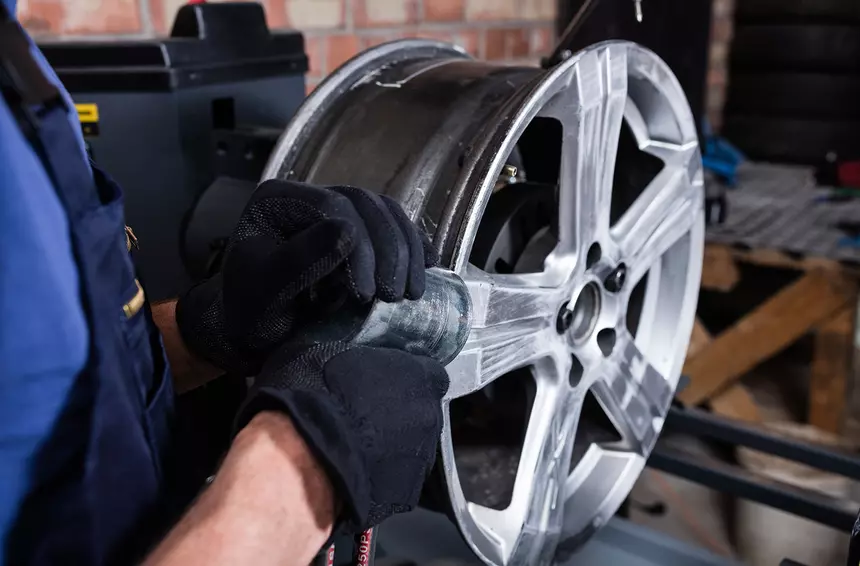
Cracked Wheel Repair Services in Warwick, RI for Damaged Wheels
A damaged wheel can create more than an appearance problem. Cracks can develop after hitting potholes, curbs, road debris, or other obstacles. In some cases, a crack may be small and difficult to notice during a quick visual inspection. Cracked Wheel Repair Services in Warwick, RI can help vehicle owners identify wheel damage and determine whether the wheel is suitable for professional repair or needs replacement.
Wheel condition is important because wheels support the tires and handle repeated road impacts. Any suspected crack should be evaluated carefully before the wheel is refinished or returned to regular driving.
Why Cracked Wheel Repair Services in Warwick, RI Matter
Cracked Wheel Repair Services in Warwick, RI can be valuable when a wheel has suffered damage from road impacts or other causes. A professional inspection can help determine the type and severity of the problem.
A cracked wheel should never be treated as a simple cosmetic issue. Depending on its location and severity, a crack can affect the wheel’s strength and ability to support the tire properly.
Professional evaluation is therefore an important first step. The technician can inspect the wheel and explain whether repair is appropriate or replacement would be the safer option.
What Causes Wheel Cracks?
Wheel cracks can develop for several reasons.
Pothole Impacts
Potholes can create a sudden and powerful impact between the tire, wheel, and road. A severe impact may bend or crack the wheel.
Curb Impacts
Hitting a curb at speed or at an unusual angle can place significant force on a wheel.
Road Debris
Large objects on the road can strike wheels and cause damage.
Previous Wheel Damage
A wheel that has already been bent or damaged may become more vulnerable to additional problems.
Corrosion
Severe corrosion can weaken certain areas of a wheel and contribute to structural concerns.
Signs of a Cracked Wheel
Some wheel cracks are easy to see, while others may be hidden.
Drivers should pay attention to changes such as:
- Repeated tire pressure loss
- Air leakage
- New vibrations
- Unusual handling
- Visible cracks
- Damage after a major pothole impact
- Tire bead problems
- Uneven wheel appearance
These symptoms do not always mean that a wheel is cracked. Tire damage, balancing problems, alignment issues, and suspension concerns can create similar signs.
Professional inspection is the best way to identify the actual cause.
Why Wheel Inspection Comes First
Before attempting any repair, the wheel should be carefully inspected.
The technician needs to determine where the crack is located and how serious it is. The wheel material and overall condition also matter.
A small cosmetic issue may require a different approach from a structural crack.
The inspection can also identify other problems such as bends, corrosion, previous repairs, or damage around the tire mounting area.
Can Every Cracked Wheel Be Repaired?
No. Not every cracked wheel is suitable for repair.
The location, size, depth, material, and overall condition of the wheel all need to be considered.
A professional should determine whether the wheel can be safely repaired. If the damage compromises the structural integrity of the wheel, replacement may be the more appropriate option.
This is why vehicle owners should avoid making a repair decision based only on the visible appearance of the crack.
The Wheel Repair Process
When a wheel is considered suitable for repair, the process can vary according to the damage.
The wheel is normally cleaned and inspected first. The damaged area is then evaluated to determine the appropriate repair method.
After repair, the wheel may require additional preparation and finishing.
The repaired wheel should also be inspected before it is returned to service.
The exact procedure depends on the wheel material and type of damage.
Aluminum and Alloy Wheel Damage
Many modern vehicles use aluminum alloy wheels because they can provide a combination of appearance, weight, and performance.
However, alloy wheels can still be damaged by potholes and impacts.
A crack in an alloy wheel requires careful evaluation. The repair method must be suitable for the specific wheel material.
Professional technicians can determine whether the wheel is a candidate for repair or whether replacement should be considered.
Why Driving With a Cracked Wheel Can Be Risky
A cracked wheel may not maintain its intended strength.
Continued driving can potentially allow damage to become worse, especially if the wheel experiences additional road impacts.
A crack can also contribute to air loss if it affects the area where the tire seals against the wheel.
For these reasons, suspected wheel damage should be inspected as soon as practical.
If the wheel has significant visible damage or the tire is losing air, driving should be avoided until the problem has been evaluated.
Cracked Wheel Repair and Tire Pressure
Tire pressure can provide an important warning sign.
If one tire repeatedly loses pressure without an obvious puncture, the wheel should also be inspected.
Damage around the wheel or tire bead area may contribute to air loss.
However, a leaking valve, puncture, or tire defect can also cause the same symptom.
A complete wheel and tire inspection can help determine the source.
The Importance of Wheel Balancing After Repair
A repaired wheel may need to be balanced before it returns to regular use.
Wheel balancing ensures the combined wheel and tire assembly has appropriate weight distribution.
If the assembly is out of balance, drivers may notice vibration at certain speeds.
Balancing is especially important when a wheel has been repaired or refinished and the tire has been removed during the process.
Refinishing a Repaired Wheel
Once a wheel has been repaired and confirmed to be suitable for use, refinishing may be considered.
The wheel can be prepared by removing old coatings, corrosion, dirt, and other contaminants.
Depending on the desired result, powder coating can provide a durable new finish.
This allows a repaired wheel to receive both functional attention and cosmetic improvement.
Why Surface Preparation Matters
A new coating should not be applied over dirt, grease, rust, or damaged old finishes.
Proper preparation creates a clean surface for the finishing process.
Methods such as abrasive blasting may be used to remove unwanted coatings and surface contamination.
After preparation, the wheel can receive the selected coating and finish.
The quality of this preparation can have a major effect on the final appearance.
Cracked Wheel Repair vs Wheel Replacement
Vehicle owners often wonder whether repairing a cracked wheel is better than buying another wheel.
The answer depends on the wheel’s condition.
Repair may be appropriate when the damage is within acceptable repair limits and the wheel remains structurally suitable.
Replacement may be necessary when damage is too extensive or located in a critical area.
A professional inspection helps determine which option is appropriate.
How Potholes Affect Wheels
Potholes are a common source of wheel damage.
The sudden impact can place significant force on both the tire and wheel.
After hitting a large pothole, drivers should check for changes in tire pressure, vibration, steering behavior, and visible wheel damage.
Even when no crack is immediately visible, an inspection may be useful if the impact was severe.
Early detection can help prevent a small problem from becoming more complicated.
Protecting Wheels From Future Damage
No maintenance routine can prevent every road impact, but drivers can reduce unnecessary wheel damage.
Slow down when approaching potholes and rough road sections.
Maintain proper tire pressure because properly inflated tires can help the tire perform as intended.
Avoid hitting curbs and road debris whenever possible.
Regularly inspect wheels for visible damage and corrosion.
These simple habits can help keep wheels in better condition.
Wheel Repair and Professional Experience
Wheel repair requires more than basic cosmetic work.
A technician needs to understand wheel construction, damage types, surface preparation, and finishing.
The repair should always begin with an inspection.
This helps ensure cosmetic refinishing does not hide an underlying structural problem.
Choosing an experienced professional can provide greater confidence that the wheel is being evaluated and treated appropriately.
When Should You Have a Wheel Inspected?
You should consider a professional inspection after:
- A major pothole impact
- A strong curb collision
- Repeated tire pressure loss
- New wheel vibration
- Visible cracks
- Visible bends
- Unexplained tire problems
- Sudden changes in handling
Prompt inspection can help determine whether the issue is related to the wheel, tire, alignment, balancing, or another component.
Frequently Asked Questions
Can a cracked wheel always be repaired?
No. Some cracks may not be suitable for repair. The location, size, material, and severity of the damage must be evaluated before deciding whether repair is appropriate.
How do I know if my wheel is cracked?
Visible cracks, repeated tire pressure loss, vibration, or damage after a major road impact can be warning signs. A professional inspection is needed to confirm the problem.
Is it safe to drive with a cracked wheel?
A cracked wheel can present a serious safety concern. If you suspect a wheel is cracked, it is best to have it inspected before continuing normal driving.
Does a repaired wheel need balancing?
It may. If the tire has been removed during repair, balancing should be considered before the wheel and tire assembly returns to regular use.
Can a repaired wheel be powder coated?
Yes, when the wheel has been properly repaired and is confirmed to be suitable for use. Surface preparation and a suitable finishing process can then be completed.
Final Thoughts
Wheel cracks should never be ignored. Even a small crack can require professional evaluation because the wheel plays an important role in supporting the tire and handling road forces.
For drivers searching for Cracked Wheel Repair Services in Warwick, RI, the first step should be a careful inspection. A professional can determine the location and severity of the damage and explain whether repair or replacement is appropriate.
If repair is suitable, additional services such as balancing and refinishing may help return the wheel to a clean and usable condition. Proper surface preparation can also help create a durable new finish after repair work is complete.
Vehicle owners should pay attention to warning signs such as repeated air loss, vibration, visible damage, and changes after hitting a pothole or curb. Acting early can make it easier to identify the problem and choose the right solution.
For professional wheel repair, restoration, and finishing solutions, Ocean State Powder Coating can help vehicle owners address suitable wheel restoration needs.


