 WhatsApp Us Now

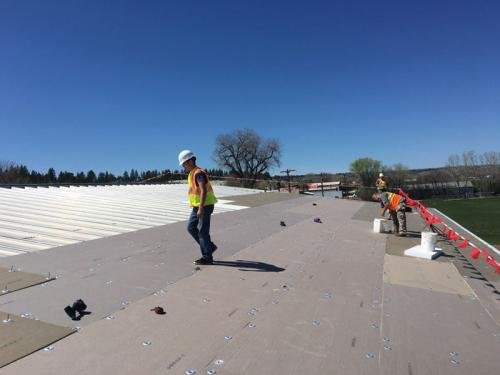
A commercial roof does more than protect a building from rain and snow. It helps maintain indoor comfort, protects equipment, supports daily business operations, and preserves the overall condition of the property. However, commercial roofing systems face constant exposure to changing weather, moisture, temperature fluctuations, and everyday environmental conditions. Without proper attention, small roofing concerns can gradually develop into expensive repairs.
For property owners and facility managers, understanding common roofing problems is an important part of building maintenance. Choosing reliable Commercial Roofing Services Battle Creek MI can help identify early warning signs, prevent unexpected disruptions, and extend the useful life of a roofing system. Professional inspections, timely maintenance, and appropriate repair methods all contribute to better roof performance.
This guide explores several common commercial roofing challenges, their possible causes, and practical solutions that can help business owners protect their properties.
Why Commercial Roof Maintenance Should Be a Priority
Commercial roofing systems often cover large areas and contain multiple components, including drainage systems, flashing, insulation, seams, and protective membranes. A problem in one section can eventually affect other parts of the structure if it remains unaddressed.
Regular maintenance allows property owners to identify developing issues before they become major concerns.
Some important benefits of maintaining a commercial roof include:
- Reduced repair expenses: Identifying minor damage early can help prevent more extensive repairs.
- Better building protection: A properly maintained roof helps keep rainwater and outside moisture away from interior spaces.
- Improved energy performance: Healthy insulation and roofing materials can support more consistent indoor temperatures.
- Longer roof lifespan: Routine inspections and appropriate maintenance help preserve roofing components.
- Fewer business interruptions: Addressing roofing concerns promptly can reduce the possibility of unexpected operational problems.
A consistent maintenance schedule also makes it easier to understand the roof’s condition and plan future improvements.
Common Commercial Roofing Problems and Their Solutions
Commercial roofs experience different types of damage depending on their materials, installation quality, age, and exposure to environmental conditions. Understanding these problems can help building owners decide when professional attention is necessary.
1. Roof Leaks and Water Intrusion
Water leaks are among the most common concerns affecting commercial buildings. Even a small opening in the roofing membrane can allow moisture to enter the structure. Over time, water may damage ceilings, walls, insulation, electrical components, and stored business equipment.
Leaks do not always appear directly beneath the damaged section of a roof. Water can travel along structural components before becoming visible inside the building.
Common warning signs include:
- Water stains on interior ceilings.
- Damp insulation or unusual indoor moisture.
- Peeling paint and damaged ceiling materials.
- Musty odors in certain areas.
- Water collecting around roof penetrations.
Practical solution: A professional roofing inspection can help locate the actual source of moisture. Depending on the condition of the roofing system, repairs may involve sealing damaged seams, replacing compromised materials, or correcting flashing issues. Finding the source rather than simply covering visible stains is essential for a lasting solution.
2. Ponding Water on Flat Roofs
Flat and low slope commercial roofs are particularly vulnerable to standing water. Although these systems are designed with drainage considerations, blocked drains, inadequate slopes, or structural changes can prevent water from flowing away properly.
When water remains on the roof for extended periods, it can increase stress on roofing materials and contribute to premature deterioration.
How to address ponding water:
- Inspect roof drains and remove accumulated debris.
- Check whether drainage outlets are functioning correctly.
- Examine the roof surface for depressions or uneven sections.
- Assess whether additional drainage improvements are necessary.
- Have a qualified roofing professional evaluate recurring water accumulation.
Improving drainage is especially important because repeatedly treating the visible water without correcting its cause may not solve the underlying problem.
3. Damaged or Deteriorating Roofing Membranes
Roofing membranes provide an important protective barrier against moisture. However, constant sunlight, temperature changes, foot traffic, and aging can gradually affect their condition.
Cracks, punctures, loose sections, and damaged seams may allow water to penetrate the roofing assembly.
These problems can develop around equipment installations, rooftop walkways, and areas that receive frequent maintenance activity.
Recommended approach: Damaged membrane sections should be evaluated to determine whether localized repairs are appropriate. If deterioration is widespread, a more comprehensive restoration or replacement assessment may be necessary. Selecting compatible repair materials is important for maintaining the performance of the existing roofing system.
4. Flashing Failures Around Roof Openings
Flashing protects vulnerable areas where the roofing system meets walls, vents, skylights, HVAC equipment, and other penetrations.
Because these locations involve multiple materials and connections, they can become weak points when flashing becomes loose, cracked, or improperly sealed.
A failure in these areas may allow moisture to enter even when the main roofing surface appears to be in good condition.
Possible warning signs include:
- Loose metal flashing.
- Cracked sealant around roof openings.
- Water stains near interior walls.
- Visible gaps around rooftop equipment.
- Rust or corrosion on metal components.
A proper inspection should examine these connections carefully. Repairing or replacing damaged flashing and restoring appropriate seals can help improve protection around vulnerable roof sections.
5. Storm and Wind Damage
Strong winds, heavy rainfall, hail, and severe storms can affect commercial roofing systems in different ways. Wind may loosen roofing materials, while hail can create punctures, cracks, or surface damage depending on the roofing material.
Some storm related problems are immediately noticeable, but others may remain hidden until water begins entering the building.
After severe weather, property owners should arrange an inspection rather than assuming the roof is unaffected.
Important steps after a storm include:
- Look for visible debris or displaced roofing materials.
- Check accessible interior areas for signs of moisture.
- Document any noticeable damage with photographs.
- Arrange a professional roof assessment.
- Address urgent openings to prevent further water intrusion.
Taking these precautions can help property owners understand the extent of damage and determine the appropriate repair strategy.
6. Poor Roof Insulation and Energy Loss
Roofing problems are not always visible from the outside. Deteriorated or moisture affected insulation can reduce a building’s ability to maintain comfortable indoor temperatures.
When insulation becomes less effective, heating and cooling systems may need to work harder to maintain the desired environment. This can contribute to higher energy consumption and inconsistent indoor comfort.
The issue may also be connected to moisture intrusion, aging materials, or installation deficiencies.
A roofing assessment can help identify insulation concerns and determine whether specific sections need repair or replacement. Maintaining the complete roofing assembly, rather than focusing only on the exterior surface, is important for long term performance.
How Weather Conditions Affect Commercial Roofing Systems
Seasonal weather changes can place considerable stress on commercial roofing materials. Business properties need roofing systems that can withstand different environmental conditions throughout the year.
In Michigan, temperature variations, snowfall, rainfall, and strong winds can create several challenges.
Winter Snow and Ice Accumulation
Snow can collect on commercial roofs, while melting and refreezing may contribute to ice formation around drainage areas. Blocked drainage pathways can make moisture management more difficult.
Property owners should pay attention to drainage performance and arrange professional assessments when significant accumulation or unusual roof conditions occur.
Summer Heat and Sun Exposure
Extended exposure to sunlight can gradually affect roofing membranes, sealants, and other materials. Temperature changes can also cause roofing components to expand and contract.
Regular inspections help identify surface deterioration before it develops into more serious damage.
Heavy Rain and Seasonal Storms
Frequent rainfall can reveal weaknesses in roof seams, flashing, and drainage systems. Maintaining clear drainage pathways and addressing damaged components promptly can reduce the risk of water intrusion.
When Should a Commercial Roof Be Repaired or Replaced?
Deciding between repair and replacement depends on several factors. A localized issue does not necessarily mean the entire roofing system needs to be replaced. However, repeated problems or widespread deterioration may indicate that repairs are no longer the most practical option.
Consider the following factors when evaluating a roofing system:
- Age of the roof: Older systems may require more frequent attention and closer evaluation.
- Extent of damage: Isolated damage may be repairable, while widespread deterioration may require a larger project.
- Frequency of leaks: Repeated water intrusion can indicate underlying roofing problems.
- Condition of insulation: Moisture affected insulation may influence the overall repair strategy.
- Previous repairs: A history of recurring repairs can help determine whether a more comprehensive solution is appropriate.
A professional assessment provides a clearer understanding of the roof’s current condition and available options. Property owners should compare the expected performance of repairs with the long term benefits of replacement before making a decision.
Choosing the Right Commercial Roofing Professional
Selecting a qualified roofing contractor is an important decision for any commercial property owner. Roofing work requires knowledge of different materials, installation methods, drainage systems, and building requirements.
Businesses looking for Commercial Roofing Services Ann Arbor MI should also consider the contractor’s experience with commercial properties and ability to evaluate different roofing conditions.
Before choosing a roofing professional, consider these points:
Experience With Commercial Roofing Systems
Look for professionals who understand the requirements of commercial buildings and have experience working with different roofing materials and system types.
Detailed Roof Inspections
A reliable contractor should evaluate the roof thoroughly and explain the problems identified during the inspection. Clear information makes it easier to understand which repairs are necessary.
Practical Repair Recommendations
Not every roofing concern requires a complete replacement. Professional recommendations should consider the actual condition of the roof and the most appropriate solution.
Clear Communication
A good roofing professional should explain the work involved, expected maintenance requirements, and important considerations before the project begins.
Simple Maintenance Practices That Help Prevent Roofing Problems
Commercial roof maintenance should be treated as an ongoing responsibility rather than something that only happens when a leak appears.
A practical maintenance routine can help building owners identify concerns and keep roofing components in better condition.
Here are some useful practices:
- Schedule professional roof inspections at appropriate intervals.
- Keep drains, gutters, and other drainage pathways clear.
- Check flashing and seals around rooftop equipment.
- Monitor interior ceilings for unexpected water stains.
- Remove debris that could interfere with drainage.
- Document repairs and inspection findings for future reference.
- Arrange additional assessments after severe weather events.
Avoid walking on roofing surfaces unnecessarily or attempting repairs without the appropriate knowledge and safety equipment. Professional assistance is particularly important when dealing with damaged membranes, electrical equipment, or structural concerns.
Conclusion
A well maintained commercial roof plays an important role in protecting business property, supporting daily operations, and preventing unnecessary repair expenses. Problems such as water leaks, ponding water, damaged membranes, flashing failures, and storm damage should be addressed before they develop into larger concerns.
Understanding the warning signs and following a consistent maintenance routine can help property owners make informed decisions about roof repairs and long term improvements. Working with an experienced roofing professional also makes it easier to identify the source of problems and select appropriate solutions.
Armor Commercial Roofing understands the importance of dependable commercial roofing solutions and proper roof care. With timely inspections, suitable repairs, and attention to maintenance, business owners can take practical steps toward keeping their roofing systems in good condition for years to come.
Frequently Asked Questions
1. What Are the Most Common Problems With Commercial Roofs?
Common commercial roofing problems include water leaks, ponding water, damaged membranes, flashing failures, storm damage, and deteriorating insulation. Regular inspections can help identify these concerns before they cause extensive damage.
2. How Often Should a Commercial Roof Be Inspected?
Commercial roofs should generally receive professional inspections at least twice a year, ideally during spring and fall. Additional inspections are recommended after severe weather or when signs of damage become noticeable.
3. Can Ponding Water Damage a Commercial Roof?
Yes. Water that remains on a roof for extended periods can contribute to material deterioration, increase structural loading, and expose existing weaknesses. Proper drainage and timely maintenance help reduce these risks.
4. How Do I Know Whether My Commercial Roof Needs Repair or Replacement?
Visible damage, recurring leaks, widespread membrane deterioration, and repeated repair requirements may indicate that professional attention is necessary. A detailed inspection can help determine whether localized repairs or complete replacement would be more appropriate.


