 WhatsApp Us Now

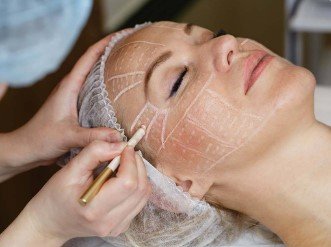
Some faces are naturally expressive. Smiling, laughing, squinting, talking, and raising the eyebrows can make a person’s personality visible before they say very much. Over time, repeated movement and gradual changes in skin quality may make fine lines easier to see. Adults visiting a Honolulu collagen clinic may want healthier-looking skin without losing the expressions that make their face recognizable.
The first step is separating movement from skin quality. A line that appears only during a smile is different from a fine crease that remains visible when the face is relaxed. Skin texture, collagen changes, sun exposure, dryness, and facial movement can all contribute to what someone sees in the mirror. These factors often overlap, which is why a quick decision based on one line or one photograph may not lead to the most suitable treatment plan.
Collagen is part of the structural framework that helps give skin firmness and resilience. Natural collagen production changes with age, while years of ultraviolet exposure may contribute to visible changes in texture. These processes can occur while facial movement remains completely normal. A person may therefore notice softer skin or finer surface lines without wanting to reduce the movement that gives the face its character.
Patients sometimes assume that every line needs to be treated directly. That can lead to a plan that feels more aggressive than they actually want. Someone who values natural facial movement may be more interested in supporting skin texture and firmness than trying to remove every visible expression line. A careful consultation can help define that preference before any procedure is selected.
Collagen-focused care may include microneedling, platelet-based procedures, physician-directed skin care, resurfacing treatments, or other options chosen after an assessment. Each approach serves a different purpose. The provider should explain whether the recommendation is aimed at texture, firmness, fine lines, or another skin concern. This makes it easier for the patient to understand why a particular treatment is being considered.
A patient’s preferred appearance should shape the conversation. Some people want visible cosmetic correction, while others would rather hear that they look rested or healthy without anyone being able to identify a procedure. Both preferences are valid, but they may lead to different treatment choices, treatment strength, and recovery expectations.
Facial movement also means the skin is constantly changing throughout the day. A line may look deeper after hours of talking, smiling, or being outdoors. Lighting and dehydration can make small creases more obvious as well. Treatment should be based on an overall assessment rather than one photograph taken at an unflattering moment or under harsh lighting.
Honolulu’s strong sun deserves attention because ultraviolet exposure can contribute to visible skin aging over time. Consistent broad-spectrum sunscreen, shade, and sensible outdoor habits can complement professional care. No in-office procedure can fully compensate for repeated unprotected exposure, so daily skin protection remains part of a long-term approach.
Home skin care should support rather than irritate the skin. Patients who use multiple acids, retinoids, scrubs, or other strong products may experience temporary dryness that makes fine lines look more noticeable. A simpler routine may sometimes be appropriate before adding another procedure. The goal is to maintain comfortable skin rather than constantly pushing it through irritation.
Recovery preferences are part of treatment planning too. Some collagen-focused procedures may involve temporary redness, swelling, flaking, or sensitivity. Patients with frequent meetings, public-facing work, or upcoming events should discuss how much visible recovery they are comfortable managing.
Results from treatments involving collagen remodeling generally develop gradually. Patients should not judge the outcome immediately after treatment or assume that more frequent procedures will create faster progress. Giving the skin time to respond provides a clearer view of what has changed and whether another session is actually needed.
Hawaii Facial Plastic Surgery can assess facial movement, skin texture, firmness, previous procedures, and personal treatment goals before recommending collagen-focused care. A thoughtful plan can focus on skin quality while respecting the natural expressions that are already part of the patient’s face.
Conclusion
Facial expression is not a flaw that needs to be removed. Collagen-focused care can instead concentrate on texture, firmness, and general skin quality while keeping the patient’s natural movement and appearance at the center of treatment planning.
Call to Action
Schedule a consultation with Hawaii Facial Plastic Surgery to discuss collagen-focused options that fit your skin concerns and preference for natural-looking facial rejuvenation.


