 WhatsApp Us Now
Hair care usually starts with what we can see: shampoo, conditioner, hair masks, oils and serums lined up on the bathroom shelf. But healthy-looking hair isn’t determined by external care alone. Nutrition, sleep, stress and overall health can influence what happens beneath the surface too.
This is where supplements sometimes enter the conversation. Hair growth gummies, for instance, have become popular among people looking for a convenient way to add selected nutrients to their daily routine. Ashwagandha is another ingredient attracting attention, particularly among people interested in managing everyday stress.
But can these two actually complement a hair-care routine? The answer starts with understanding what they can – and cannot – do.
Hair Health Starts From Within
Hair follicles need adequate nutrition to function normally. Protein, iron, zinc and several vitamins and minerals all have roles in maintaining healthy hair.
That doesn’t mean taking more supplements automatically leads to faster or thicker growth. If someone already gets sufficient nutrients through their diet, adding high doses may offer little benefit and can sometimes be counterproductive.
The sensible approach is to look at supplements as an addition to a balanced diet rather than a replacement for it.
For people who find it difficult to maintain consistent nutrition, hair growth gummies can be a convenient format. They’re easy to incorporate into a daily routine, but it’s still important to check the ingredient list, serving size and nutrient amounts instead of choosing a product simply because it carries a “hair growth” label.
What Does Stress Have to Do With Hair?
Stress may not be the first thing that comes to mind when you think about hair fall, but the connection is worth considering.
Physical and mental stress may cause hair loss in some cases via a condition known as telogen effluvium which is temporary. It is worth noting that this shedding may take place many weeks after the stressful situation and so it may be hard to associate the two factors.
It does not mean that every case of hair fall has to do with stress. There may be many causes including hormonal changes, nutritional deficiencies and certain diseases among other factors.
Nonetheless, learning how to cope with stress is very important for general wellbeing.
Where KSM-66 Ashwagandha Fits In
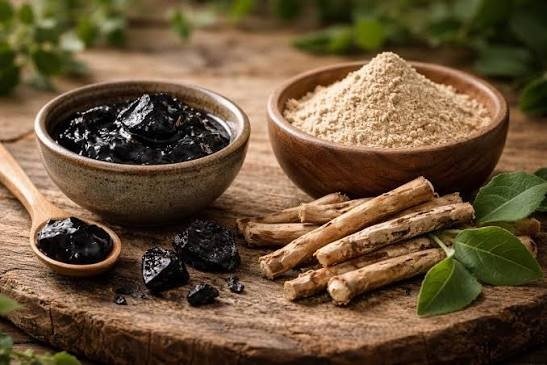
Ashwagandha (Withania somnifera) has a long history of traditional use and is now widely available as a dietary supplement. KSM-66 is a branded ashwagandha root extract commonly used in modern supplements.
Much of the interest around KSM ashwagandha capsules benefits relates to areas such as stress management and general wellbeing. Research has explored ashwagandha’s potential effects on perceived stress, sleep and related measures, although results can vary and supplements shouldn’t be treated as medical treatment.
For someone building a healthier routine, ashwagandha may therefore be considered alongside basics such as adequate sleep, regular movement, nutritious meals and practical stress-management habits.
Building a Routine That Makes Sense
Rootein provides a range of hair-related and ashwagandha supplements, such as Hair Gummies and KSM-66 Ashwagandha capsules. However, the purpose is not to substitute your current hair regimen but to enhance other healthy behaviors that contribute to overall health.
While choosing products, consider transparency on the label, clear listing of components and proper dosages. While evaluating the benefits of KSM ashwagandha capsules, do not treat all ashwagandha supplements equally but focus on the extract.
At the same time, consider some basic approaches that may prove more useful than introducing new products regularly. Thus, careful treatment of hair, proper nutrition, enough sleep, and stress reduction are key to success.
The Bigger Picture
Good hair is usually not about a single magic ingredient or single product. When dealing with hair care, it’s better to expand your horizons from thinking only about the scalp to think about the practices which take care of your overall health.
Hair supplements can certainly play their role here, but should be used as a part of the reasonable regimen and not a quick solution. If the hair loss is sudden and significant, consulting a dermatologist or physician about the reasons for hair loss would not hurt.


