 WhatsApp Us Now
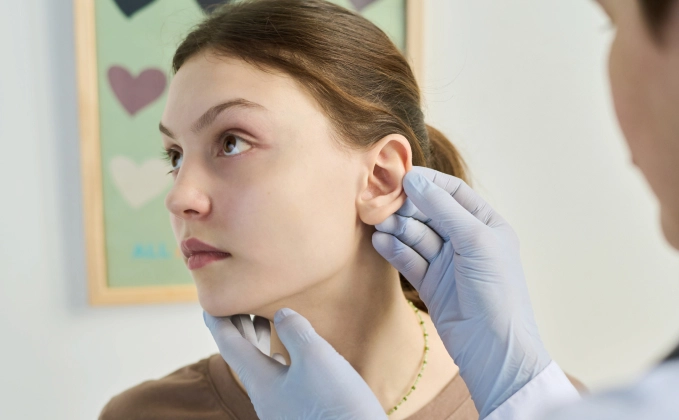
Earlobe reduction can help correct asymmetrical earlobes by adjusting their size, length, or shape to create a more balanced appearance. Some people naturally have earlobes that differ in size, while others develop asymmetry because of ageing, heavy earrings, stretched piercings, or injury. People considering تصغير شحمة الأذن في دبي should consult a qualified plastic surgeon for an individual assessment. The surgeon can examine both earlobes, identify the differences, and recommend a suitable technique based on the patient’s anatomy and cosmetic goals.
What Are Asymmetrical Earlobes?
Asymmetrical earlobes are earlobes that differ in appearance from one another. The difference may involve length, width, thickness, shape, position, or the size of the piercing opening.
Minor asymmetry is common because the human body is rarely perfectly symmetrical. However, a noticeable difference may make some people feel self-conscious, particularly when wearing their hair up, taking photographs, or using earrings.
Asymmetry may be present from birth or develop over time. A person may also notice a difference after an injury, surgical procedure, or repeated pressure from heavy jewellery.
What Causes Earlobe Asymmetry?
Several factors can contribute to uneven earlobes.
Natural Development:
Genetics and natural growth may cause one earlobe to be slightly larger or longer than the other. This type of asymmetry may remain stable throughout life.
Ageing:
Ageing can affect skin elasticity and soft-tissue volume. One earlobe may become more elongated or appear lower than the other due to natural changes in the skin.
Heavy Earrings:
Wearing heavy earrings for long periods may stretch the earlobes. If the stretching affects one side more than the other, the earlobes may become uneven.
Stretched Piercing Holes:
Large or stretched piercing openings can change the shape of the earlobe. A stretched hole may also pull the lower edge of the lobe downward.
Injury or Tearing:
An accident, pulled earring, or other trauma may damage one earlobe. The resulting scar or tissue loss can create a visible difference between the ears.
How Can Earlobe Reduction Improve Asymmetry?
Earlobe reduction can improve asymmetry by carefully reshaping the larger, longer, or more irregular earlobe. The surgeon may remove a different amount of tissue from each side to create better balance.
For example, if one earlobe is longer than the other, the surgeon may shorten the larger lobe. If one earlobe is wider or thicker, the procedure may focus on reducing its width or volume.
The treatment plan depends on the type of asymmetry. Some patients need only a small correction, while others may require reduction combined with repair of a stretched piercing hole or damaged tissue.
What Happens During the Consultation?
The process begins with a consultation and physical examination. The surgeon assesses both earlobes and compares their size, shape, thickness, position, and overall contour.
The patient can explain which differences are most noticeable and what kind of result they hope to achieve. The surgeon may use photographs or temporary markings to plan the correction.
The consultation may also include questions about:
- Previous ear surgery
- Heavy earring use
- Stretched or torn piercing holes
- Medical conditions
- Medications
- Allergies
- Previous wound-healing problems
- History of noticeable or raised scars
The surgeon should explain what can realistically be corrected and whether both earlobes need treatment.
How Is Asymmetry Corrected During Surgery?
Earlobe reduction is usually performed under local anaesthesia. The treatment area is numbed before the surgeon makes carefully planned incisions.
The surgeon removes a measured amount of excess skin or soft tissue from the earlobe that requires correction. The amount removed may differ between the two sides because the earlobes are not identical.
After removing the excess tissue, the surgeon reshapes the remaining earlobe to improve its contour. If a stretched or torn piercing hole is present, the damaged area may also be repaired.
Fine sutures are then used to close the incisions. The surgeon aims to create a natural appearance while avoiding excessive tension or overcorrection.
Can Both Earlobes Be Treated at the Same Time?
Yes, both earlobes can often be treated during one appointment. Treating both sides together may help the surgeon compare their proportions and plan a more balanced result.
However, the corrections may not be exactly the same. One side may require more tissue removal, while the other may need only a small adjustment.
The goal is to improve visual balance rather than create identical earlobes. Small differences may remain because natural ear anatomy varies from person to person.
What Is Recovery Like?
Recovery after earlobe reduction is generally manageable. Patients may experience mild swelling, bruising, tenderness, or tightness during the first few days.
The surgeon provides instructions about wound care, cleaning, sleeping positions, and activity restrictions. Patients should avoid pulling or rubbing the ears and should not wear heavy earrings during healing.
They may also need to avoid sleeping directly on the treated area. Follow-up appointments help the surgeon monitor healing and remove sutures when appropriate.
The skin may heal within a few weeks, but scar maturation and final tissue settling can take longer.
Are the Results Permanent?
The improvement from removing excess tissue is generally long-lasting. However, future stretching, heavy earrings, injury, or ageing may affect the earlobes again.
Patients can help maintain the result by avoiding excessive pressure on the ears and choosing lightweight jewellery after healing. Re-piercing should only be considered after the surgeon confirms that the tissue has recovered sufficiently.
What Are the Possible Risks?
Possible risks include infection, bleeding, bruising, delayed healing, visible scarring, numbness, overcorrection, undercorrection, and remaining asymmetry.
Complete symmetry cannot be guaranteed because natural ears often have small differences. Patients should discuss their expectations and possible limitations with the surgeon before treatment.
Increasing pain, spreading redness, significant swelling, discharge, fever, or wound separation should be reported promptly.
Frequently Asked Questions:
Can earlobe reduction correct uneven earlobe length?
Yes. The surgeon may shorten the longer earlobe to create a more balanced appearance.
Does one earlobe always need more tissue removed?
Not always, but different amounts may be removed when the two earlobes differ in size or shape.
Can asymmetry caused by heavy earrings be corrected?
Yes. If stretching has changed the earlobe’s shape, reduction or repair may improve the appearance.
Will both earlobes become identical?
Not necessarily. The goal is improved balance, but complete symmetry is not always possible.
Can stretched piercing holes be repaired at the same time?
Yes. Stretched or torn piercing openings may be repaired during earlobe reduction when appropriate.
Conclusion:
Earlobe reduction can correct certain types of asymmetry by adjusting the size, length, width, or shape of uneven earlobes. A surgeon may remove different amounts of excess tissue from each side and repair stretched or damaged areas when necessary. Although perfect symmetry cannot always be achieved, careful planning can create a more balanced and natural-looking appearance. A consultation with a qualified plastic surgeon is important for selecting the appropriate technique and understanding the expected results.


