 WhatsApp Us Now
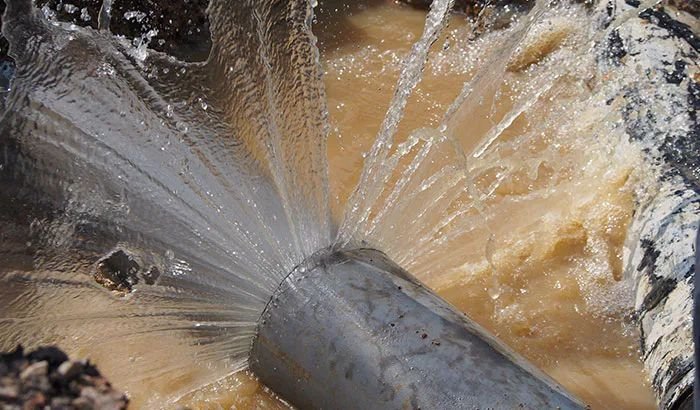
A burst pipe can turn an ordinary day into a stressful emergency within minutes. Water spreads rapidly through walls, ceilings, floors, and personal belongings, leaving behind damage that worsens with every passing hour. While it is tempting to focus only on cleaning up the visible mess, hidden moisture often creates long-term hazards, including structural instability, weakened building materials, and rapid mold growth.
Understanding how to respond immediately is the first step toward protecting your home and minimizing repair costs. Whether the damage stems from freezing temperatures, aging plumbing, or sudden pressure shifts, acting quickly makes all the difference. This guide shares practical, industry-proven advice from restoration professionals to help you navigate burst pipe water damage repair with confidence.
1. Shut Off the Water and Electricity Immediately
Your absolute first priority is stopping the water at its source. Locate your home’s main water shut-off valve and turn it off the moment you notice a leak. This single action halts the flooding and limits the boundary of the damage.
Once the water is off, cut the electricity to the affected areas if it is safe to do so. Water and electricity are a lethal combination; never enter flooded spaces where electrical hazards may exist. If the water has reached outlets, appliances, or your breaker box, wait for qualified professionals to inspect the area before stepping inside.
2. Remove Standing Water Without Delay
Standing water is a ticking clock. It continuously seeps deeper into flooring, drywall, insulation, and framing, making eventual restoration significantly more difficult.
If it is safe to do so, use wet vacuums, pumps, towels, or mops to extract as much pooling water as possible. Increase localized airflow by opening windows (weather permitting) and setting up heavy-duty fans and dehumidifiers.
Note: While DIY methods help, professional restoration teams utilize industrial-grade extraction equipment and specialized floor mats that draw out moisture trapped deep beneath hardwoods and inside wall cavities.
3. Inspect for Hidden Moisture
Visible water rarely tells the whole story. Moisture travels the path of least resistance, often pooling behind baseboards, under subfloors, and inside insulation where it cannot be seen by the naked eye.
Professional restoration inspections rely on advanced tools like moisture meters and thermal imaging cameras to map hidden wet zones. Detecting these concealed pockets early prevents expensive structural rot down the road and protects your indoor air quality from hidden mold colonies. Thorough tracking is a mandatory component of comprehensive burst pipe water damage repair.
4. Protect Your Belongings and Document the Damage
Water damage does not stop at the structure of your home; furniture, electronics, documents, textiles, and sentimental items are equally at risk.
Move salvageable items to a dry, well-ventilated location immediately. Separate wet items to improve airflow, and avoid stacking damp materials together, which traps moisture. Keep electronics unplugged until they have been evaluated by a technician.
Pro-Tip: Before you discard or move too many items, take clear photos and videos of the standing water, the burst pipe itself, and all damaged possessions. Detailed photographic evidence drastically simplifies the insurance claims process.
5. Prevent Mold Before It Starts
Mold spores can begin to germinate and colonize within 24 to 48 hours of water exposure. Even minor amounts of trapped moisture provide an ideal breeding ground.
To mitigate this, affected materials must be thoroughly dried, sanitized, and monitored for relative humidity. Porous items that cannot be completely dried and disinfected—such as saturated drywall or certain types of carpeting—should be professionally removed. Preventive mitigation is always faster, safer, and far less expensive than undergoing full-scale mold remediation once a colony has spread.
6. Partner with Certified Restoration Specialists
While minor spills can be handled with household tools, a burst pipe generally requires specialized intervention. Certified restoration professionals understand psychrometrics (the science of drying) and follow structured, certified drying protocols to eliminate long-term structural risks.
In addition to advanced drying, professional teams handle structural sanitization, deodorization, and structural rebuilds. Their expertise ensures that your property is not merely dry on the surface, but completely safe and verified dry beneath it.
7. Mitigate the Risk of Future Plumbing Failures
True recovery involves ensuring the emergency doesn’t happen again. Once your home is restored, implement these proactive measures to protect your plumbing:
- Insulate Exposed Pipes: Wrap pipes in unheated areas (crawlspaces, attics, garages) with foam insulation sleeves before winter.
- Maintain Stable Indoor Temperatures: Keep your thermostat set to at least 55°F (13°C) even when traveling during the winter months.
- Monitor Water Pressure: Install a pressure gauge to ensure your home’s water pressure stays within a safe range (typically 40–60 PSI).
- Schedule Routine Inspections: Have a licensed plumber evaluate aging pipes, look for minor corrosion, and replace weak connections before they fail.
Conclusion
Recovering from a burst pipe requires a comprehensive approach that goes far beyond mopping up visible puddles. Swift action, rigorous inspection, professional-grade drying, and preventive care are all critical to successfully restoring your property.
By understanding the essential steps of burst pipe water damage repair, homeowners can make smart, decisive choices during a crisis. Combining immediate DIY containment with experienced restoration support is the fastest way to return your home to a clean, dry, and healthy condition.


