WhatsApp Us Now

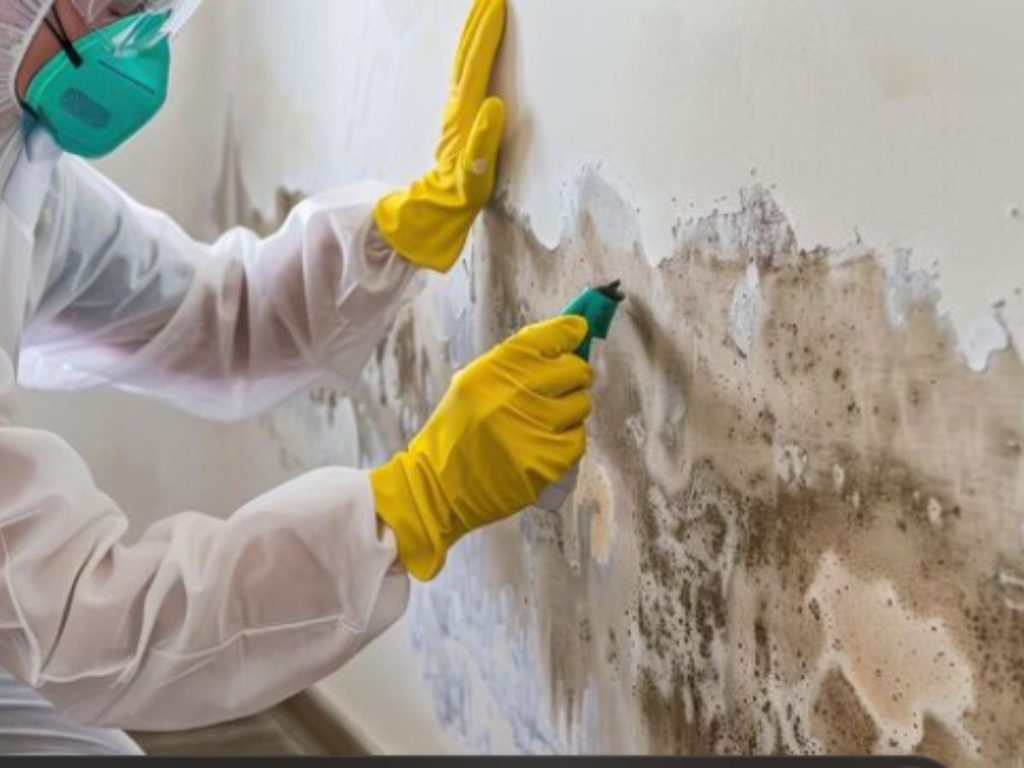
Moisture problems inside a property can create conditions that allow mold to develop on different surfaces. Bathrooms, basements, kitchens, utility rooms, and areas affected by plumbing leaks are particularly vulnerable when moisture is not properly addressed. In Dallas, TX, water intrusion from plumbing failures, roof leaks, and flooding can contribute to indoor dampness and mold growth.
Understanding the causes of mold, recognizing its warning signs, and learning about black mold removal Dallas TX processes can help property owners respond appropriately.
What Causes Black Mold Growth?
Mold is a type of fungus that can grow in areas where moisture and suitable organic materials are present. It may develop on drywall, wood, insulation, ceiling materials, carpets, and other surfaces.
Water leaks are one of the common reasons mold develops indoors. A leaking pipe behind a wall or moisture trapped beneath flooring can create damp conditions that are not immediately visible.
Poor ventilation can also contribute to moisture accumulation. Bathrooms without adequate ventilation, enclosed storage areas, and damp basements may experience recurring moisture problems.
It is important to remember that not all dark-colored mold is the same species. Mold cannot be reliably identified by appearance alone.
Common Warning Signs of Indoor Mold
Mold growth may be visible, but it can also remain hidden behind walls, beneath flooring, or inside ceiling cavities.
Some common warning signs include:
- Dark or discolored patches on walls and ceilings.
- Persistent musty or earthy odors.
- Recurring damp spots after cleaning.
- Peeling paint or damaged wallpaper.
- Moisture around windows and plumbing fixtures.
- Previous water damage that was not properly dried.
If these signs appear repeatedly, the underlying moisture source should be investigated rather than simply covering the affected surface.
Why Black Mold Removal Requires Proper Attention
Mold can affect indoor materials and contribute to poor indoor environmental conditions. Exposure may cause allergic reactions or respiratory irritation in some individuals, particularly those with existing sensitivities.
Attempting to remove extensive mold growth without appropriate protective equipment and containment measures can disturb spores and spread contamination to other areas.
This is why black mold removal Dallas TX should involve an appropriate assessment of the affected space and the underlying moisture problem.
Important Steps in the Mold Removal Process
1. Identify the Moisture Source
The first priority is to understand why mold developed. Common sources include plumbing leaks, roof damage, flooding, condensation, and inadequate ventilation. Unless the moisture problem is corrected, mold may return after cleaning.
2. Assess the Affected Areas
An inspection helps determine the extent of visible and potentially hidden mold growth. Depending on the situation, professionals may examine wall cavities, flooring, ceilings, and other moisture-affected materials.
3. Establish Appropriate Containment
For larger mold remediation projects, containment measures may be necessary to limit the spread of mold spores into unaffected parts of the property. Appropriate protective equipment and work practices are also important.
4. Remove or Clean Affected Materials
The treatment depends on the type of material and the extent of contamination. Nonporous surfaces may sometimes be cleaned, while heavily contaminated porous materials, such as certain insulation and drywall products, may require removal and replacement.
5. Dry the Property Thoroughly
After remediation, affected areas must be properly dried. Moisture monitoring and appropriate drying equipment can help ensure that damp conditions are addressed.
6. Repair and Restore the Space
The final stage may involve replacing removed building materials, repairing damaged surfaces, and addressing ventilation or drainage problems that contributed to moisture accumulation.
Preventing Mold from Returning
Preventing recurring mold growth requires controlling indoor moisture. Property owners should repair plumbing leaks promptly, maintain roofs and gutters, and ensure bathrooms and kitchens have suitable ventilation.
After flooding or water damage, affected materials should be dried properly rather than relying only on surface cleaning. Dehumidifiers may also help manage indoor humidity when used appropriately.
Regular inspections of areas beneath sinks, around appliances, and near water heaters can help identify small leaks before they create larger moisture problems.
Understanding the Connection Between Water Damage and Mold
Mold growth is often connected to unresolved water damage. A property that experiences flooding or persistent leaks may remain vulnerable if moisture is trapped inside building materials.
Fires & Water Restoration works in the property restoration field, including water-related damage recovery. Addressing water intrusion, drying affected materials, and understanding the need for appropriate remediation are important parts of managing moisture-related property concerns.
For extensive mold contamination, property owners should seek qualified mold remediation professionals and follow applicable safety recommendations.
Conclusion
Black mold concerns should never be addressed through surface cleaning alone when the underlying moisture source remains unresolved. Identifying leaks, assessing affected materials, applying appropriate remediation methods, and ensuring thorough drying are essential parts of the process. Understanding black mold removal Dallas TX can help property owners take informed steps toward maintaining cleaner, drier, and better-maintained indoor spaces.