 WhatsApp Us Now

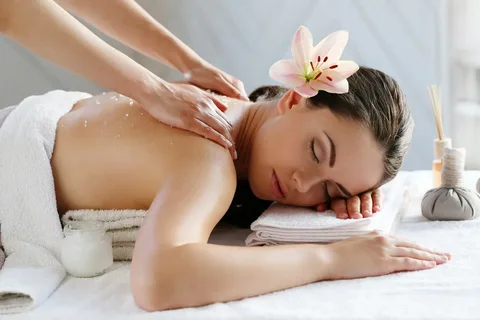
A demanding day can leave the shoulders tight, the mind restless, and sleep harder to settle into. A considered massage session gives you time to pause, ease muscle tension, and notice how your body feels after long hours of work.
Choosing massage in Dubai gives residents and visitors access to different approaches, from gentle relaxation techniques to more focused treatments. Understanding their purposes helps people select an experience that suits their comfort, preferences, and wellness goals.
Professional Massage Benefits For Everyday Wellbeing
Massage can support relaxation and body awareness when the technique, pressure, and session length suit individual needs and personal comfort.
1. Easing Everyday Muscle Tension
Desk work, repeated movements, and travel can leave the neck, shoulders, and back tight. Massage uses considered strokes to help muscles relax.
- Focus: Discuss areas of stiffness before the session.
- Pressure: Choose a level that feels comfortable.
The aim is relief and ease, not enduring pain. Communicating throughout helps the therapist adjust the treatment to your needs.
2. Creating Space For Mental Relaxation
A quiet room, gentle pace, and uninterrupted time help people step away from daily demands. Massage may encourage calm through soothing touch and a restful environment.
- Setting: Look for a clean, peaceful treatment space.
- Preferences: Share sensitivities to sound, scent, or lighting.
A relaxed experience can make it easier to unwind after busy schedules, although individual responses naturally differ.
3. Supporting A More Restful Routine
Relaxation before bedtime can help people transition from a hectic day. Massage is not a cure for sleep disorders, but it can be part of a wind-down routine.
- Timing: Choose a session that fits your evening.
- Routine: Pair relaxation with regular sleep habits.
Notice how your body responds rather than expecting identical results after every visit.
4. Encouraging Better Body Awareness
Massage can help people notice where they hold tension and how posture or repetitive activity affects comfort. This awareness may encourage changes at work, during exercise, and at rest.
- Observe: Identify recurring areas of tightness.
- Adjust: Take movement breaks and vary positions.
Massage works best as a complement to healthy habits, not a replacement for movement, appropriate exercise, or professional medical care.
Choosing Suitable Massage Techniques For Personal Needs
Different techniques create different sensations, so understanding their approach helps you choose a session that matches your comfort and individual preferences.
1. Relaxation Techniques For Gentle Unwinding
Swedish-style massage uses flowing strokes and light to moderate pressure. It may suit someone seeking a soothing introduction or break from stress. When comparing massage in Dubai, ask what a session includes rather than relying on its name.
- Ask about pressure and session duration.
- Mention areas you prefer the therapist to avoid.
Clear communication helps make the experience more comfortable and predictable.
2. Focused Work For Stiff Muscle Areas
Deep-tissue approaches use slower strokes and firmer pressure on selected areas. They may suit persistent muscular tightness, but stronger pressure is not automatically better or suitable for everyone.
- Explain your comfort level before treatment.
- Speak up if pressure feels sharp or uncomfortable.
A trained therapist should adapt techniques and avoid treating pain as a measure of success.
3. Heat-Based Treatments And Their Sensations
Hot stone treatments use warmed stones during massage. Heat can feel soothing, but temperature and placement must remain comfortable.
- Tell the therapist if heat feels excessive.
- Discuss health concerns before choosing heat-based care.
People with certain medical conditions, reduced sensation, or skin concerns should seek appropriate medical advice before booking.
4. Traditional Techniques And Stretching
Thai massage combines pressure with assisted stretches, unlike oil-based massage. It can feel more active, so explain your mobility and comfort preferences.
- Wear or request suitable clothing if needed.
- Avoid stretches that cause pain or strain.
The therapist should adapt movements to your ability, rather than pushing joints beyond a comfortable range.
Planning A Comfortable And Informed Professional Spa Visit
A thoughtful booking process helps set expectations, protect personal comfort, and make the session more useful from the very beginning.
1. Communicating Preferences Before The Session
Share your goals, pressure preference, concerns, and sensitivities before treatment. This gives the therapist a clearer starting point and helps avoid unwanted techniques.
- Mention recent injuries or relevant health conditions.
- Agree on pressure and boundaries in advance.
You can ask questions or request an adjustment at any time. Consent and comfort should remain central throughout the appointment.
2. Checking Hygiene And Professional Standards
Clean rooms, fresh linens, hand hygiene, and maintained equipment are basic expectations. A professional setting should explain treatment clearly and respect privacy.
- Notice cleanliness in the room and facilities.
- Confirm the therapist explains the process.
Do not hesitate to leave if standards feel inadequate. A calm atmosphere matters, but cleanliness and respectful conduct matter just as much.
3. Understanding When To Seek Medical Advice
Massage is not appropriate for every condition. Fever, acute injury, unexplained swelling, circulatory conditions, or recent surgery may require medical guidance.
- Tell the provider about relevant health concerns.
- Ask a healthcare professional when uncertain.
Massage should not replace diagnosis or treatment. Stop the session if you feel dizzy, unwell, or experience unexpected pain.
4. Making The Experience Fit Your Routine
A wellness habit should fit your schedule and budget without pressure to book frequently. Consider session length, travel time, and how you feel afterwards.
- Compare treatment details, not promotional wording alone.
- Choose a frequency that feels manageable.
Hydration, gentle movement, and adequate rest can complement relaxation. Let your comfort and personal needs guide future appointments.
Conclusion: Choosing Care That Supports Your Wellbeing
Massage is useful when it responds to the person, not a one-size-fits-all promise. Choosing a suitable technique, communicating clearly, and respecting personal limits can make a session worthwhile.
For people exploring massage spa services, Sweet Spa and Massage offers Swedish, deep tissue, hot stone, Thai massage, aromatherapy, Moroccan bath, and spa packages. Their therapists tailor sessions to preferences. Review treatment details, discuss your needs, and choose a service that matches your comfort and wellness goals.


