 WhatsApp Us Now
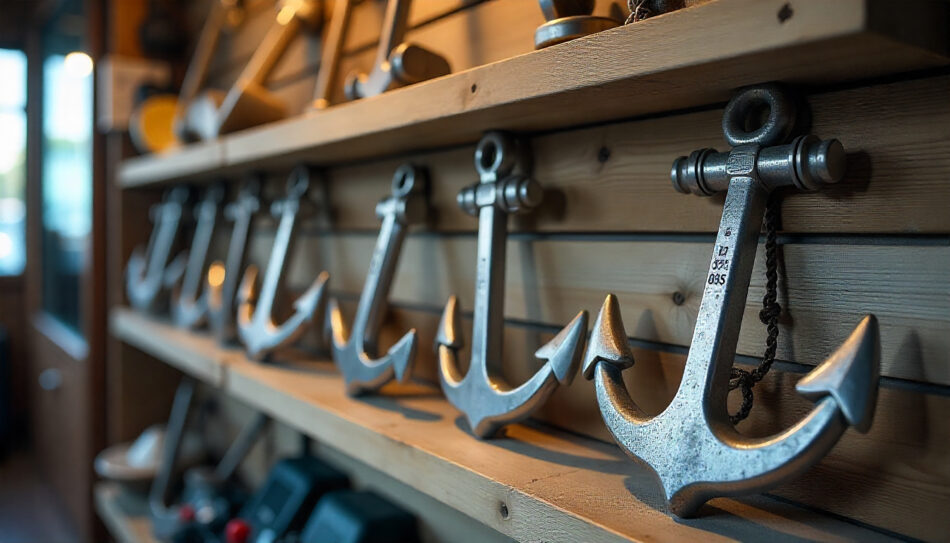
Selecting the right Anchor Accessories is more than a shopping decision; it is an investment in safety, performance, and peace of mind on the water. Whether you are a weekend sailor, a professional fisherman, or a yacht owner, the reliability of your anchor setup can make the difference between a smooth docking and a disastrous drift. With countless options on the market, knowing what to look for in durability can save you time, money, and headaches in the long run.
Understanding the Role of Anchor Accessories
Before buying, it’s essential to understand what Anchor Accessories do. They are not just decorative add-ons; these components work together to keep your vessel securely moored. From chains and shackles to swivels and anchor rollers, each piece plays a role in ensuring your anchor holds fast, even in challenging conditions. Poor-quality accessories can lead to failures that compromise safety and damage your boat.
High-grade accessories are made to withstand constant exposure to saltwater, UV rays, and high tension. Choosing products that resist corrosion, wear, and mechanical stress should be your top priority.
Choosing the Right Materials
Material selection is critical when shopping for durable Anchor Accessories. Marine-grade stainless steel is often the preferred choice for its resistance to rust and corrosion. Galvanized steel offers a balance between durability and affordability, while coated metals can provide added protection against harsh marine environments. Avoid low-grade metals that may weaken or break under strain.
Pay close attention to the grade of stainless steel, such as 316, which offers superior corrosion resistance compared to 304 in saltwater conditions.
Matching Accessories to Your Anchor Type
The durability of Anchor Accessories depends on whether they are suited to the type of anchor you use. For instance, a plough anchor may require different chain lengths and swivel strengths than a fluke anchor. Matching components correctly ensures that the entire system functions seamlessly. Over- or undersized accessories can cause excessive strain, reducing both safety and lifespan.
You should also consider the seabed type where you typically anchor. Sandy bottoms, rocky seabeds, and muddy grounds each demand slightly different gear specifications.
Importance of Corrosion Resistance
Saltwater is unforgiving. Corrosion is one of the leading causes of anchor gear failure. Durable Anchor Accessories should be treated or manufactured to resist rust. Look for products with hot-dip galvanization, anodized finishes, or marine-grade alloys. Even the smallest rust spot can quickly spread, weakening the accessory and leading to potential failure during use.
If you operate in freshwater, corrosion resistance is still important, though you may have more flexibility in material choices.
Weight and Strength Ratings
When choosing Anchor Accessories, always check the manufacturer’s weight and strength ratings. These figures indicate how much load the accessory can safely handle. A mismatch between your boat’s size and the accessory’s rated capacity can lead to premature wear or sudden breakage. It’s always better to select equipment with a slightly higher load rating than you think you’ll need.
Pay attention to breaking load limits and working load limits; both are critical in assessing performance.
Ease of Maintenance
Even the most durable Anchor Accessories require regular maintenance. Choose designs that are easy to inspect, clean, and service. Simple features like removable pins, smooth surfaces, and accessible joints can make maintenance much faster. Accessories that are difficult to maintain may go neglected, leading to a shortened lifespan.
After every trip, rinse your accessories with fresh water and check for signs of wear, rust, or deformation.
Compatibility with Your Boat Setup
Durability isn’t just about how strong the accessory is; it’s also about how well it integrates into your overall anchoring system. A chain that’s too thick might not pass through your windlass smoothly, while a swivel that’s too small could jam under load. Before purchasing, take precise measurements of your existing setup and ensure compatibility with your chosen Anchor Accessories.
A well-matched system reduces friction, wear, and strain, all of which contribute to longer service life.
Considering the Environment
If you sail in extreme environments, such as areas with strong tidal currents, rocky shores, or deep waters, you need Anchor Accessories built for the challenge. In such cases, opt for heavy-duty components with reinforced joints and premium finishes. Accessories designed for light coastal use may not survive in harsher conditions.
Your sailing environment will ultimately dictate the durability standards you should aim for.
Final Thoughts
Selecting durable Anchor Accessories is not just about avoiding replacement costs; it’s about ensuring the safety of your vessel and everyone on board. Pay attention to materials, strength ratings, corrosion resistance, and compatibility. Match your accessories to your anchor type and boating environment, and commit to regular maintenance. By doing so, you’ll have a dependable anchoring system that stands the test of time, season after season.
FAQs
1. How often should I replace anchor accessories?
It depends on usage, but with proper care, high-quality accessories can last several years. Replace them if you notice rust, cracks, or weakened joints.
2. Is stainless steel always better than galvanized steel?
Not always. While stainless steel is more corrosion-resistant, galvanized steel can be stronger in certain applications and is usually more affordable.
3. Do anchor accessories fit all anchor types?
No, accessories must be matched to the specific anchor type and boat size for safe and efficient operation.
4. What’s the most important factor in choosing durable accessories?
Corrosion resistance is critical, especially for saltwater boating, followed closely by strength ratings.
5. Can I use freshwater anchor accessories in saltwater?
It’s possible, but not recommended, as they may not withstand the corrosive effects of saltwater for long.


