 WhatsApp Us Now
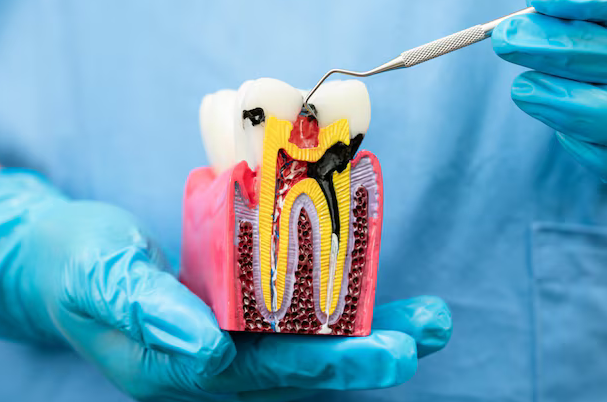
A root canal treatment is an effective solution for a toothache that won’t go away, or for tooth sensitivity. It can also help prevent the pain and infection that would occur if the tooth was left untreated.
Dental insurance typically covers between 40 and 80 percent of the procedure, lowering your out-of-pocket costs to $200 or less. Explore flexible payment plans to manage the cost of a root canal treatment Bowling Green KY and crown.
How It Works
Root canal treatment, also called endodontic treatment, saves a tooth that would otherwise die and have to be removed. It is usually performed on infected or injured teeth. A root canal is necessary when a crack, deep cavity, injury, or other problems damage the dental pulp (the living tissue inside the tooth). Symptoms of an infected tooth include pain or sensitivity to hot or cold, tender or swollen gums around the tooth, a pimple on the gums, and a severe toothache that cannot be relieved.
During a root canal, the tooth is numbed and a rubber dam is placed over the affected area to keep saliva out. An opening is then made on top of the tooth and the damaged pulp, nerves, bacteria, and decay are removed with special dental instruments. The space is then cleaned and filled with a sterilized material, and the tooth is sealed with a filling or crown. The restored tooth is very durable and should last a lifetime.
Preparation
A root canal removes infected tissue, alleviates pain, and preserves a tooth that would otherwise need extraction. It is recommended when deep decay or repeated dental procedures damage the inner pulp, or a crack or chip compromises the tooth’s structure and function. It is also commonly needed when a dental abscess develops, or a nerve is severely inflamed or infected.
A local anesthetic is administered, and a dental dam (sheet of rubber) placed to keep the tooth dry and free of saliva. An opening is made through the top of the tooth, and the infected tissue is removed using small handheld instruments. The space is then cleaned, shaped, and filled with gutta-percha, a biocompatible material. The crown is then inserted to restore the tooth’s functionality.
Although some discomfort is normal after a root canal, over-the-counter pain relievers like ibuprofen can manage the soreness. Follow-up care, including regular oral hygiene and routine dental visits, ensures recovery is healthy and successful.
Sedation
Root canal therapy is necessary when an infection or abscess forms inside a tooth. It also can be used to repair a cracked or damaged tooth by removing bacteria, dead nerves, and decay. The space is then filled with a special dental material and sealed. A dental crown may be placed on top to protect the weakened tooth.
Contrary to popular belief, root canal treatment Bowling Green KY are not painful – they’re similar in discomfort to getting a filling. Modern anesthesia and sedation techniques help patients stay comfortable throughout the procedure.
The first step in a root canal is to make sure the area around the tooth is numb using local anesthesia. For some patients, nitrous oxide or oral conscious sedation is used. This allows the patient to relax deeply, and some may even fall asleep during the procedure. For more complex cases, IV sedation is available. This requires monitoring by a professional and is best for patients with severe anxiety or fear of dentistry.
Treatment
If a tooth has been damaged or infected, a root canal may be needed. This procedure removes the nerve and bacteria from inside the canals of the tooth’s pulp and can relieve pain and save the tooth from extraction.
A numbing agent is placed around the infected area to keep it dry and free of saliva during treatment. A hole is then drilled into the tooth, and the damaged tissue is removed using small handheld instruments. The space is then cleaned and filled with a sterilized material called gutta percha and sealed.
The infected area will be sore for several hours, but over-the-counter pain relief can be used. Patients should avoid chewing on the affected tooth until it is fully restored with a dental crown. Regular brushing, flossing and regular dental visits will help ensure a healthy tooth for life.


