 WhatsApp Us Now

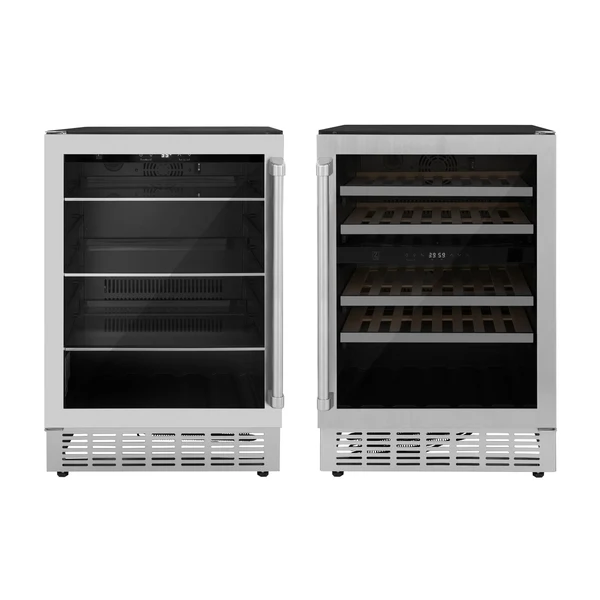
Wine and drinks stored in a standard kitchen refrigerator rarely get the conditions they need. Food refrigerators run too cold and too dry, vibrate with every compressor cycle, and expose bottles to constant door traffic. An under-counter wine cooler fixes this by fitting beneath a countertop while holding a steady temperature, controlled humidity, and a calm, low-vibration environment. It also frees valuable space in the main refrigerator for food. Choosing the right model takes more than checking bottle capacity, because installation, cooling design, and layout all affect results. This guide explains how these units work, what to measure, how to compare storage styles, and how to keep the unit running well.
How Cooling and Temperature Zones Work
Wine is best kept between roughly 45 and 65 degrees Fahrenheit, depending on the style, with reds served warmer than whites. Compressor systems cool reliably in warm rooms, while thermoelectric designs run quietly but struggle when the surrounding air is hot. A beverage refrigerator generally runs colder, often near 34 to 40 degrees, which suits soda, sparkling water, and beer. Dual-zone models split the cabinet into two temperature areas, so reds, whites, and drinks can share one cabinet. Look for digital controls and accurate thermostats, since small swings stress corks and shorten a wine’s life.
Measuring and Planning the Installation
Before buying, measure the cutout for height, width, and depth, and confirm that the door will swing without hitting adjacent cabinets. A built-in under-counter wine cooler typically has a front-venting design, which allows installation flush with cabinetry without blocking airflow. Freestanding units vent from the back and need several inches of clearance, so they are unsuitable for tight enclosures. Plan for a dedicated outlet nearby, and keep the unit away from ovens and dishwashers that add heat. Level feet help the door seal evenly, and a firm floor reduces vibration that can disturb sediment in older bottles.
Storage Layout for Bottles, Cans, and Mixed Use
Shelving determines how useful the capacity really is. Wooden slide-out racks display labels and let you remove one bottle without disturbing others, while wire shelves hold bottles of unusual shapes. A wine and beer fridge usually offers adjustable shelves, so tall bottles, cans, and cartons can share space. Look for UV-protected glass doors that block light, which can damage wine, and soft interior lighting that lets you browse without opening the door. Checking the stated capacity against standard bottle sizes avoids disappointment, since magnums and wide sparkling bottles take more room than the specification suggests.
Choosing Between Wine-Focused and Multi-Purpose Units
Entertainers often want something more flexible than a dedicated wine cabinet. A beverage cooler fridge holds cans, bottles, mixers, and water at serving temperature, and many include a lock, reversible door, and quiet fan. Serious collectors may prefer a pure wine cabinet with humidity control and a steadier temperature. Mixed-use homes can pick a dual-zone model that handles both needs. Whichever format you choose, a stainless steel trim, double-pane glass, and a good door gasket improve efficiency, and a quiet compressor suits open-plan living areas.
Conclusion
The right unit protects wine, keeps drinks ready to serve, and blends into the kitchen or bar without taking floor space. Measure the opening, decide how much capacity you need, and match the cooling type to the room. Shoppers who want to compare finishes, sizes, and zone layouts in one place can browse the range at Smart Home Luxury, which makes it simpler to narrow the choice. Regular care, including wiping the interior, cleaning the condenser, and checking the door seal, keeps performance steady. With careful planning, an under-counter wine cooler can serve a household reliably for many years.


