 WhatsApp Us Now

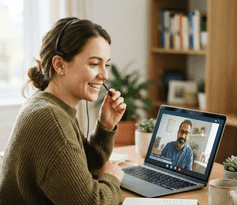
Mental health care has changed a great deal over the past few years. For many people, the biggest obstacle to getting help was never a lack of willingness. It was the logistics: long drives, packed waiting rooms, rigid appointment windows, and months-long waitlists. Today, a virtual psychiatrist can remove many of those barriers while still delivering the clinical depth that real treatment requires.
If you have been weighing whether online psychiatric care is right for you, this article walks through how partnering with a virtual psychiatrist can strengthen your treatment journey, from the first appointment to long-term progress. The tone here is informative and encouraging, because taking the first step toward care deserves both facts and reassurance.
Understanding What a Virtual Psychiatrist Actually Does
A virtual psychiatrist is a licensed medical doctor who specializes in mental health and delivers care through secure video or phone sessions. The training, credentials, and clinical responsibilities are the same as those of a psychiatrist who practices in a physical office. The difference is the setting, not the standard of care.
During a virtual visit, your psychiatrist can assess symptoms, make or refine a diagnosis, discuss treatment options, prescribe medication when appropriate, and monitor how you respond over time. They can address a wide range of concerns, including anxiety, depression, ADHD, bipolar disorder, sleep problems, trauma-related symptoms, and stress-related conditions.
A common misconception is that online care is a lighter or less serious version of the real thing. In practice, a good virtual psychiatrist follows the same diagnostic frameworks, safety protocols, and documentation standards as any in-person practice. Many people find the conversation itself feels even more natural, because they are speaking from a familiar and comfortable space rather than a clinical one.
Convenience That Supports Consistency
Consistency is one of the strongest predictors of good outcomes in psychiatric care. Missing appointments, delaying follow-ups, or abandoning treatment because it is hard to fit into a busy week can slow progress or cause setbacks. This is where working with a virtual psychiatrist makes a real difference.
Less Time Lost to Travel and Waiting
A typical in-person visit can consume half a day once you factor in commuting, parking, and time in the waiting room. A virtual session takes only as long as the appointment itself. That means you can fit care around work, school, or family responsibilities without sacrificing your entire schedule.
Better Access for People Who Face Barriers
Some people live in areas with few psychiatrists, and others have mobility limitations, unreliable transportation, or caregiving duties that make leaving home difficult. Online care opens the door for these individuals. Someone who might have waited months for a local appointment may be able to see a qualified virtual psychiatrist in a matter of days.
Easier Follow-Ups and Medication Check-Ins
Medication management often involves short, frequent check-ins, especially in the early weeks. Adjusting a dose, discussing side effects, or reviewing how a new treatment feels is much simpler when a follow-up is a quick video call rather than a full trip across town. Easier follow-ups mean problems get caught earlier, and small adjustments happen sooner.
A More Comfortable Setting Encourages Honesty
Effective psychiatric care depends on open communication. You can only receive accurate guidance if you feel safe describing what is really happening, including the symptoms that feel embarrassing, confusing, or hard to put into words.
For many people, speaking from home lowers the emotional barrier. There is no need to sit in a public waiting area, and no worry about running into someone you know. Privacy and comfort can make it easier to share details about mood, sleep, relationships, habits, and thoughts that you might otherwise hold back.
Stigma around mental health still prevents many people from seeking help. A virtual psychiatrist offers a discreet entry point. You can begin treatment without announcing it to anyone, and you can build trust at your own pace. That sense of control often helps people stay engaged, which in turn supports better results.
It is also worth noting that your home environment can give your psychiatrist useful context. Seeing how you are doing in your daily surroundings, and hearing how your routines look, can add helpful detail to the clinical picture. Some patients find it easier to talk about sleep habits, household stress, or daily structure when they are sitting in the very place where those things happen.
Personalized, Continuous, and Collaborative Care
The strongest treatment journeys are not built on a single appointment. They are built on a relationship in which your psychiatrist understands your history, your goals, and how you respond to different approaches. A virtual psychiatrist can support that kind of partnership in several ways.
Care That Fits Your Individual Needs
No two people experience mental health conditions the same way. A thoughtful virtual psychiatrist takes time to understand your symptoms, medical background, lifestyle, and personal priorities before recommending a plan. Treatment may include medication, therapy referrals, lifestyle adjustments, or a combination. The goal is a plan built around you rather than a generic template.
Ongoing Monitoring and Adjustments
Mental health is not static. Stress levels change, life events happen, and medications may need fine-tuning. Because virtual visits are easier to schedule, your psychiatrist can stay closer to what is happening in your life. That responsiveness helps them adjust treatment before a minor issue grows into a major one.
Coordination With Your Wider Care Team
Many patients also see a primary care doctor, a therapist, or other specialists. A good virtual psychiatrist communicates with these providers when appropriate and with your permission, so everyone is working toward the same goals. Integrated care reduces conflicting advice and helps you feel supported rather than scattered across disconnected appointments.
Digital Tools That Add Value
Many online practices use secure patient portals, digital intake forms, and messaging features that make it simple to share updates, request refills, or review notes between visits. These tools keep you involved in your own care. When you can track how you feel over time and share that information easily, appointments become more productive and decisions become better informed.
What to Look for When Choosing a Virtual Psychiatrist
Not every online provider offers the same quality of care, so it helps to choose carefully. A few practical points can guide your decision.
Verify credentials. Confirm that the psychiatrist is a licensed physician in your state and board certified in psychiatry where applicable. Reputable practices make this information easy to find.
Look for clear communication. A trustworthy provider explains what a visit includes, how prescriptions are handled, what limits apply to telehealth, and what happens in an emergency.
Check privacy and security. Sessions should take place on a secure, confidential platform that protects your personal health information.
Ask about fees and insurance. Understand the cost of initial and follow-up visits, whether your insurance is accepted, and whether HSA or FSA funds can be used.
Pay attention to fit. Rapport matters. You should feel heard, respected, and comfortable asking questions. If the first provider is not the right match, it is perfectly reasonable to look for another.
It is also important to be realistic about limits. Virtual care is well suited to a large share of psychiatric needs, but some situations call for in-person or emergency services, such as acute crises or conditions requiring physical examination or specialized testing. An ethical virtual psychiatrist will tell you plainly when a different level of care is the safer choice.
Making the Most of Your Virtual Appointments
A little preparation can improve every session. Find a quiet, private space with a stable internet connection. Keep a short list of symptoms, questions, and any medications or supplements you take. Jot down changes in mood, sleep, appetite, or energy between visits, since these details help your psychiatrist see patterns.
Be as candid as you can. There is no need to polish your story or downplay what you are feeling. Your psychiatrist is there to help, not to judge. And if something is unclear, ask. Understanding your diagnosis and treatment plan makes you a more active partner, and active partners tend to see stronger outcomes.
Conclusion: Take the Next Step Toward Better Mental Health
Partnering with a virtual psychiatrist can make your treatment journey more accessible, more consistent, and more personal. You gain flexibility without giving up quality, privacy without isolation, and ongoing support without the stress of constant travel. For many people, those advantages are what turn good intentions into real progress.
You do not need to wait until things feel unmanageable to ask for help. Whether you are facing anxiety, depression, attention concerns, or simply feel that something is off, a conversation with a qualified professional can bring clarity and direction.


