 WhatsApp Us Now

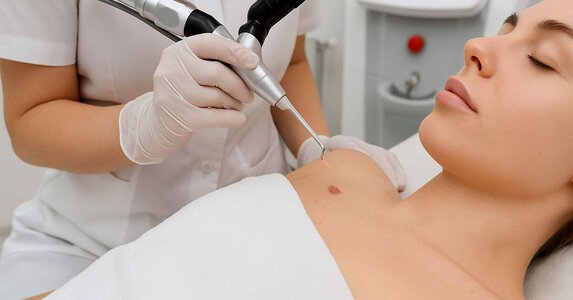
Rough skin can affect the appearance of the hands, feet, face, and other body areas, making the skin look uneven or textured. Warts are one possible reason for these visible irregularities, often appearing as small, raised growths with a coarse surface. For individuals exploring Wart Removal in Dubai, understanding how warts contribute to uneven skin texture can help them make informed decisions about their skin concerns. Although warts are generally harmless, their appearance may become bothersome when they are noticeable or occur in exposed areas.
How Warts Affect the Appearance of Skin
Warts can create noticeable changes in the skin’s surface, particularly when they develop in clusters or appear on frequently exposed areas. Their raised texture may contrast with the surrounding skin, making an otherwise smooth area look uneven.
Some warts have a rough, grainy surface, while others appear relatively flat. Their appearance can vary depending on their type and location. When several growths develop close together, they may create a patchy texture that attracts attention. These changes can influence how uniform the skin looks, especially on the fingers, hands, knees, and feet.
Can Wart Removal Improve Uneven Skin Texture?
Wart removal can help improve the appearance of rough skin when the wart itself is responsible for the uneven surface. Removing an unwanted growth may reduce the raised or grainy appearance that distinguishes the affected area from the surrounding skin.
The overall appearance of the skin also depends on its natural texture, pigmentation, and general condition. Therefore, wart removal may address a specific irregularity without necessarily making the entire area completely smooth.
Which Skin Areas Can Benefit From Wart Removal?
Warts can develop on different parts of the body, and their location often influences how noticeable they are. Common areas include:
- Hands and fingers: Raised growths may make the skin look coarse or uneven.
- Feet and toes: Plantar warts can create rough spots that resemble thickened skin or calluses.
- Face and neck: Certain warts may create visible irregularities in otherwise smooth skin.
- Knees and elbows: Warts in these areas can contribute to an uneven surface.
- Other exposed areas: Visible growths may affect the overall appearance of the skin.
The Difference Between Warts and Other Rough Skin Conditions
Not all rough skin areas are warts, even when they share a similar appearance. Several common skin concerns can produce raised patches, small bumps, or an irregular surface.
Calluses usually develop in areas exposed to repeated pressure or friction, particularly on the feet and hands. Dry skin may appear flaky, rough, or cracked, while certain forms of keratosis can produce small, firm bumps. Scarring may also create differences in texture or pigmentation.
Factors That Influence the Appearance of Warts
Several characteristics determine how prominently a wart affects the skin’s surface. Its size, shape, location, and surrounding skin condition can all influence its visibility. Important factors include:
- Surface texture: Rough or grainy growths may be more noticeable than flatter lesions.
- Size and number: Larger warts or clusters can create more visible irregularities.
- Skin location: Growths on exposed areas may attract greater attention.
- Surrounding skin condition: Dryness, irritation, or thickened skin can make unevenness more apparent.
- Natural skin characteristics: Differences in pigmentation and texture may affect how strongly a wart contrasts with nearby skin.
Maintaining Healthy Skin Around Affected Areas
Healthy skin care can support the overall appearance of the skin surrounding a wart. Gentle cleansing, suitable moisturization, and avoiding unnecessary friction can help maintain the skin’s natural condition.
Picking, scratching, or attempting to cut off a wart at home may irritate the surrounding area and increase the risk of infection or scarring. Warts can also spread through direct contact or contaminated surfaces, making careful personal hygiene important.
Setting Realistic Expectations for Smoother-Looking Skin
Wart removal may improve a rough area when the growth is the main source of its uneven appearance. Nevertheless, the skin’s overall texture depends on several factors beyond the presence of a wart.
Existing scars, pigmentation differences, dryness, or unrelated skin conditions may remain noticeable even when a wart is no longer present. It is also important to recognize that some skin irregularities are harmless and do not require attention solely for cosmetic reasons.
Final Thoughts
Wart removal can help improve the look of rough skin areas when visible warts contribute to raised, grainy, or uneven patches. By addressing the growth responsible for a particular irregularity, it may help the affected area appear more uniform. However, the extent of cosmetic improvement depends on the nature of the wart and the condition of the surrounding skin. Gentle skin care, avoiding unnecessary irritation, and seeking professional guidance for uncertain or changing growths can support healthier skin habits.


