 WhatsApp Us Now

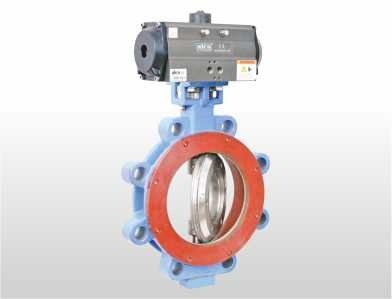
Industrial pipeline systems require reliable flow control to maintain smooth operations, manage pressure, and support efficient material transfer. Butterfly valves are widely used in these systems because of their compact construction, simple operating mechanism, and suitability for different flow-control applications. However, selecting the right valve requires careful consideration of operating conditions, material compatibility, and installation requirements.
When evaluating Butterfly Valve Suppliers in UAE, buyers should focus on product specifications, construction quality, and application suitability rather than considering price alone. A properly selected butterfly valve can support dependable operation and reduce maintenance challenges in industrial facilities.
Understanding Industrial Butterfly Valves
A butterfly valve is a quarter-turn valve that uses a rotating disc to control the movement of fluid through a pipeline. When the valve is opened, the disc rotates to allow flow. When closed, the disc turns across the flow passage to restrict or stop fluid movement.
Its relatively compact design makes it suitable for installations where space and weight are important considerations. Butterfly valves are available in different configurations, including wafer, lug, and flanged designs. Each type offers specific installation and maintenance characteristics.
Selecting the Right Valve Material
Material selection is one of the most important factors when choosing an industrial butterfly valve. The valve body, disc, stem, and seat must be compatible with the process medium and operating environment.
Common material options include:
- Cast Iron: Often used in general water distribution and compatible industrial applications.
- Ductile Iron: Offers greater mechanical strength and toughness for suitable pipeline systems.
- Stainless Steel: Selected for applications requiring corrosion resistance and compatibility with specific process media.
- Carbon Steel: Used in applications where strength and operating conditions make it suitable.
The correct material depends on fluid composition, temperature, pressure, and environmental exposure. Compatibility should always be verified before installation.
Understanding Pressure and Temperature Ratings
Every butterfly valve has defined pressure and temperature operating limits. These ratings determine whether the valve can safely handle the conditions within a particular pipeline system.
Before selecting a valve, engineers should check the maximum working pressure, operating temperature, and any pressure variations that may occur during operation.
The seat material is particularly important because temperature can affect its flexibility, sealing performance, and service life. Selecting a valve with unsuitable ratings may result in leakage, premature wear, or operational problems.
Choosing the Appropriate Valve Type
Butterfly valves are available in different connection styles to suit various pipeline arrangements.
Wafer Type: Installed between two pipeline flanges and commonly selected for compact installations.
Lug Type: Features threaded inserts or lugs that allow bolting to pipeline flanges. Depending on its design, it may support end-of-line service.
Flanged Type: Uses integrated flanges for direct connection to compatible pipeline systems.
The correct configuration depends on installation space, pipeline design, maintenance access, and system requirements.
Evaluating Disc and Seat Design
The disc and seat directly influence the valve’s sealing and flow-control performance. The disc must provide suitable strength and corrosion resistance for the process medium, while the seat must maintain an effective seal under the specified operating conditions.
Common seat materials include EPDM, NBR, and PTFE, each offering different chemical and temperature compatibility. The selection should be based on the actual application rather than assuming that one material suits every fluid.
Engineers should also consider whether the valve is intended for isolation, throttling, or another specific operating purpose. Not every butterfly valve is suitable for precise throttling across its full operating range.
Considering Actuation and Operation
Butterfly valves can be operated manually or through automated actuation systems. Manual options commonly include lever or gearbox arrangements, while automated versions may use pneumatic or electric actuators.
For automated applications, actuator torque, operating frequency, available power or air supply, and control-system compatibility should be evaluated. Correct actuator sizing helps ensure dependable opening and closing performance.
Maintenance and Long-Term Reliability
Regular maintenance helps preserve valve performance and identify potential problems before they interrupt operations. Inspection should include the valve seat, disc, stem, actuator, and external connections.
Operators should look for leakage, corrosion, unusual operating resistance, and signs of component wear. Maintenance intervals should follow the manufacturer’s recommendations and the actual operating conditions.
Proper installation and alignment are equally important because incorrect installation can affect sealing and increase mechanical stress.
Conclusion
Choosing the right industrial butterfly valve requires more than checking its size and connection type. Material compatibility, pressure and temperature ratings, disc and seat design, actuation, and maintenance requirements all influence performance. By evaluating these factors carefully, industrial buyers can select suitable butterfly valves that support reliable flow control, efficient pipeline operation, and long-term equipment performance.


