 WhatsApp Us Now

Commercial properties depend on safe, accessible, and well-maintained outdoor spaces. From customer parking areas and employee entrances to sidewalks, foundations, and structural slabs, concrete plays an important role in how a business operates every day. A properly planned concrete project can improve accessibility, support regular traffic, and create a professional appearance for visitors and customers.
However, successful concrete construction involves much more than pouring and smoothing a slab. Soil conditions, drainage, traffic demands, reinforcement, surface finishing, and construction planning all influence the final result. These factors are particularly important in Houston, where clay-rich soils, changing moisture conditions, and heavy rainfall can create challenges for exterior concrete surfaces.
For business owners, developers, and property managers, understanding these considerations makes it easier to plan a project and communicate effectively with a contractor. Cross Construction Services works with residential and commercial property owners in the Houston area, providing concrete solutions that include commercial parking lots, foundations, slabs, and other site concrete work.
Why Commercial Concrete Quality Matters
Concrete is widely used in commercial construction because it provides a solid surface for vehicles, pedestrians, and structural applications. When properly designed and installed, it can handle regular use while requiring relatively straightforward maintenance.
For businesses, the quality of concrete work affects several practical areas:
- Daily operations: Parking areas, walkways, and loading spaces need to support the activities taking place on the property.
- Customer experience: Smooth, organized exterior surfaces contribute to a more welcoming business environment.
- Accessibility: Properly planned pedestrian routes, ramps, and transitions help people move around a property.
- Property maintenance: Good preparation and drainage planning can reduce common problems associated with standing water and uneven surfaces.
- Long-term planning: Selecting appropriate materials and construction methods helps property owners make informed decisions about future maintenance.
A commercial concrete project should be planned around the property’s actual requirements rather than treated as a one-size-fits-all installation.
What Should You Know Before Building a Concrete Parking Lot?
A parking lot is one of the most frequently used exterior features of many commercial properties. Customers, employees, delivery vehicles, and service providers may use it throughout the day. That constant activity makes planning especially important.
Working with a qualified Concrete Parking Lot Contractor in Houston, TX gives property owners an opportunity to evaluate the site before construction begins. Several important considerations should be discussed during the planning stage.
1. Understand the Traffic Requirements
Not every parking lot experiences the same type of traffic. A small office property may primarily accommodate passenger vehicles, while a shopping center, warehouse, or industrial facility may experience heavier vehicle activity.
The expected traffic affects decisions such as pavement thickness, concrete specifications, reinforcement, and joint placement. Areas used by delivery trucks or service vehicles may require different structural considerations from ordinary passenger parking spaces.
Before construction, property owners should explain how the parking area will be used. Sharing information about vehicle types, traffic frequency, and designated loading areas helps the project team evaluate the requirements.
2. Evaluate the Existing Ground Conditions
The ground beneath a concrete surface is just as important as the concrete itself. If the supporting soil is unstable, poorly compacted, or affected by changing moisture conditions, the finished pavement may experience settlement or movement.
Houston’s clay-rich soils can expand when moisture increases and shrink during dry periods. These changes make site evaluation and preparation important parts of exterior construction.
Depending on the project, preparation may involve excavation, grading, moisture conditioning, and compaction. The appropriate approach should be determined by the site’s conditions and engineering requirements.
3. Plan Drainage Before Concrete Placement
Standing water can create inconvenience for customers and employees while contributing to deterioration around joints and pavement edges. A parking lot should therefore be designed with appropriate slopes and drainage arrangements.
Contractors need to consider where rainwater will flow, whether existing drainage systems can accommodate runoff, and whether the proposed grading will direct water away from buildings and pedestrian areas.
Houston receives significant rainfall throughout the year, making drainage a particularly important planning consideration. A well-considered layout can help reduce unwanted water accumulation and improve the usability of the property.
4. Consider Accessibility and Pedestrian Movement
A commercial parking lot is not only a place for vehicles. People need safe, convenient routes between parking spaces, sidewalks, entrances, and other areas of the property.
Planning may include accessible parking spaces, curb ramps, pedestrian walkways, and suitable transitions between different surfaces. Applicable accessibility requirements should be reviewed during the design stage rather than after construction is complete.
Understanding the Concrete Construction Process
A successful project follows a series of connected stages. Each stage contributes to the performance and appearance of the finished surface.
Site Inspection and Project Assessment
The process begins with understanding the property and the owner’s objectives. A contractor may review existing pavement, access points, drainage patterns, ground conditions, and the intended use of the new concrete area.
This assessment helps identify potential challenges before work begins. It also gives the property owner an opportunity to discuss project priorities, scheduling, and budget considerations.
Excavation and Sub-Base Preparation
After the site requirements have been established, the construction area may need excavation and grading. The supporting base is then prepared according to the project specifications.
Proper compaction is important because the base provides support beneath the concrete. If preparation is inadequate, the pavement may become more vulnerable to settlement and uneven movement.
Reinforcement and Concrete Placement
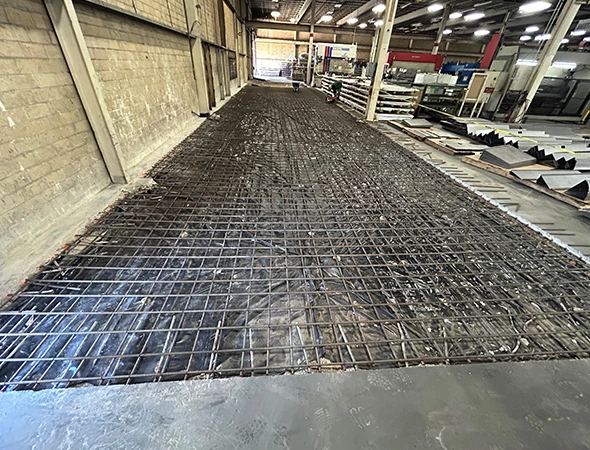
Reinforcement requirements depend on the design, expected loads, slab dimensions, and engineering specifications. Depending on the project, reinforcing steel or other reinforcement methods may be considered.
Concrete is then placed, distributed, consolidated where required, and finished to meet the intended design. Construction teams also need to pay attention to weather conditions, placement timing, and the specifications established for the project.
Jointing and Curing
Concrete naturally changes volume as it hardens and experiences temperature and moisture variations. Control joints help manage where cracking is more likely to occur.
Curing is another important stage. Concrete needs appropriate moisture and temperature conditions to develop its intended strength. The curing approach and the time before opening the surface to vehicles should follow the project specifications and professional guidance.
Why Houston’s Environment Matters for Concrete Projects
Houston’s environment creates several considerations for commercial concrete construction.
Clay soil movement: Changes in soil moisture can affect ground stability. Site preparation and suitable design details are important when working with these conditions.
Heavy rainfall: Drainage and grading should be considered before concrete placement to help manage water movement across the property.
Heat and weather changes: Temperature and weather conditions can influence concrete placement, finishing, and curing. Construction schedules should account for conditions at the time of installation.
Regular vehicle activity: Commercial surfaces need to be designed around their expected use. A parking area serving passenger vehicles may have different requirements from one used by delivery trucks or heavier equipment.
These factors demonstrate why each property should be evaluated individually. The appropriate construction method depends on the site, the intended use, and the applicable project specifications.
Beyond Parking Lots: Other Commercial Concrete Applications
Commercial properties often require several types of concrete work. Planning related improvements together can help property owners coordinate construction activities and create a more functional site.
Cross Construction Services provides commercial concrete solutions that include parking lots, foundations, slabs, and site concrete work.
Foundations and Structural Slabs
Foundations transfer building loads to the supporting ground. Their design depends on factors such as soil conditions, building requirements, structural loads, and engineering plans.
Structural slabs, footings, and other concrete elements also need to be constructed according to the project’s specifications. Careful planning is essential because these components contribute to the stability and function of a building.
Sidewalks and Pedestrian Areas
Sidewalks connect parking areas with building entrances and other parts of a property. Their layout should account for pedestrian movement, surface transitions, drainage, and accessibility.
Well-planned walkways can make commercial spaces easier to navigate for customers, employees, and visitors.
Curbs, Ramps, and Site Concrete
Curbs help define pavement edges and separate different areas of a property. Ramps and other transitions support movement between surfaces, while concrete stairs and related site features serve specific access and structural purposes.
These elements should be coordinated with the overall site layout to create a consistent and functional exterior environment.
Choosing the Right Contractor for a Commercial Project
Selecting a contractor is an important decision because the quality of the planning and installation can affect the property’s long-term use.
When evaluating contractors, consider the following questions:
- Does the contractor understand the type of commercial project you are planning?
- Can the team explain its approach to excavation and sub-base preparation?
- Will the estimate clearly identify the work included?
- Are reinforcement, jointing, drainage, and finishing requirements discussed?
- Does the contractor communicate clearly about scheduling and site access?
- Can the contractor explain how the completed surface should be maintained?
Property owners should also review applicable permits, plans, inspections, and local requirements before construction begins.
Cross Construction Services highlights site preparation, reinforcement suited to project needs, drainage considerations, and clear estimates as part of its approach to Houston concrete projects. Its commercial work includes parking lots, foundations, slabs, and other concrete applications.
How Cross Construction Services Supports Houston Property Owners
Planning commercial concrete work can involve several decisions, from understanding site conditions to coordinating construction and evaluating the finished surface.
Cross Construction Services serves Houston and nearby communities with residential and commercial concrete construction. The company’s published services include commercial parking lot construction and repair, foundations, structural slabs, and site concrete work.
For business owners and property managers considering Concrete Construction Services in Houston, TX, discussing the project’s intended use and site conditions is a practical starting point.
The company describes a process that begins with a project inquiry, followed by a site assessment and written estimate. Construction then moves through preparation, finishing, and a final walkthrough.
This step-by-step approach gives property owners an opportunity to discuss their requirements, understand the proposed scope, and ask questions before work begins.
Frequently Asked Questions
1. What factors affect the cost of a commercial concrete parking lot?
Project costs depend on the size of the area, existing site conditions, excavation requirements, base preparation, concrete specifications, reinforcement, drainage, and finishing details. Additional work, such as removing old pavement or modifying access points, may also affect the estimate.
2. How long does concrete parking lot construction take?
The timeline depends on the project size, site preparation, weather, concrete placement, curing requirements, and other construction activities. A contractor can provide a more useful schedule after evaluating the property and understanding the project scope.
3. Why is sub-base preparation important?
The sub-base supports the concrete pavement. Poor preparation or inadequate compaction can contribute to settlement and uneven surfaces. The preparation method should be selected according to soil conditions and the project’s design requirements.
4. Can an existing concrete parking lot be repaired?
In some cases, damaged sections can be repaired rather than replacing the entire surface. The appropriate solution depends on the condition of the concrete and the supporting base. A professional assessment can help determine whether localized repairs, resurfacing, or replacement is more suitable.
5. Does drainage matter for commercial concrete construction?
Yes. Proper grading and drainage planning help direct rainwater away from buildings, pedestrian areas, and other locations where standing water may cause problems. Drainage should be considered during the design and preparation stages.
6. What other commercial concrete projects can Cross Construction Services handle?
The company’s published commercial services include parking lots, foundations, building slabs, sidewalks, curbs, ramps, and other site concrete applications. Property owners can contact the company to discuss the requirements of a specific project.
Conclusion
Commercial concrete construction is an investment in the functionality, accessibility, and appearance of a property. Whether a business needs a new parking area, structural slabs, foundations, sidewalks, or other site improvements, careful planning is essential.
Soil conditions, drainage, traffic demands, reinforcement, joint placement, and curing all deserve attention before and during construction. Understanding these details helps property owners make informed decisions and evaluate contractor proposals more effectively.
Cross Construction Services provides concrete construction solutions for commercial and residential properties throughout Houston and nearby communities. If you are planning a concrete project, contact the company to discuss your site, requirements, and estimate.


