 WhatsApp Us Now


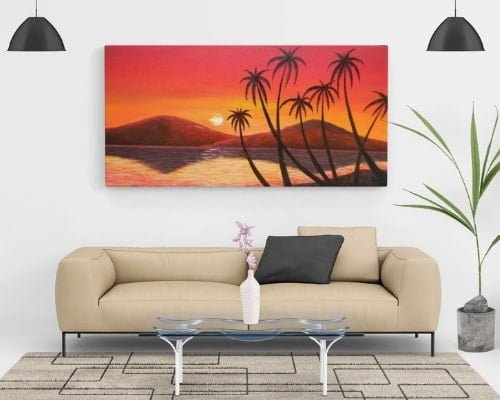
A photograph can capture a special moment, but the way it is displayed often determines how people experience it. Whether it is a family picture, a landscape, a piece of artwork or a business photograph, a well-presented image can add character to a room. Canvas printing Dubai has become a popular option for displaying photographs and artwork because it combines visual appeal with a simple, elegant finish.
Canvas prints offer a different appearance from traditional framed photographs. The textured surface gives images a more artistic feel, while the stretched canvas creates a display that can suit homes, offices, hotels, restaurants and commercial spaces. With different sizes, layouts and finishing options available, canvas printing allows people to turn their favourite images into decorative pieces that reflect their personal style.
Why Canvas Printing Dubai Is a Popular Choice for Interior Decoration
Canvas printing has become increasingly common in interior decoration because it provides a balance between appearance, flexibility and practicality. Unlike ordinary paper prints, canvas artwork has a textured surface that can add depth to an image.
The material also allows photographs to be displayed without the need for a traditional glass frame. This can create a clean appearance, particularly in modern interiors where simple decorative elements are preferred.
Canvas prints can work in different settings. A large landscape may become the main feature of a living room, while a collection of smaller photographs can create a personal display in a hallway. Businesses can also use canvas artwork to make reception areas and meeting rooms feel more welcoming.
The popularity of canvas printing is not limited to photographs. Many people use it for illustrations, digital artwork, abstract designs and decorative typography.
What Is Canvas Printing?
Canvas printing is a process in which an image is printed onto a canvas material using specialised printing equipment. The printed canvas is then commonly stretched over a wooden frame or mounted onto a suitable backing.
The material usually has a woven texture, which gives the finished image a slightly different appearance from a smooth photographic print.
How the Printing Process Works
The process begins with selecting a digital image. The image is prepared according to the required print size, colour settings and resolution.
Once the artwork is ready, it is printed onto canvas using suitable ink and printing technology. The printed material is then checked for colour consistency, image clarity and any visible defects.
After printing, the canvas may be stretched over a wooden frame. The edges can be folded around the frame to create a gallery-style appearance, or the image can be printed with additional space around the design for wrapping.
The final product is inspected before it is prepared for delivery or installation.
Common Canvas Materials
Canvas materials can vary depending on the intended use and desired finish.
- Cotton canvas: Often chosen for its natural texture and traditional appearance.
- Polyester canvas: Commonly used for decorative prints because it can provide consistent printing results.
- Cotton-polyester blends: Combine characteristics of both materials and are available in different textures.
The choice of canvas affects the appearance of the finished artwork. A more textured surface may suit artistic images, while a smoother material can be suitable for photographs with fine details.
How to Choose the Right Image for Canvas Printing
The quality of a canvas print depends heavily on the image used. A photograph that looks clear on a mobile phone may not always produce the same result when enlarged.
Before selecting an image, consider its resolution, lighting, composition and overall quality.
Image Resolution
Resolution determines how much detail an image contains. High-resolution photographs are generally more suitable for large canvas prints because they retain more detail when enlarged.
A small image taken from a website may appear blurred or pixelated when printed at a large size. For this reason, original photographs or high-quality digital files are usually better choices.
Lighting and Contrast
Images with balanced lighting often produce more pleasing results. Very dark photographs may lose detail in shadowed areas, while overexposed images can appear too bright.
A photograph with clear contrast between its main subject and background can also help the image stand out on a wall.
Colour Accuracy
Colours may look slightly different on a printed canvas compared with a computer or mobile screen. This can happen because screens use light to display colours, while printers use ink.
Businesses and individuals should consider this difference when choosing photographs with specific colour requirements.
Which Canvas Print Sizes Work Best for Different Rooms?
The size of a canvas print should complement the space where it will be displayed. A print that is too small may look insignificant on a large wall, while an over sized canvas can make a small room feel crowded.
Small Canvas Prints
Small canvas prints are suitable for bedside tables, shelves, compact office spaces and narrow wall sections.
They can also be used as part of a gallery wall, where several images are arranged together.
Medium Canvas Prints
Medium-sized canvas artwork works well in bedrooms, dining areas and home offices. It can provide a decorative feature without dominating the room.
A medium canvas is also suitable for displaying family photographs, travel memories and personal artwork.
Large Canvas Prints
Large canvas prints are often used above sofas, beds and reception desks. They can create a strong visual feature and help establish the overall style of a room.
Before ordering a large print, it is useful to measure the available wall space and consider the distance from nearby furniture.
How Canvas Printing Is Used in Homes and Commercial Spaces
Canvas artwork can serve different purposes depending on the environment. Its versatility makes it suitable for both personal decoration and professional interior design.
Home Decoration
In homes, canvas prints are commonly used to display family photographs, wedding pictures, travel memories and landscape images.
A collection of personal photographs can make a room feel more connected to the people who live there. Canvas artwork can also help introduce colours that complement furniture, curtains and other decorative elements.
Office Interiors
Offices often use canvas prints to create a more comfortable working environment. Artwork can make reception areas, meeting rooms and shared spaces feel less formal.
Some companies display photographs of their workplace, architectural images or abstract designs to create a consistent visual atmosphere.
Hotels and Restaurants
Hotels may use canvas artwork in guest rooms, corridors and lobby areas. Restaurants can display food photography, local landscapes or artwork that reflects the style of their interior.
The design should suit the atmosphere of the space rather than distract from its main purpose.
How Printing Services Dubai Support Different Canvas Requirements
Businesses and individuals often require more than one type of printed product when decorating a space or preparing an event. Printing services Dubai can include canvas artwork, photographic prints, posters, display graphics and other customised materials.
Having access to different printing options can make it easier to coordinate decorative elements across a room or commercial environment.
For example, a company preparing a new office may require canvas prints for meeting rooms, branded posters for corridors and printed graphics for its reception area. Coordinating the colours and visual style can help create a more organised interior.
When selecting a printing provider, customers should ask about available canvas materials, maximum print sizes, finishing options and image preparation requirements.
It is also useful to understand whether the final product includes a wooden frame, hanging hardware or protective packaging.
What Is the Difference Between Canvas Printing and Photo Printing?
Canvas printing and traditional photo printing both reproduce digital images, but they create different visual effects.
Traditional photo prints are usually produced on smooth photographic paper. They can provide sharp detail and a glossy, semi-gloss or matte finish.
Canvas prints use a woven material that gives the image a textured appearance. The texture can make photographs look more like paintings or decorative artwork.
Canvas prints are displayed without glass, while traditional photographs may be placed inside frames with glass or acrylic protection.
The best option depends on the image and the intended display. Photographs requiring very fine detail may suit photographic paper, while decorative images and artistic designs can work particularly well on canvas.
How to Maintain Canvas Prints and Keep Them Looking Good
Canvas prints can last for many years when they are handled and displayed properly. However, environmental conditions and cleaning methods can affect their appearance over time.
Avoid Direct Sunlight
Continuous exposure to strong sunlight may cause colours to fade. Canvas artwork should ideally be placed away from windows where direct sunlight reaches the surface for long periods.
If the print must be displayed in a bright area, consider using a location with indirect natural light.
Keep the Canvas Dry
Moisture can affect the canvas material and wooden frame. Avoid placing canvas prints in areas where they may regularly come into contact with water or excessive humidity.
Bathrooms and kitchens may require more careful placement because steam and moisture can affect the material.
Clean the Surface Carefully
Dust can collect on canvas over time. A soft, dry cloth or a gentle brush can help remove light dust without damaging the printed surface.
Avoid using strong cleaning chemicals, wet cloths or excessive pressure. These methods may affect the ink or canvas texture.
Handle the Frame Properly
When moving a canvas print, hold it by the frame rather than pressing against the printed surface. This helps prevent marks, dents and unwanted stretching.
Large canvas prints should be handled carefully to avoid bending the wooden frame.
What Should You Check Before Ordering a Canvas Print?
Before placing an order, it is helpful to review a few important details to avoid disappointment.
Image quality: Make sure the original image has enough resolution for the selected size.
Print dimensions: Confirm the width and height of the canvas and check how much wall space is available.
Frame construction: Ask the canvas is stretched over a wooden frame and the frame is included in the price.
Edge design: Decide whether the image should continue around the sides of the frame or have plain edges.
Colour appearance: Check whether the printing process can reproduce the colours and contrast required for the image.
Delivery and packaging: Large canvas prints need suitable packaging to protect the surface and frame during transportation.
These details can help ensure that the final artwork meets expectations and fits the intended space.
Why Canvas Prints Make Thoughtful Personal Gifts
Canvas prints can also be meaningful gifts because they allow people to display photographs connected to important memories.
A wedding photograph, family portrait, graduation picture or travel image can become a lasting decorative item. Unlike many temporary gifts, a canvas print can remain part of someone’s home for years.
For birthdays, anniversaries and housewarming occasions, personalised canvas artwork offers a way to create something connected to the recipient’s interests or experiences.
The most successful designs usually feature a clear image and a layout that suits the person’s taste. A simple photograph can often have more emotional value than an elaborate design.
Conclusion
Canvas printing offers a practical and attractive way to display photographs, artwork and personal memories. Its textured surface, flexible sizing and different finishing options make it suitable for homes, offices, hotels and commercial interiors.
Choosing the right image, material and print size can make a significant difference to the final result. Proper placement and regular care also help preserve the appearance of canvas artwork over time.
Whether used for interior decoration, business displays or personalised gifts, canvas prints provide a simple way to turn digital images into physical displays that people can enjoy every day.


