 WhatsApp Us Now

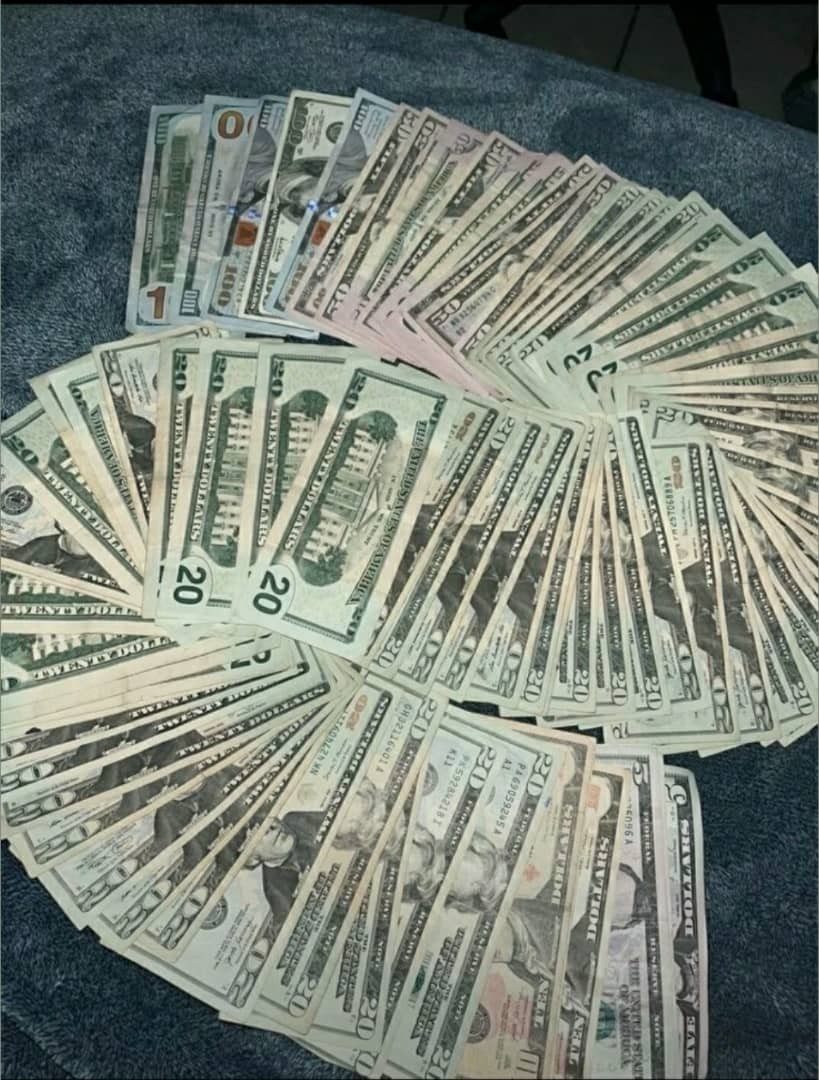
Did you know that thousands of counterfeit bills enter daily circulation, often passing through multiple hands before anyone notices a problem? You might receive cash at a busy market or a garage sale without thinking twice about its origin. Learning how to identify legitimate currency is a practical skill that protects your finances from avoidable losses.
Many high quality fakes look excellent at a distance but they fail under close inspection. You do not need expensive tools to verify your cash. Your own senses are the most effective defense against fraud if you know exactly where to focus your attention. When you feel or see something unusual, follow a systematic process to confirm your suspicions.
Physical Checks for Genuine Currency
The texture of a bill is often the first clue that something is wrong. Real currency is not paper in the traditional sense – it is a blend of cotton and linen fibers – this material feels slightly rough and durable, whereas many fakes feel smooth, waxy or similar to standard office paper. You can often detect a counterfeit just by the way it slides between your fingers.
Run your fingernail across the portrait on the bill – You should feel distinct ridges from the “raised printing” process – this intaglio printing is difficult for cheap printers to replicate. If the surface is entirely flat or lacks that characteristic sandpaper feel, you are likely holding a fraudulent note. You can find more details on these tactile differences in this guide on undetectable counterfeit banknotes and how to spot fake money.
Visual Security Features to Inspect
Hold the note up to a bright light source to reveal hidden elements. A faint image of the person on the front should appear in the blank space on the right side – this watermark is part of the paper itself, not printed on top. If the watermark is missing or looks like a dark, heavy stamp, the bill is suspicious.
Look for the security thread, which is a thin vertical strip embedded in the fabric – this thread glows a specific color under ultraviolet light depending on the denomination
- $5 bills glow blue.
- $10 bills glow orange.
- $20 bills glow green.
- $50 bills glow yellow.
- $100 bills glow pink.
Check the color shifting ink on the bottom right corner – When you tilt the bill back and forth, the numeral should change from copper to green – this effect is a standard feature on most modern denominations. To understand specific markers for different eras of cash, read this breakdown of how to tell if a 100 bill is fake using new and old checks.
Advanced Technology in Modern Bills
The $100 bill features a 3D Security Ribbon woven into the paper. As you move the note, the bells and 100s inside the blue ribbon move side to side or up and down – this feature is extremely complex and involves thousands of micro lenses. If the ribbon is just a flat blue line printed on the surface, the note is a fake.
Microprinting is another hurdle for counterfeiters – Genuine bills contain tiny words that are legible only under a magnifying glass. You can find these small strings of text around the portrait or inside the borders. Low resolution copies usually turn the words into a blurry, solid line. High quality counterfeit money often struggles to maintain the sharpness of these miniature details.
Understanding Legal Reproductions & Props
Not every unusual bill is an attempt at a crime – Movie sets and magic shows use prop money that looks realistic from a distance but contains clear legal markings – these bills often have phrases like “For Motion Picture Use Only” or “This Is Not Legal Tender” printed on them. They lack the security features found in real currency to comply with federal laws.
Be careful when buying items for play or film – If you need realistic items for a project, look for the most realistic prop money that is actually legal – these versions avoid legal trouble – maintaining specific size and color differences that prevent them from being mistaken for real cash in a transaction.
FAQ
What should I do if I receive a fake bill?
Do not return it to the passer – Observe their description and contact local law enforcement or the Secret Service immediately. Handling the bill as little as possible helps preserve fingerprints for investigators.
Do counterfeit detector pens always work?
No, these pens only detect the presence of starch in wood based paper. Sophisticated counterfeiters use “bleached” bills (real lower denominations reprinted as higher ones) which pass the pen test because the paper is genuine.
Can I get my money back if I turn in a counterfeit?
Unfortunately, there is no financial reimbursement for turning in fake currency. It is a loss for the holder, which is why checking your cash during the initial exchange is so important.
Are older bills still valid if they lack new security features?
Yes, all U.S. currency remains legal tender regardless of when it was issued. Older bills are often easier to counterfeit – they usually receive more scrutiny from bank tellers and cashiers.


