 WhatsApp Us Now

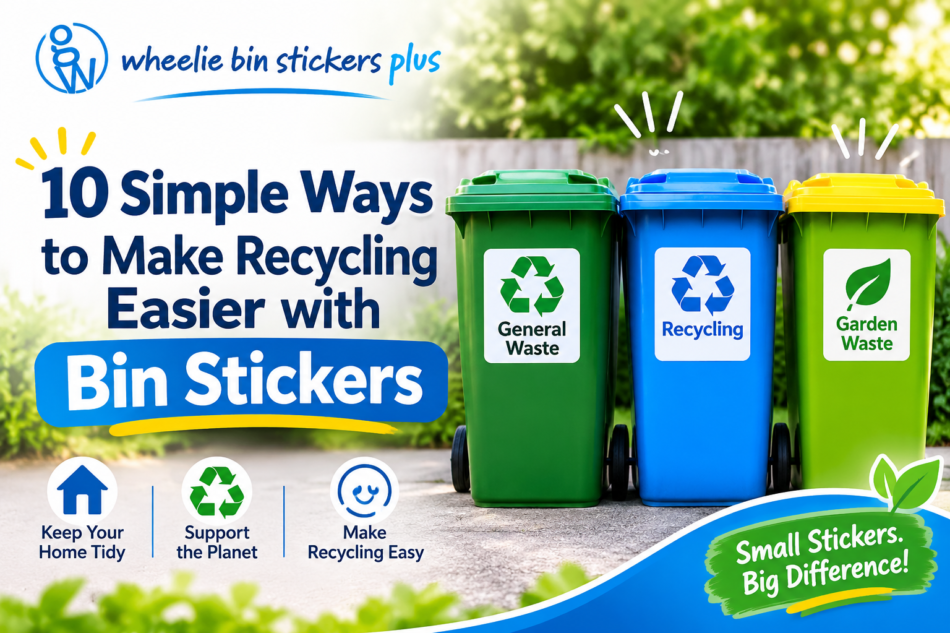
Recycling is a small everyday habit that can make a positive difference to our environment. However, sorting household waste is not always as simple as it sounds. Between food packaging, cardboard, glass bottles and general rubbish, it can be difficult to remember which items belong in each bin.
For busy families, having a simple and organised waste management system can save time and reduce confusion. One practical solution is to use clear recycling labels that help everyone understand where different materials should go.
Whether you live in a family home, apartment or shared property, the right recycling stickers for bins can make everyday waste sorting easier. Here are 10 simple ways to create a more organised recycling routine while adding a little personality to your home.
1. Clearly Label Each Waste Bin
One of the easiest ways to improve recycling at home is to give every bin a clear purpose. Separate containers for general rubbish, paper, cardboard, glass and other accepted recyclables can help prevent confusion.
Use simple labels with readable text and recognisable symbols. When everyone can quickly identify the correct bin, sorting waste becomes less of a daily challenge.
2. Make Recycling Easier for Children
Children can develop better environmental habits when recycling is easy to understand. Instead of giving lengthy instructions, use colourful labels and simple pictures to show them where different items belong.
For example, a picture of a cardboard box can help children identify the appropriate recycling container. You can also make waste sorting a fun family activity by allowing children to help organise recyclable materials.
3. Use Colour-Coded Recycling Labels
Colours can make waste sorting more straightforward, especially when several bins are kept together.
Choose different colours for different waste categories, but make sure the labels also include clear words or symbols. This is important because not everyone identifies waste categories by colour alone.
Before choosing your labels, check your local council’s recycling guidelines to ensure your system matches the materials accepted in your area.
4. Choose Durable Stickers for Waste Bins
Outdoor bins experience plenty of wear and tear. Sunlight, rain, dust and regular handling can affect the appearance of ordinary labels.
When choosing stickers for waste bins, look for options designed for outdoor use. Durable materials and suitable adhesives can help labels remain readable for longer.
It is also worth cleaning and drying the bin surface before applying a sticker. This simple preparation can help improve adhesion and keep the label looking neat.
5. Organise Your Outdoor Bin Area
An organised outdoor space makes household waste management more convenient. If several bins are stored together, clear identification can help family members and visitors find the correct container.
Place labels where they are easy to see and keep bins in a consistent order. You can also create a small designated area for recycling containers to make waste disposal more manageable.
6. Make Recycling Easier in Shared Spaces
Apartment buildings, schools and workplaces often have multiple people using the same waste containers. Without clear instructions, recyclable materials can easily end up in general rubbish.
Using recycling stickers for bins in shared spaces helps communicate how each container should be used. Larger labels with straightforward instructions can make the system easier for everyone to follow.
For workplaces, consider placing a short recycling guide near the bins to explain which materials are accepted.
7. Personalise Your Bins with Creative Designs
Practical labels do not have to look plain. Personalised designs can make ordinary wheelie bins more distinctive while helping households recognise their own containers.
For Australians who enjoy adding a personal touch to everyday belongings, Aussie flag stickers can be a fun way to show national pride. They can also complement other decorative details around outdoor spaces.
The key is to balance appearance with practicality. Keep important waste identification labels clear and easy to read.
8. Give Your Home a Fresh Look with Decorative Details
A well-maintained home is not just about the furniture and interior decorations. Small details around windows, doors and outdoor areas can also influence the overall appearance of a property.
For example, coloured glass film for windows can introduce decorative colours and patterns while offering varying levels of privacy, depending on the product. It can be a useful option for refreshing selected glass surfaces without replacing the windows.
Similarly, personalised stickers and neatly labelled bins can help make everyday household spaces feel more organised.
9. Check and Replace Worn-Out Labels
Even durable outdoor stickers may eventually need replacing. Fading, peeling edges or damaged wording can make labels harder to recognise.
Check your bin labels occasionally, especially after periods of harsh weather. Replace any stickers that are no longer easy to read.
A quick inspection helps maintain a consistent waste sorting system and prevents confusion among household members.
10. Build Recycling into Your Daily Routine
The most effective recycling system is one that everyone can follow without difficulty.
Keep bins in convenient locations, use clear labels and encourage family members to separate waste as they go. You can also place a small reminder near the kitchen or outdoor bin area.
Remember that recycling rules differ between councils, so always follow local guidance about accepted materials and collection requirements.
Final Thoughts
Making recycling easier does not require complicated changes or expensive equipment. Simple improvements, such as clearly labelled bins, durable outdoor stickers and an organised waste area, can make a noticeable difference to everyday routines.
From helping children understand waste sorting to keeping shared spaces organised, recycling stickers for bins offer a practical way to communicate better waste habits.
You can also bring more personality into your surroundings with decorative options such as Aussie flag stickers and coloured glass film for windows. With a little planning, it is possible to create a home that feels more organised, practical and welcoming while encouraging responsible everyday habits.
make meta title and descriptionm for this


