 WhatsApp Us Now

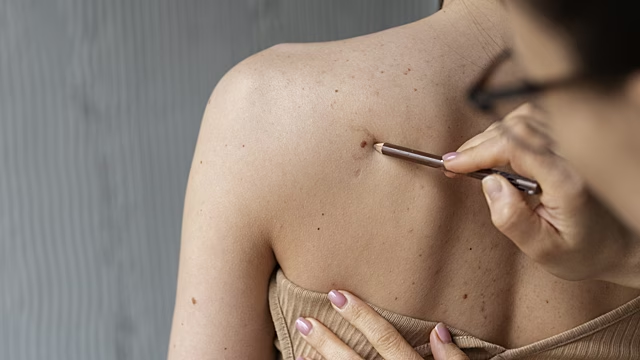
Skin tags are small, soft growths that commonly appear on areas where skin rubs against itself or clothing. They are generally harmless, but their appearance and location can cause discomfort or self-consciousness for some individuals. Many people explore Skin Tag Removal in Dubai to address concerns about visible growths, repeated friction, or irritation during everyday activities. Although skin tags rarely require medical attention, understanding their characteristics can help people make informed decisions about their skin health.
Can Skin Tag Removal Address Appearance-Related Concerns?
Visible skin tags can affect how comfortable people feel about their appearance, particularly when the growths develop on exposed areas such as the neck, face, or eyelids. Some individuals become concerned about these small growths when they notice them in photographs or while applying skincare products.
Personal preferences also influence how people view skin tags. While some consider them a normal feature of their skin, others prefer to have noticeable growths assessed.
Why Do Skin Tags Develop in Certain Areas?
Skin tags frequently develop in areas exposed to repeated friction, including the neck, underarms, groin, and beneath the breasts. Common areas where skin tags may appear include:
- Neck: Collars, necklaces, and frequent skin contact can contribute to irritation.
- Underarms: Movement and friction may make growths uncomfortable.
- Eyelids: Small growths can become noticeable and may interfere with personal grooming.
- Skin folds: Warmth, moisture, and rubbing can increase irritation.
- Upper chest: Visible growths may concern individuals who prefer an even-looking complexion.
Does Skin Tag Removal Help With Friction and Irritation?
Skin tags located in areas of frequent movement can occasionally become irritated by clothing, jewellery, shaving, or everyday grooming. A growth beneath an arm, for example, may rub against clothing or surrounding skin. Similarly, tags around the neck can catch on necklaces or shirt collars.
Persistent discomfort, bleeding, sudden changes, or inflammation should be evaluated by a qualified healthcare professional before any decision is made about removing the growth.
How Can Skin Tags Affect Personal Confidence?
Personal confidence is another common concern associated with visible skin tags. Although these growths are usually harmless, individuals may feel uncomfortable when they appear in prominent locations.
These feelings are personal, and there is no single correct way to respond to a skin tag. Some individuals do not mind its presence, while others prefer to discuss available options with a healthcare professional. Understanding that skin tags are common and generally non-threatening can help reduce unnecessary embarrassment.
Are All Skin Growths Actually Skin Tags?
Not every small bump or hanging growth on the skin is a skin tag. Other conditions, including warts, moles, seborrheic keratoses, and certain less common skin lesions, can have similar appearances. Assuming that every growth is harmless may lead to inappropriate self-treatment.
A healthcare professional can assess a suspicious or unfamiliar growth and determine whether further examination is necessary. Particular attention is important when a lesion changes in size, shape, or colour, develops an irregular appearance, or bleeds without an obvious reason.
What Everyday Concerns Should People Consider?
People considering skin tag removal may have questions about comfort, skin sensitivity, and the possibility of irritation. Useful considerations include:
- Whether the growth repeatedly catches on clothing or jewellery.
- Whether it causes discomfort during shaving or personal grooming.
- Whether its appearance creates ongoing cosmetic concerns.
- Whether the growth has changed or developed unusual characteristics.
- Whether a healthcare professional has confirmed that it is a skin tag.
Why Is Professional Assessment Important?
Professional assessment helps distinguish ordinary skin tags from growths that may require a different form of care. This is particularly important when a lesion appears unusual, becomes painful, changes noticeably, or develops unexplained bleeding.
Self-diagnosis can be unreliable because several skin conditions share similar visual features. Attempting to cut, pull, or burn off a growth at home can also cause bleeding, infection, irritation, or scarring. A careful approach prioritizes skin health and accurate identification instead of treating every raised lesion as a cosmetic issue.
Can Skin Tag Removal Address Hygiene and Grooming Difficulties?
Skin tags in certain locations may complicate grooming habits. Growths around the underarms can become irritated during shaving, while those near the neck may catch on clothing or accessories. Individuals may also find that some skincare products or grooming tools rub against sensitive areas.
These concerns do not mean that every skin tag needs attention. Gentle skincare, reduced friction, and avoiding unnecessary manipulation can help limit irritation.
What Should People Know About Skin Health Afterward?
General skin care remains important for anyone concerned about skin tags or other raised growths. Keeping the skin clean, avoiding excessive friction, and paying attention to unusual changes can support everyday skin health. Individuals should also avoid unverified home remedies marketed as simple solutions for unwanted growths.
Regular awareness of changes in the skin and appropriate professional guidance can help individuals respond to concerns sensibly without unnecessary experimentation.
Final Thoughts
Skin tag removal can be relevant to several common concerns, including visible growths, repeated friction, grooming difficulties, and personal discomfort. Although skin tags are usually harmless, their location and appearance can influence how individuals feel about them. Understanding these concerns helps people make decisions based on their own preferences and skin health needs.


