 WhatsApp Us Now

Introduction
Workshops and industrial facilities carry out a wide variety of maintenance activities every day. These activities may involve inspecting machinery, servicing equipment, checking electrical installations, and repairing different components. While fixed lighting systems illuminate general working areas, they may not always reach every corner of a machine or service compartment.
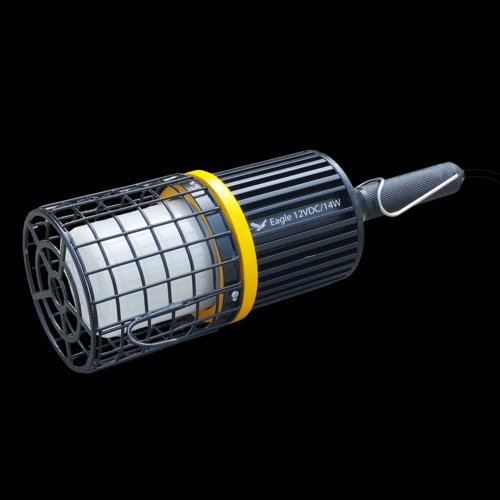
This is where portable lighting becomes valuable. An LED Hand Lamp provides a convenient source of illumination that employees can carry directly to the location where additional light is required.
For maintenance teams, having suitable portable lighting equipment can make routine tasks more manageable. It also provides flexibility when workers need to move between different machines or workstations.
Why Workshops Need Portable Lighting
Workshops frequently contain equipment of different sizes and designs. Some machines have internal compartments, narrow spaces, or sections positioned away from overhead lights.
During repair work, technicians may need to examine specific areas closely. A portable light can be directed towards the required component instead of depending entirely on the room’s lighting arrangement.
Portable lighting can be useful during:
- Machine servicing and repair.
- Electrical equipment inspection.
- Automotive maintenance.
- Mechanical assembly examination.
- Routine workshop checks.
- Industrial equipment troubleshooting.
The equipment selected should match the nature of the work and the environmental conditions.
What Makes an LED Hand Lamp a Useful Workshop Tool?
An LED Hand Lamp combines portability with LED-based illumination. Its design allows workers to carry it and position it according to their immediate requirements.
Several characteristics make this type of lighting equipment practical.
Portability and Convenience
The ability to carry a light source between workstations is useful for employees who handle multiple maintenance jobs. A portable design can reduce dependence on permanently installed lighting for localized tasks.
Focused Illumination
Workers can position the lamp close to the area requiring attention. This is helpful when examining machine parts, electrical components, and other equipment surfaces.
LED-Based Operation
LED technology is widely used in modern lighting products because it can provide efficient illumination in compact designs. Product performance depends on the LED specifications and overall construction.
Flexible Applications
A portable lamp may be useful in manufacturing plants, engineering workshops, garages, service centres, and maintenance departments.
Applications in Manufacturing Facilities
Manufacturing facilities depend on machinery and electrical systems for their daily operations. Regular inspection helps maintenance teams identify visible issues and carry out necessary servicing.
Portable lamps can assist in different areas.
Production machinery: Technicians may require additional lighting when examining machine assemblies and service compartments.
Electrical control equipment: Panel inspections may require a focused light source to improve visibility around internal components.
Mechanical equipment: Workers can direct illumination towards parts that are difficult to see under normal room lighting.
Maintenance workshops: Portable lighting can be used for repair and inspection tasks involving different types of industrial equipment.
Choosing Suitable Portable Lighting for Industrial Use
Not every portable lamp is appropriate for every working condition. A buyer should evaluate the actual application before making a purchase.
Check the Lighting Output
Brightness requirements vary depending on the size of the area and the work being performed. Detailed inspection may require a different lighting arrangement from general maintenance work.
Review Electrical Specifications
Always verify the voltage, power consumption, and other electrical details. Using equipment with unsuitable electrical ratings can create operational and safety concerns.
Consider the Lamp’s Construction
A practical body design should support convenient handling. Buyers should examine the material, grip, dimensions, and overall product construction.
Understand the Power Source
Some portable lamps use rechargeable power systems, while others may operate through a specified electrical supply. Consider the availability of power and the duration of use.
Examine Environmental Suitability
Industrial environments differ significantly. A lamp used in a clean workshop may have different requirements from equipment used in a dusty or humid area. Check the manufacturer’s stated suitability.
Safety Considerations When Using Portable Lamps
Portable lighting supports visibility, but it should always be used according to workplace safety procedures.
Workers should inspect the equipment before use and avoid operating lamps with damaged cables, connectors, or housings. Electrical isolation procedures must be followed before accessing electrical equipment.
In areas with flammable gases, vapors, or combustible dust, only equipment specifically approved for the relevant hazardous-area classification should be used.
Workers should also avoid placing cables where they may create tripping hazards or come into contact with moving machinery.
Proper training and adherence to product instructions are important for safe operation.
How to Improve the Management of Workshop Lighting Equipment
Businesses can improve maintenance organization by keeping portable lighting products in designated locations.
A simple equipment management routine may include:
- Assigning lamps to specific maintenance departments.
- Checking their condition before use.
- Following the recommended charging or power-supply procedures.
- Keeping storage areas clean and accessible.
- Recording damaged or non-operational equipment.
- Replacing unsuitable equipment when necessary.
Such practices help ensure that portable lighting remains available when required.
Why Product Specifications Matter
Purchasing decisions should be based on verified product information rather than assumptions. Technical specifications help buyers understand whether a particular lamp is suitable for their workplace.
Important details include rated voltage, wattage, lighting performance, dimensions, construction, and operating instructions.
Mimic Products offers portable hand lamp options for industrial and maintenance applications. Buyers can review the available category and compare the product information with their requirements.
Frequently Asked Questions
1. Is an LED Hand Lamp suitable for factory maintenance?
It can be used for additional illumination during machinery inspection, equipment servicing, and other maintenance activities.
2. Can portable lamps replace fixed factory lighting?
No. They are generally intended to supplement existing lighting rather than replace properly designed general illumination.
3. What should maintenance teams consider before selecting a lamp?
They should review brightness, voltage, power supply, portability, construction, and environmental suitability.
4. Why should industrial lamps be inspected regularly?
Regular inspection helps identify visible damage and ensures that equipment remains suitable for use.
Conclusion
Portable lighting is a useful part of workshop and factory maintenance planning. An LED Hand Lamp provides flexible illumination for employees who need to examine machinery, electrical panels, and equipment in locations where fixed lighting is insufficient.
By evaluating product specifications, operating conditions, and maintenance requirements, businesses can select suitable lighting equipment for their teams. Mimic Products provides hand lamp solutions for industrial users looking for convenient portable lighting options.
Also Visit:
LED Hand Lamp for Industrial Workplaces: Improving Visibility in Maintenance and Inspection Tasks


