 WhatsApp Us Now

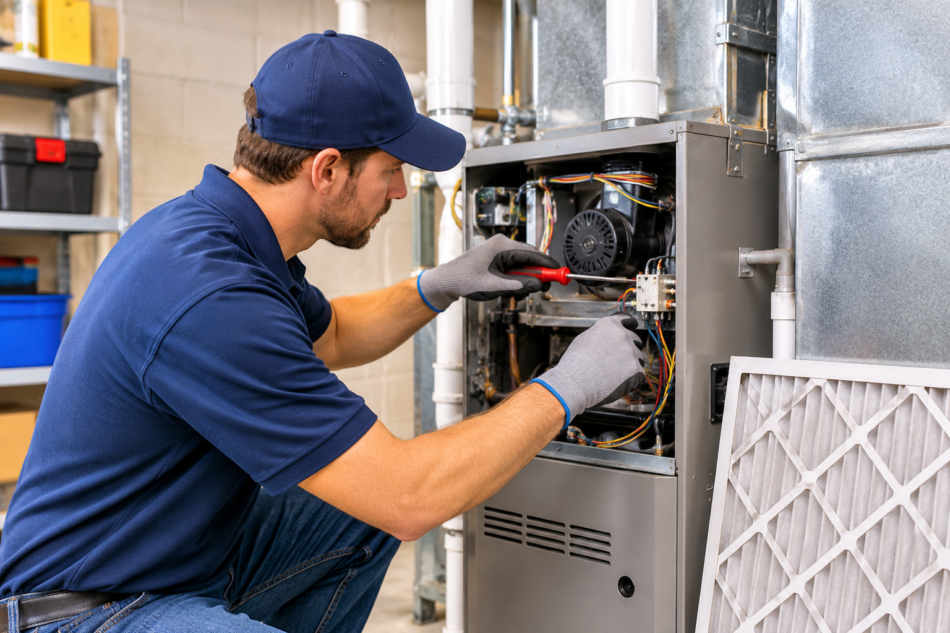
A dependable furnace is essential for keeping your home comfortable during the cold months in Rock Island, IA. Your heating system works harder when outdoor temperatures drop, and neglected components can affect airflow, efficiency, and overall performance. Routine maintenance gives you an opportunity to identify developing problems before they interfere with your home’s comfort.
For homeowners considering furnace maintenance in Rock Island, IA, regular service is an important part of responsible heating system care. Maintenance involves more than replacing an air filter. A thorough inspection examines the furnace’s key components, checks safety controls, evaluates airflow, and identifies parts showing signs of wear. Taking care of these areas helps your furnace operate reliably when you need it most.
Why Furnace Maintenance Matters
A furnace contains several components that work together to heat and distribute air throughout your home. Dust, restricted airflow, worn electrical components, dirty burners, and other issues can interfere with that process. Small problems that go unnoticed can eventually lead to poor heating performance or unexpected repairs.
Routine maintenance helps you:
- Identify worn or damaged components
- Maintain proper airflow
- Keep safety controls functioning properly
- Improve heating consistency
- Detect unusual operating conditions early
- Reduce the risk of unexpected breakdowns
Regular service also gives you a clearer picture of your furnace’s condition. If a major component is approaching the end of its useful life, knowing in advance gives you time to plan rather than dealing with an emergency during severe weather.
Important Furnace Maintenance Tasks
Replace or Inspect the Air Filter
A clogged filter restricts airflow and forces the furnace to work harder. Check your filter regularly and replace or clean it according to the manufacturer’s recommendations. Homes with pets, smokers, or higher dust levels often require more frequent filter attention.
Check the Blower and Airflow
The blower moves heated air through your home’s ductwork. A technician can inspect the blower assembly and evaluate airflow to determine whether the system is distributing heat effectively. Restricted airflow can contribute to uneven temperatures and increased strain on the furnace.
Inspect Electrical and Safety Components
Furnaces contain electrical connections, controls, switches, and safety devices that require careful inspection. A professional technician can check these components for signs of wear, loose connections, or abnormal operation and address problems before they become more serious.
Examine Burners and Heat Exchanger
For gas furnaces, clean and properly functioning burners are important for reliable combustion. The heat exchanger also deserves careful inspection because damage or cracks can create serious safety concerns. A damaged heat exchanger can allow carbon monoxide to enter your home’s air supply. Install carbon monoxide detectors near sleeping areas and on each level of your home, and test them regularly. These components should be evaluated by a qualified professional rather than handled as a DIY repair.
Check the Flame Sensor and Condensate Drain
The flame sensor helps confirm that a gas furnace’s burner has ignited properly. A dirty or faulty flame sensor can cause ignition problems or repeated furnace shutdowns, so a technician should inspect and clean it when necessary.
High-efficiency furnaces also have a condensate drain that removes moisture produced during operation. A clogged drain can interfere with furnace performance, while a drain located in an unheated space may freeze during cold weather. Regular inspection helps identify blockages and potential freezing problems.
Review the Furnace Efficiency Rating
A furnace’s efficiency rating indicates how effectively it converts fuel into usable heat. For gas furnaces, the Annual Fuel Utilization Efficiency (AFUE) rating expresses the percentage of fuel converted into heat over a typical heating season. A technician can help you understand your furnace’s rating and whether its operating performance suggests a need for further inspection.
Warning Signs Your Furnace Needs Attention
Your furnace often provides noticeable clues when something is wrong. Contact a qualified HVAC professional if you notice:
- Uneven heating between rooms
- Frequent cycling
- Unusual banging, rattling, or squealing sounds
- Weak airflow from supply vents
- A sudden increase in heating costs
- Persistent unusual odors
- Difficulty starting or maintaining operation
Do not ignore repeated warning signs. Prompt inspection helps determine whether the problem involves airflow, controls, electrical components, ignition, or another part of the system.
Prepare Your Furnace for Rock Island Winters
Scheduling maintenance before heavy winter use gives your furnace a better opportunity to perform reliably during periods of increased demand. Keep supply and return vents unobstructed, replace filters as needed, and make sure the area around the furnace remains clear.
Professional maintenance should complement these simple homeowner tasks. A trained technician has the equipment and knowledge needed to inspect internal components and evaluate furnace operation safely.
Keep Your Heating System Ready
Regular furnace maintenance in Rock Island, IA is a practical way to support reliable heating, identify developing problems, and maintain a comfortable home throughout the winter. Instead of waiting for unusual noises, poor airflow, or a complete breakdown, make maintenance part of your seasonal home-care routine.
If your furnace is due for service or showing signs of reduced performance, schedule a professional inspection before the next period of extreme cold. Timely maintenance helps you address problems early and keep your home prepared for Rock Island’s heating season.


