 WhatsApp Us Now

Flooding can cause extensive damage to residential and commercial properties. Heavy rainfall, overflowing drains, plumbing failures, and natural disasters can allow water to enter buildings and affect floors, walls, furniture, and personal belongings. Even after standing water disappears, moisture may remain trapped inside building materials and create additional problems. Professional flood damage repair helps address the damage, remove affected materials, and restore the property.
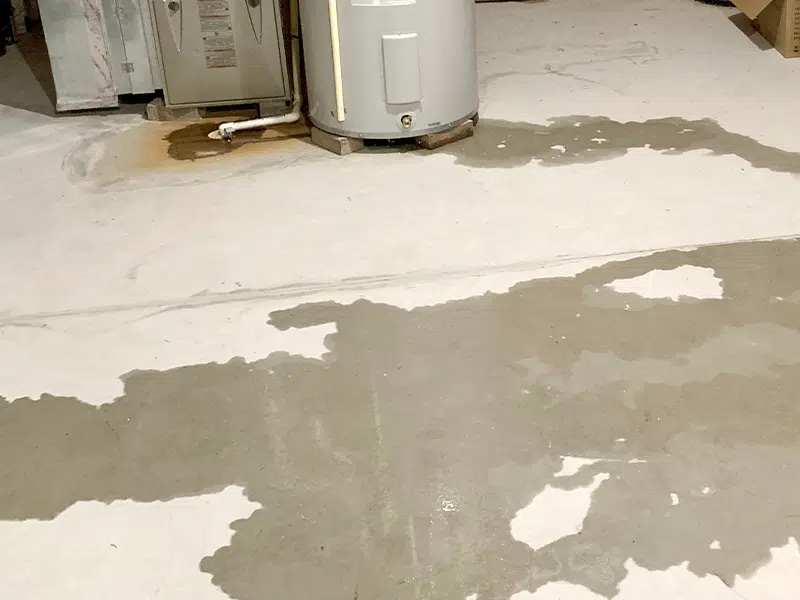
Common Causes of Flood Damage
Flood damage can happen for several reasons, depending on the property’s location, plumbing system, and surrounding conditions. Heavy rainfall and overflowing rivers can introduce large amounts of water into homes and businesses. Poor drainage systems may also allow water to collect around foundations and enter basements or ground-level rooms.
Indoor flooding is another common problem. Burst pipes, broken water supply lines, overflowing toilets, and malfunctioning appliances can release water into different areas of a building.
Regardless of the cause, identifying the source of flooding is an important first step. Repairs should address the underlying problem to reduce the risk of future water intrusion.
Signs Your Property Needs Flood Damage Repair
Some signs of flood damage are easy to notice, such as standing water, wet carpets, damaged furniture, and visible stains on walls. However, other problems may develop beneath flooring, behind drywall, or inside insulation.
You may notice peeling paint, swollen wooden surfaces, soft drywall, loose floor tiles, or persistent musty odors. These signs can indicate that moisture remains inside the property.
Floodwater may also damage electrical systems, appliances, and structural components. If you suspect these areas have been affected, avoid using damaged equipment and arrange a professional assessment.
Why Prompt Flood Damage Repair Is Important
Delaying flood cleanup can allow moisture to spread and cause further deterioration. Wood, drywall, carpets, and insulation can absorb water, making them difficult to restore without proper treatment.
Lingering moisture can also create conditions that support mold growth. This may result in additional cleanup requirements and repairs.
Professional flood damage repair helps identify affected materials, remove standing water, and begin the drying process. Addressing these issues promptly can reduce secondary damage and help make the restoration process more manageable.
Steps Involved in the Flood Damage Repair Process
The process generally begins with a property inspection. Restoration professionals assess the affected rooms, identify possible safety concerns, and determine how far the water has spread.
The next step involves water extraction. Specialized pumps and extraction equipment help remove standing water from floors, carpets, and other affected areas. After extraction, commercial air movers and dehumidifiers help dry the building materials and reduce excess moisture.
Damaged materials are then evaluated to determine whether they can be cleaned and restored or need replacement. Depending on the situation, this may involve removing wet drywall, damaged insulation, flooring, or other materials that cannot be safely restored.
Once the affected areas are properly dried and cleaned, repair and reconstruction work can begin. This may include replacing flooring, repairing walls, repainting surfaces, and restoring damaged rooms.
Flood Damage Repair for Homes and Businesses
Flooding can affect residential and commercial properties in different ways. Homeowners may need repairs to basements, kitchens, bathrooms, bedrooms, and living areas. Personal belongings, furniture, carpets, and household equipment may also require cleaning or replacement.
For businesses, flooding can damage inventory, office equipment, storage areas, and customer spaces. It may also interrupt normal operations until cleanup and repairs are completed.
A suitable restoration plan should consider the building’s condition, the type of water involved, and the materials affected. Professional assessment helps determine which services are necessary for the property.
How to Choose a Reliable Flood Damage Repair Company
Selecting an experienced restoration provider is important after flooding. Look for a company that offers water extraction, structural drying, damage assessment, cleanup, and reconstruction services.
Ask about its inspection process, equipment, and experience handling similar restoration projects. Review customer feedback and verify relevant business and insurance details.
You should also request a clear estimate that explains the recommended work and potential additional repairs. If you are filing an insurance claim, document visible damage from a safe location and contact your insurance provider about coverage and claim requirements.
How to Reduce the Risk of Future Flood Damage
Preventive maintenance can help reduce the chances of water entering your property. Keep gutters and downspouts clear, inspect plumbing connections regularly, and address leaks before they become major problems.
Make sure outdoor drainage directs rainwater away from the foundation. Check basement walls and floors for cracks or signs of moisture, and consider appropriate water detection devices near appliances and plumbing fixtures.
After severe weather, inspect your property for signs of water intrusion when it is safe to do so. Early attention to drainage and plumbing problems can help prevent more extensive damage.
Conclusion
Flooding can affect multiple parts of a property and lead to problems that continue even after visible water has been removed. Professional flood damage repair helps extract water, dry affected materials, address damaged structures, and restore usable spaces. Whether flooding results from heavy rainfall, plumbing failures, or drainage problems, taking action early can help limit additional damage and support a more effective recovery.
