 WhatsApp Us Now

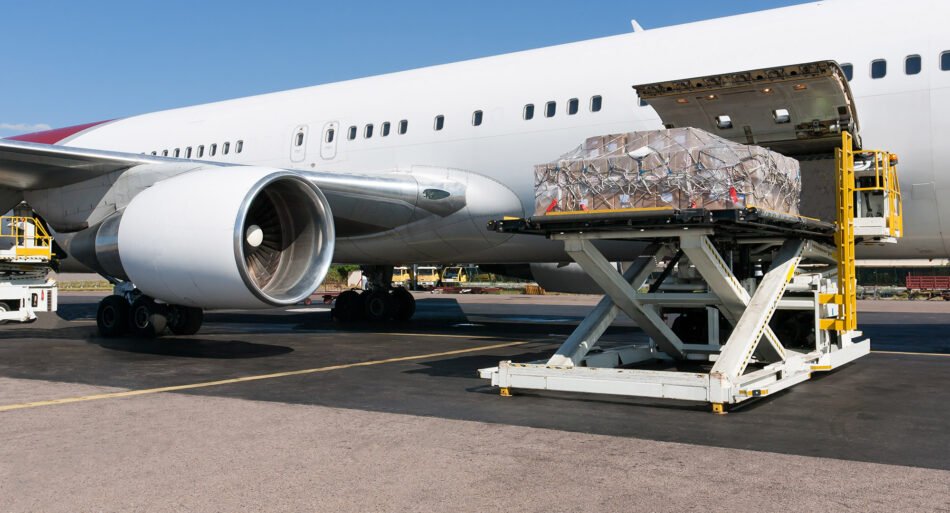
A shipment leaving one country must pass through several connected systems before reaching its buyer. Consider a manufacturer sending precision equipment overseas. The goods need suitable packaging, transport arrangements, export documentation, airport handling, customs processing, and delivery coordination. Air cargo transportation brings these stages together through a network designed to move goods quickly across international markets. Its success depends not only on aircraft schedules but also on the decisions made before and after a flight.
Route Planning Starts With The Destination
An international shipment rarely involves choosing the shortest distance between two airports. Available flight routes, connecting hubs, airline schedules, and destination facilities all influence the journey.
Some destinations have frequent direct cargo connections, while others depend on transit through major international airports. A connecting route may offer better availability or pricing, even if it involves additional handling time.
Businesses should compare the complete route rather than focusing only on flight duration. Transit arrangements, transfer schedules, and the possibility of missed connections can affect the final delivery estimate.
Cargo Rules Differ Across Borders
A product accepted for transportation in one country may require additional checks or documents before entering another. Customs authorities examine shipment details to verify the nature, value, origin, and intended use of imported goods.
Commercial invoices, packing lists, air waybills, and relevant permits help establish this information. Certain products may also be subject to specific import restrictions, safety standards, or regulatory approvals.
Businesses should research destination-country requirements before dispatch. Preparing accurate documentation early can reduce clarification requests and prevent avoidable customs delays.
Coordination Connects Every Service Provider
An international shipment involves more than an airline. Exporters, freight forwarders, customs brokers, ground handlers, airport operators, and destination delivery teams all contribute to its movement.
This makes communication especially important. Missing information or delayed updates between service providers can affect cargo transfers and delivery schedules.
Experienced international cargo companies help coordinate these activities by managing shipment details, communicating with relevant partners, and keeping businesses informed about important milestones. Clear responsibility at each stage makes the process easier to monitor.
Visibility Helps Businesses Prepare Ahead
Shipment tracking gives businesses useful information about cargo acceptance, departure, transit, and arrival. These updates allow teams to prepare customs documentation, arrange warehouse space, and organise local transportation before the goods reach their destination.
Tracking does not eliminate unexpected changes, such as weather disruptions or airport congestion. However, timely information helps businesses adjust plans and communicate realistic delivery expectations to customers.
Conclusion
International air cargo requires coordination across routes, regulations, packaging, and delivery networks. Businesses that prepare each stage carefully are better equipped to manage cross-border shipments and respond to unexpected changes. At AVR Logistics, we focus on supporting these transportation requirements through organised coordination and practical logistics assistance. Our aim is to help businesses move cargo internationally with greater confidence and clarity. By working with experienced international cargo companies, businesses can improve shipment planning and maintain better communication throughout the delivery process. Careful coordination also helps them manage changing requirements while keeping their supply chain operations organised.


