 WhatsApp Us Now

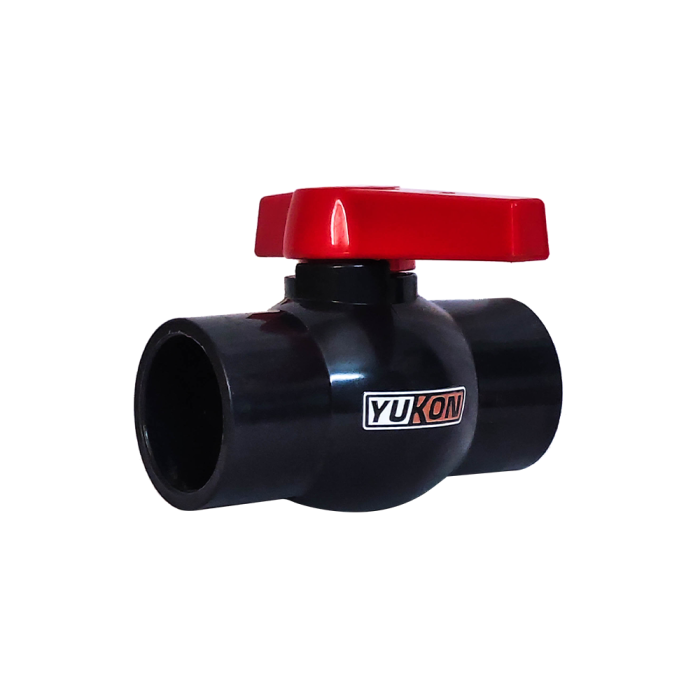
PVC single ball valves are widely used in plumbing, irrigation, water distribution, and various industrial fluid-handling systems. Their lightweight construction, corrosion resistance, and simple operating mechanism make them a practical choice for applications involving compatible liquids. However, selecting the right valve requires more than choosing a suitable pipe connection. Buyers must also consider valve sizes, pressure ratings, handle designs, and operating conditions.
Understanding these specifications helps users select suitable products for their pipeline requirements. When evaluating a PVC single ball valve supplier, it is important to review product specifications, material quality, pressure limits, and connection options before making a purchasing decision.
Understanding PVC Single Ball Valve Construction
A PVC single ball valve generally consists of a valve body, a spherical ball with a central opening, sealing seats, a stem, and an operating handle. The ball rotates inside the body to control the movement of fluid.
When the handle is turned to the open position, the ball’s passage aligns with the pipeline, allowing fluid to flow. A quarter-turn movement places the solid portion of the ball across the flow passage, stopping the flow.
This straightforward mechanism makes the valve convenient for manual operation in residential, commercial, agricultural, and compatible industrial installations.
Understanding Different Valve Sizes
Valve size is one of the most important factors when selecting a PVC ball valve. The valve must match the pipeline dimensions to support proper installation and suitable flow performance.
PVC single ball valves are available in different nominal sizes to accommodate various piping systems. Smaller sizes are commonly used in household plumbing, gardening, and compact irrigation arrangements, while larger sizes may be selected for agricultural distribution networks and industrial water systems.
Before purchasing, consider:
- The nominal diameter of the existing pipeline.
- The valve’s connection dimensions.
- The required flow capacity.
- Available installation space.
- Compatibility with the selected pipe material.
Correct sizing helps avoid unnecessary restrictions, connection difficulties, and installation problems.
Understanding Pressure Ratings
Pressure rating indicates the maximum pressure a valve is designed to withstand under specified conditions. It is an important specification because pipeline pressure can vary depending on pump operation, water supply conditions, and system design.
PVC valves have defined pressure limits that depend on their construction, material grade, size, and temperature. Higher temperatures can reduce the allowable pressure, so buyers should not rely on a single pressure value without checking the manufacturer’s technical documentation.
When selecting a valve, evaluate the normal working pressure, possible pressure fluctuations, and any water hammer conditions. The selected product should be suitable for the actual operating environment.
Different Handle Types and Their Functions
The handle is the component used to operate a manually controlled ball valve. Its design can influence handling convenience, available operating space, and ease of use.
Common handle considerations include:
Lever Handle: A lever-style handle provides a simple gripping surface and allows the user to rotate the ball through a quarter turn. It is commonly used where convenient manual operation is required.
Compact Handle Design: Some valve configurations use smaller handles to accommodate installations with limited operating space.
Ergonomic Handle: Certain designs provide improved grip and handling convenience, particularly where valves are operated regularly.
The handle should be strong enough for normal operation and should not require excessive force. Users should avoid applying additional tools or excessive force unless the product instructions specifically permit it.
Key Factors to Consider Before Buying
Selecting the right PVC ball valve requires evaluating several specifications together rather than focusing on one feature.
Important purchasing considerations include:
- Material Quality: Check the PVC material specifications and suitability for the intended fluid.
- Valve Size: Confirm that the valve matches the pipeline dimensions.
- Pressure Rating: Verify that the rated pressure is suitable for the operating conditions.
- Temperature Limits: Ensure the valve can handle the expected temperature range.
- Sealing Performance: Review the seat and seal materials for compatibility and leakage prevention.
- Connection Type: Confirm whether the valve uses threaded, socket, or another compatible connection.
- Operating Handle: Choose a handle design that offers convenient access and operation.
These checks can help reduce product-selection errors and support reliable pipeline performance.
Applications of PVC Single Ball Valves
PVC single ball valves are used in many water-handling applications. In residential plumbing, they can isolate water supply lines and connected equipment. Agricultural irrigation systems use suitable valves to control water distribution across different pipeline sections.
They are also found in gardening systems, swimming pool installations, water treatment arrangements, and compatible industrial water networks.
Their suitability depends on fluid compatibility, pressure, temperature, and installation requirements. They should not be used beyond their specified operating limits.
Installation and Maintenance Guidelines
Proper installation is essential for dependable valve operation. Before fitting the valve, check the pipe dimensions, connection compatibility, and flow requirements. Follow the recommended joining or threading procedure for the selected connection type.
Avoid excessive tightening or applying unnecessary mechanical stress to the valve body. After installation, inspect the connections and operate the handle to confirm smooth movement.
Regular maintenance should include checking for leakage, examining the handle, and inspecting visible signs of wear or damage. Following the manufacturer’s maintenance instructions can help maintain performance over time.
Conclusion
PVC single ball valves provide a convenient solution for controlling fluid flow in many plumbing, irrigation, and water distribution systems. Understanding their sizes, pressure ratings, handle types, and connection requirements makes product selection easier and more effective.
By evaluating material quality, operating conditions, sealing performance, and installation compatibility, buyers can choose suitable valves for their applications. Proper selection and maintenance help support dependable operation and long-lasting pipeline performance.


