 WhatsApp Us Now

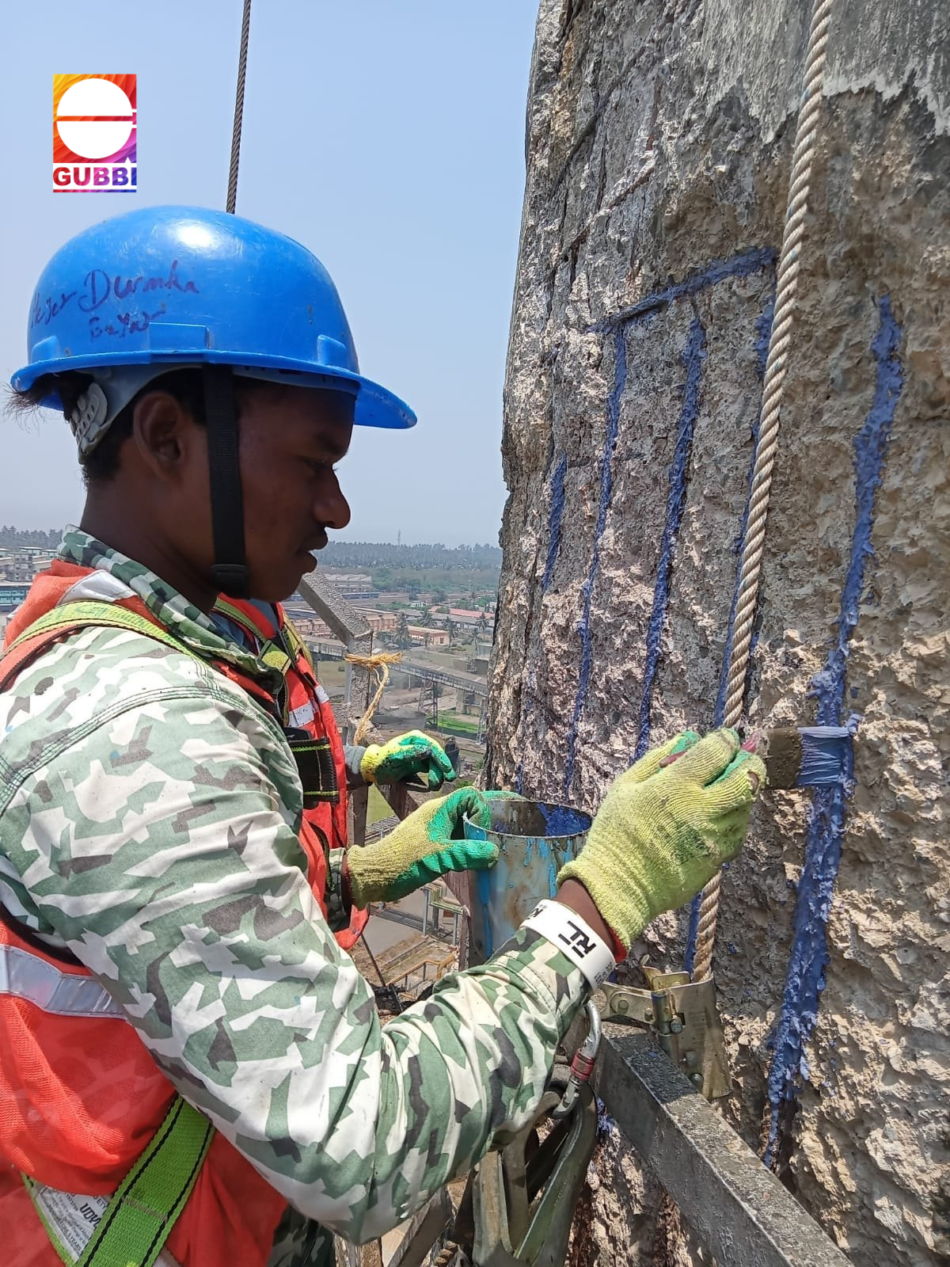
Structural repair services are essential when an existing structure shows signs of distress, deterioration, or reduced performance. Cracks, exposed reinforcement, concrete spalling, corrosion, water damage, settlement, and weakened structural members should not be treated as ordinary maintenance. For industrial facilities, commercial buildings, and infrastructure assets, timely structural repair can help restore performance, protect valuable assets, and reduce the risk of more extensive intervention later for owners.
Choosing the Right Structural Repair Contractors
Choosing structural repair contractors is not simply about finding a team that can patch damaged concrete. The right contractor should understand why the damage occurred, how it affects the structure, and which repair method suits the site conditions. A technically planned approach begins with inspection and assessment before repair execution. This helps owners avoid temporary treatments and focus on solutions for beams, columns, slabs, foundations, and other structural elements.
Identifying Problems Before Repair Work
Many owners search for structural repair services when visible damage has already appeared, but visible symptoms do not always reveal the full problem. A surface crack may be associated with shrinkage, movement, corrosion, loading, or another condition. Similarly, concrete spalling may indicate reinforcement corrosion beneath the surface. Understanding the cause is important before selecting materials, repair thickness, strengthening systems, or protective coatings for an existing structure.
Why Industrial Structures Need Special Attention
Industrial and commercial structures often operate under demanding conditions, including vibration, heavy equipment loads, moisture, chemicals, temperature changes, and continuous occupancy. Over time, these conditions can affect concrete and reinforcement, particularly where maintenance has been inadequate. Structural repair contractors working on such facilities need to consider both the damaged component and the operating environment. The repair strategy should support performance without unnecessarily disrupting essential plant or business activities.
Structural Assessment Before Repair Execution
A proper structural repair process generally starts with understanding the asset rather than immediately applying a repair material. Site observations, drawings where available, previous repair records, visible distress, material condition, and usage patterns can contribute to assessment. Depending on the project, engineers may investigate cracks, concrete quality, reinforcement condition, corrosion, leakage, or load-related concerns. The objective is to establish a practical repair plan based on actual site requirements.
Concrete Repair and Rehabilitation
Concrete repair is one of the most common requirements within structural rehabilitation projects. Damaged concrete may require removal of unsound material, surface preparation, treatment of reinforcement, reinstatement using an appropriate repair material, and protection of the repaired area. The exact sequence depends on the extent and cause of deterioration. Simply covering damaged concrete without preparing the substrate or addressing reinforcement corrosion can leave the underlying issue unresolved and cause damage.
Crack Repair Requires the Right Approach
Crack repair requires careful classification because not every crack has the same significance. Fine surface cracks may have a different cause and treatment from cracks associated with structural movement or reinforcement corrosion. Depending on the assessment, repair contractors may use suitable crack sealing, injection, grouting, or strengthening techniques. The repair method should correspond to crack characteristics, location, width, depth, movement, and the condition of the surrounding concrete.
Addressing Reinforcement Corrosion
When reinforcement inside concrete begins to corrode, expanding corrosion products can create internal pressure and contribute to cracking and concrete spalling. Repair therefore needs to go beyond restoring the visible surface. Affected concrete may need removal, reinforcement evaluation, corrosion treatment, and reinstatement using a compatible repair system. Protective measures can also be considered where exposure conditions continue to create a risk of future deterioration in the repaired member.
Repairing Beams, Columns, Slabs and Foundations
Structural repair services may involve damaged beams, columns, slabs, walls, foundations, or other load-bearing members. The required intervention depends on the extent of deterioration and the structural role of the member. In some cases, concrete restoration may be sufficient, while other situations require strengthening or jacketing. This distinction matters because repairing damage and increasing structural capacity are different objectives. The selected solution should reflect the actual engineering requirement.
Micro-Concrete Jacketing for Structural Rehabilitation
Micro-concrete jacketing is one option considered for strengthening or rehabilitating selected concrete members where additional capacity or restoration is required. The method involves preparing the existing member and providing an encasement system with engineered micro-concrete. Its application depends on design, access, reinforcement detailing, and site conditions. Structural repair contractors should evaluate the member before recommending jacketing rather than treating it as a universal solution for every damaged column or beam.
Carbon Fiber Wrapping for Structural Strengthening
Carbon fiber wrapping is another technique used in suitable structural strengthening applications, particularly where increasing capacity without significantly enlarging the member is important. Carbon fiber reinforced polymer systems can be applied to selected beams, columns, or other elements according to engineering design. Their effectiveness depends on substrate preparation, detailing, material selection, installation quality, and structural demand. It should therefore be implemented as part of an engineered strengthening strategy.
Guniting and Shotcreting Applications
Guniting and shotcreting can be useful where repair or restoration requires cementitious material over prepared structural surfaces. These techniques can support concrete rehabilitation where conventional casting is difficult or sprayed application is suitable. Surface preparation, reinforcement treatment, thickness control, curing, and workmanship are important to the final result. The application method should be matched to member condition, access limitations, repair specifications, and project requirements rather than selected solely for convenience.
Structural Repair for Industrial Facilities
Industrial buildings may require repair because of prolonged exposure to moisture, chemicals, heat, vibration, or operational loads. Manufacturing plants, warehouses, process facilities, power-sector assets, and similar assets can contain different deterioration mechanisms. This makes a standard repair package unsuitable for every area. Structural repair contractors should understand the operating environment and coordinate activities around production requirements, safety procedures, access restrictions, and the condition of the affected structure.
Structural Repair for Commercial Properties
Commercial properties also benefit from planned structural inspection and repair because building performance directly affects business continuity. Damage to slabs, beams, columns, parking structures, service areas, or other critical components can create operational concerns when ignored. Repair planning should consider access, occupancy, safety, sequencing, and the need to keep essential areas functional. Early intervention can make maintenance planning more predictable by identifying deterioration before it develops into larger rehabilitation work.
Structural Repair for Infrastructure Assets
Infrastructure assets require careful planning because bridges, jetties, culverts, dams, and other large assets may experience difficult exposure conditions. Water, salts, repeated loading, weathering, abrasion, and environmental changes can contribute to deterioration. Structural repair services for such assets may combine concrete repair, corrosion treatment, grouting, strengthening, waterproofing, or protective systems. The repair program should reflect the asset’s condition, operational importance, access limitations, and expected service requirements.
Managing Water Ingress and Concrete Deterioration
Water ingress is another frequent contributor to concrete deterioration, particularly when leakage remains unresolved for long periods. Moisture can reach vulnerable areas through cracks, joints, damaged waterproofing, or poorly protected surfaces. If water reaches reinforcement, corrosion-related deterioration may become a concern. Structural repair contractors may therefore need to coordinate concrete repair with waterproofing or protective treatment. Addressing both the damage and moisture pathway can provide a more complete rehabilitation strategy.
What to Check Before Hiring Structural Repair Contractors
One important factor in choosing structural repair contractors is their ability to connect inspection findings with practical execution. A contractor may offer several repair techniques, but the method should be selected according to the structure rather than material availability or popularity. The proposal should explain affected areas, repair sequence, materials, access, safety considerations, and expected outcome. Clear technical communication helps owners understand what work is required before execution begins.
Understanding Structural Repair Costs
Cost is naturally an important consideration when planning structural repair work, but comparing contractors only by the lowest quotation can be misleading. The initial price may not reflect substrate preparation, reinforcement treatment, access arrangements, testing, protection, curing, or follow-up requirements. A better comparison considers the complete repair scope and likely performance. For asset owners, value comes from solving deterioration appropriately while managing downtime, future maintenance, and project risk.
Why Contractor Experience Matters
Selecting a structural repair contractor should also involve reviewing experience relevant to the type of asset being repaired. Industrial, commercial, and infrastructure projects can have different technical requirements. Owners should ask how the contractor approaches assessment, methodology, quality control, safety, materials, and site coordination. Structural Asset Renewal Planning is a useful way to view the process because repair should support longer-term asset performance, not merely improve appearance temporarily. For organisations planning rehabilitation work, Gubbi Civil Engineers Limited can be considered when evaluating structural repair and rehabilitation requirements for industrial, commercial, and infrastructure assets. The focus should remain on understanding the structure, identifying the appropriate repair or strengthening approach, and planning execution around the project environment. A suitable contractor can help coordinate assessment, concrete restoration, strengthening, protective treatment, and related civil engineering requirements within one planned intervention.
Quality Control After Structural Repairs
Good structural repair work does not end when the repaired surface looks complete. Quality control during preparation, reinforcement treatment, material application, curing, and finishing can influence the outcome. Documentation of repaired areas can support future maintenance decisions. Depending on the asset, owners may benefit from periodic inspections after rehabilitation so emerging cracks, leakage, corrosion, or deterioration can be identified early and addressed before the condition becomes difficult to manage.
Moving From Reactive to Planned Structural Maintenance
Structural repair is easier to manage when organisations move from reactive maintenance toward planned asset care. Instead of waiting for major damage, facility owners can monitor recurring cracks, leakage, corrosion, concrete deterioration, and changes in structural usage. Regular assessment identifies areas requiring attention and supports budgeting and scheduling. For industrial and infrastructure assets, this can reduce disruption by planning repairs around operational priorities.
Ultimately, structural repair services should be viewed as an engineering activity rather than a cosmetic construction job. The objective is to understand deterioration, restore affected areas, strengthen members when required, and protect the structure against environmental or operational conditions. Choosing capable structural repair contractors and planning work around actual site requirements can help organisations manage ageing assets. For complex projects, professional assessment is the practical starting point.


