 WhatsApp Us Now

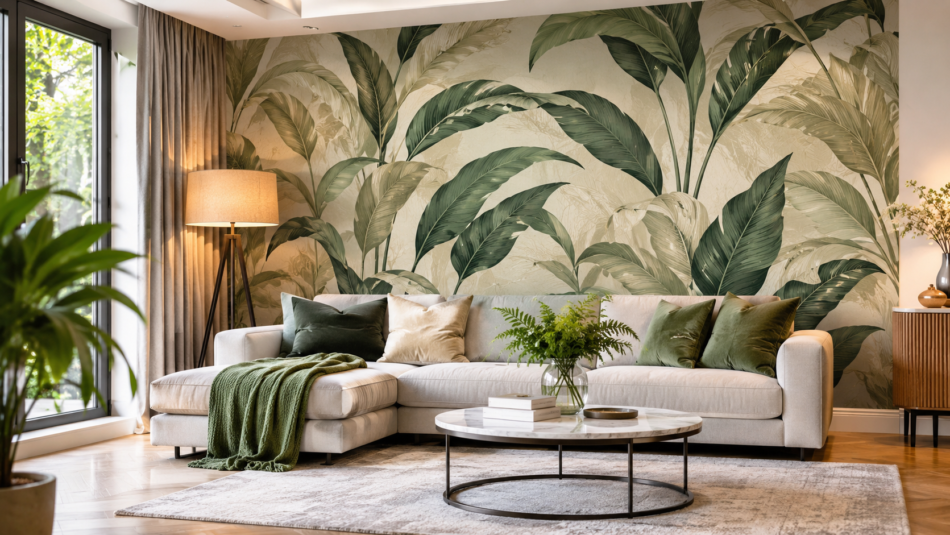
A room can have beautiful furniture, carefully selected lighting and attractive flooring, yet something may still feel incomplete. Often, the missing element is the treatment of the walls. Wallpaper has a unique ability to introduce personality, warmth and visual interest without requiring a complete change to the interior. From understated textures to striking botanical prints, the right design can completely change how a space looks and feels.
Across London, homeowners are increasingly exploring creative ways to make their interiors more individual. Whether it is a period property in Kensington, a contemporary apartment in Canary Wharf or a family home in Richmond, decorative wall coverings offer opportunities to reflect personal taste while making better use of existing spaces.
However, choosing an attractive wallpaper is only one part of the process. The quality of the installation plays an equally important role in the finished appearance. This is why finding experienced wallpaper fitters in London can make a significant difference to both the appearance and longevity of a decorating project.
Why Wallpaper Is Becoming an Important Part of Modern Interior Design
Interior design is no longer simply about selecting matching colours and furniture. People want their homes to tell a story, reflect their personalities and create an atmosphere that feels comfortable.
Wallpaper makes this possible through an extraordinary variety of colours, patterns and finishes. Unlike plain painted walls, it can introduce several visual elements at once.
For example, a subtle linen-effect wallpaper can bring softness to a minimalist bedroom, while a geometric pattern can give a modern living room a more defined character. Natural-inspired prints can create a relaxing atmosphere, particularly in spaces where homeowners want to introduce a connection with the outdoors.
Another advantage is flexibility. Wallpaper does not necessarily need to cover every wall. A carefully positioned feature wall can become the focal point of a room without overwhelming the existing décor.
This approach is particularly useful in smaller London properties, where thoughtful design choices can help create a sense of depth and individuality.
The Difference Between Choosing Wallpaper and Installing It Properly
A common mistake during home improvement projects is assuming that an expensive wallpaper will automatically produce an expensive-looking result.
In reality, even premium materials can look disappointing when they are incorrectly installed. Misaligned patterns, visible joins, trapped air and uneven edges can affect the entire appearance of a room.
Professional installation involves much more than applying adhesive and positioning wallpaper. It requires accurate measurements, careful planning, suitable materials and an understanding of different wall surfaces.
Experienced wallpaper fitters in London understand that each property presents different challenges. Older buildings may have uneven plaster, previous layers of wallpaper or architectural features that require additional attention. Modern apartments can have large uninterrupted walls where even minor alignment mistakes become noticeable.
A professional approach considers these details before installation begins.
Understanding the Importance of Wall Preparation
The foundation of a successful wallpapering project is the condition of the wall beneath it.
Wallpaper does not conceal every imperfection. In fact, certain finishes can make surface problems more noticeable, particularly when natural or artificial lighting falls across the wall.
Proper preparation normally involves several stages:
Removing existing wallpaper: Old wall coverings should be removed where necessary, along with remaining adhesive that could interfere with the new installation.
Cleaning the surface: Dust, grease and other contaminants can affect how effectively wallpaper adhesive bonds with the wall.
Repairing imperfections: Small holes, cracks and uneven areas should be filled and sanded to create a suitable surface.
Checking moisture: Dampness and mould problems must be investigated and resolved before decorative wall coverings are installed.
Applying the appropriate primer: Depending on the wall condition and wallpaper specification, a suitable primer or wall-sizing treatment may be required.
Fresh plaster also needs sufficient time to dry before decorating. Applying wallpaper to an unsuitable surface can create adhesion problems and affect the final result.
Taking preparation seriously helps prevent avoidable problems and provides a more reliable foundation for the finished design.
Choosing Wallpaper That Complements Your Property
Wallpaper should work with the architecture, natural lighting and existing features of a room. A design that looks impressive in a showroom may feel completely different once installed at home.
Before making a purchase, consider the following factors.
1. Room Size and Natural Light
Large patterns can create an impressive visual statement, but they need to be considered carefully in smaller rooms. Lighter colours and subtle textures can help spaces feel more open, while darker shades may introduce depth and a more intimate atmosphere.
Rooms with limited natural light may benefit from warmer tones or designs that reflect available light.
2. Existing Furniture and Interior Colours
Wallpaper should complement the furniture rather than compete with it.
If a room already contains patterned curtains, decorative cushions or colourful furniture, a more restrained wall design may provide balance. Alternatively, neutral furnishings can create an opportunity to introduce a stronger wallpaper pattern.
3. The Purpose of the Room
Different spaces benefit from different design approaches.
Bedrooms often work well with calming colours and soft textures. Living rooms can accommodate more expressive patterns, while hallways provide opportunities to introduce character into transitional spaces.
For kitchens and bathrooms, it is important to choose wall coverings specifically suitable for the environmental conditions and follow the manufacturer’s installation recommendations.
Wallpaper Trends Bringing Personality to London Interiors
Wallpaper trends continue to evolve, but some styles remain popular because they offer flexibility and long-term visual appeal.
Botanical and Nature-Inspired Patterns
Leaves, flowers, branches and organic illustrations bring a natural element into interior spaces. These designs work particularly well in bedrooms, dining areas and living rooms.
Muted greens, earthy shades and delicate botanical illustrations can create a relaxed atmosphere without making a room feel overly decorative.
Textured and Fabric-Effect Wallpaper
Not every wallpaper needs a noticeable pattern. Textured finishes inspired by linen, natural fibres and woven materials offer a sophisticated alternative to plain painted walls.
They add visual depth while maintaining a relatively understated appearance.
Geometric and Contemporary Designs
Geometric wallpaper can introduce structure and movement into modern interiors. Repeating shapes, curved lines and abstract patterns are particularly effective when used selectively.
They can work well behind a sofa, around a staircase or on a feature wall.
Heritage-Inspired Designs
London has a distinctive architectural character, with Victorian terraces, Georgian townhouses and Edwardian properties found across the city.
Traditional floral prints, decorative motifs and heritage-inspired colours can complement these architectural styles while introducing a refreshed appearance.
The most successful choice is not necessarily the trendiest one. It is the design that feels appropriate for the property and remains enjoyable over time.
Why Professional Experience Matters for Complex Wallpaper Designs
Some wallpaper installations are relatively straightforward, while others require specialist knowledge and considerable precision.
Large-scale murals, repeating patterns, metallic finishes and delicate materials can be particularly challenging. Even a small measurement error may disrupt the overall design.
Professional wallpaper fitters in London need to consider several technical details before beginning the work.
Pattern matching is one of the most important. Repeating designs must align correctly across adjoining strips, which requires accurate calculations before cutting the material.
Corners also require careful handling. Walls are rarely perfectly straight, particularly in older properties. Simply wrapping wallpaper around an internal or external corner can result in misalignment or creasing.
Other challenging areas include:
- Window and door surrounds.
- Ceiling edges and decorative coving.
- Staircases and sloping walls.
- Alcoves and recessed shelving.
- Radiators, switches and electrical fittings.
- Large wall murals requiring precise panel positioning.
Working around these features requires patience, suitable tools and an understanding of the wallpaper material.
This is where professional experience becomes especially valuable. Adam’s Painting recognises the importance of treating preparation, measurements and finishing details as essential parts of the decorating process rather than minor tasks.
How to Prepare Your Home Before Wallpaper Installation
Homeowners can make the installation process more straightforward by preparing the room in advance.
Start by moving smaller furniture and personal belongings away from the walls. Larger items that cannot be removed should be positioned centrally and protected with suitable dust sheets.
It is also helpful to discuss the condition of the walls before the scheduled work begins. If there are signs of dampness, loose plaster or previous water damage, these should be investigated rather than covered.
Make sure the wallpaper rolls are available before installation. Check the product names, colours, pattern references and batch numbers to ensure consistency. Differences between production batches can sometimes result in noticeable colour variations.
It is equally important to retain the manufacturer’s instructions. Different wallpaper materials can require different adhesives, application methods and drying conditions.
For instance, paste-the-wall and paste-the-paper products are not installed in exactly the same way. Following the product specification helps avoid unnecessary complications.
Clear communication about the expected finish, preparation requirements and access arrangements also helps the decorating project run smoothly.
What Should You Consider Before Hiring a Wallpaper Specialist?
Choosing a decorator should involve more than comparing prices. The quality of workmanship, reliability and understanding of the proposed design are equally important.
Before making a decision, consider asking the following questions:
Do they have relevant experience?
Ask about previous wallpapering projects, particularly those involving similar materials or complicated patterns.
Can they assess the wall condition?
A suitable assessment should identify preparation requirements before the installation begins.
Do they understand specialist wallpaper materials?
Delicate, textured and premium wall coverings may require specific handling techniques and adhesives.
Is the scope of work clearly explained?
Understand whether the quotation includes stripping existing wallpaper, filling imperfections, priming, lining and installation.
Can they explain the expected timescale?
The duration will depend on room dimensions, wall condition, wallpaper type and preparation requirements.
Adam’s Painting approaches decorating with attention to the details that contribute to a consistent finish. Understanding the property and the intended appearance before starting work is an important part of achieving a satisfactory result.
The Long-Term Value of a Well-Executed Decorating Project
Wallpaper is an investment in the appearance of your living environment. Although the initial design may attract attention, the quality of installation determines how successfully that design works within the room.
Poorly prepared walls, unsuitable adhesive and rushed application can contribute to lifting edges, visible joins and other problems. Correct installation, on the other hand, helps the wall covering maintain its intended appearance.
Maintenance also matters. Homeowners should follow the manufacturer’s cleaning recommendations because not every wallpaper is washable or suitable for aggressive cleaning products.
Rooms should be kept appropriately ventilated, and any signs of moisture should be addressed promptly. Wallpaper is a decorative finish, not a solution for underlying structural or damp problems.
For those planning a property refresh, it is worth considering how the new wall covering will work alongside future decorating decisions. Neutral, timeless patterns may offer greater flexibility, while distinctive designs can create a memorable feature that gives a room its own identity.
Bringing Your Interior Vision to Life
A successful wallpapering project begins with a clear idea of how you want your home to feel. It might involve introducing warmth into a neutral bedroom, creating a dramatic living room feature or restoring the character of a period property.
Whatever the objective, the relationship between material selection, wall preparation and installation quality should never be overlooked.
Working with experienced wallpaper fitters in London can help homeowners approach the project with greater confidence, particularly when dealing with specialist materials, intricate patterns or challenging architectural features.
Adam’s Painting understands that a well-decorated room is about more than attractive walls. It is about creating a cohesive interior where colour, texture and craftsmanship work together.
With thoughtful planning and attention to detail, wallpaper can become one of the most effective ways to transform an ordinary room into a space that feels distinctive, welcoming and genuinely personal.


