 WhatsApp Us Now

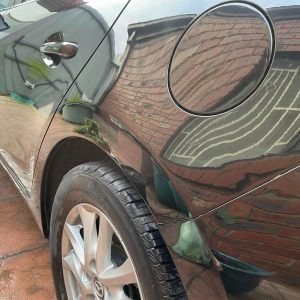
Small dents can often be repaired without repainting the affected car panel. Paintless dent removal in Melbourne helps when the original paint remains intact. Cloudy headlights also need attention, especially when they reduce visibility while driving. Knowing what each repair involves helps drivers choose the right service. This guide explains common warning signs, repair methods, and ways to maintain results.
When Is Paintless Dent Removal Suitable?
Shopping trolleys, car doors and hail can leave dents in metal panels. A technician first checks the depth, shape, and condition of the paint. They also check whether tools can safely reach behind the damaged area. If suitable, controlled pressure helps return the panel to its original shape.
Unlike standard panel repairs, this method usually needs no filler or repainting. It can also preserve the factory finish and avoid colour matching. However, deep creases and cracked paint may require a different repair method. Dents near panel edges can also be difficult to fix.
Before booking, check the damage and take photographs from different angles. Look for these signs that a professional assessment may be useful:
- A shallow dent without visible paint damage
- Small door dings or rounded hail marks
- Panels with their original colour and finish
- Minor dents without sharp folds or deep creases
Avoid forcing the metal back into place using household tools or suction devices. Incorrect handling can stretch the panel and make repairs more difficult.

Why Do Car Headlights Become Cloudy?
Headlight lenses can turn yellow or dull after years of sun exposure. Road dirt, weather, and regular wear can also affect their appearance. This may reduce the amount of light reaching the road at night. Normal washing often cannot remove damage from the outer plastic surface.
Professional headlight restoration usually begins with checking the lens for scratches and wear. A technician may clean, smooth and polish the damaged outer surface. Applying a suitable UV coating helps protect the lens against further fading. The treatment depends on the condition of each headlight.
Common signs that headlights may need professional attention include:
- Yellow or cloudy plastic covering the lens
- Reduced brightness when driving at night
- Fine scratches that remain after normal cleaning
- A dull finish compared with the other headlight
Cloudy lenses are not always the main cause of poor lighting. Faulty bulbs or internal electrical problems may also require inspection.
How Can Drivers Maintain Their Car After Repairs?
Wash your car regularly using products suitable for paint and plastic surfaces. Remove road grime and bird droppings before they damage the finish. Park the car in shaded areas whenever possible to reduce exposure to strong sunlight. Avoid rough cleaning pads that can scratch panels and headlight lenses.
After repairs, follow professional advice about cleaning and protective coatings. Check repaired areas regularly for fresh marks or damage. If visibility remains poor, have the complete lighting system inspected.
Early inspections and proper care can help prevent further damage. Choose suitable repair methods and address minor problems before they become expensive.


