 WhatsApp Us Now

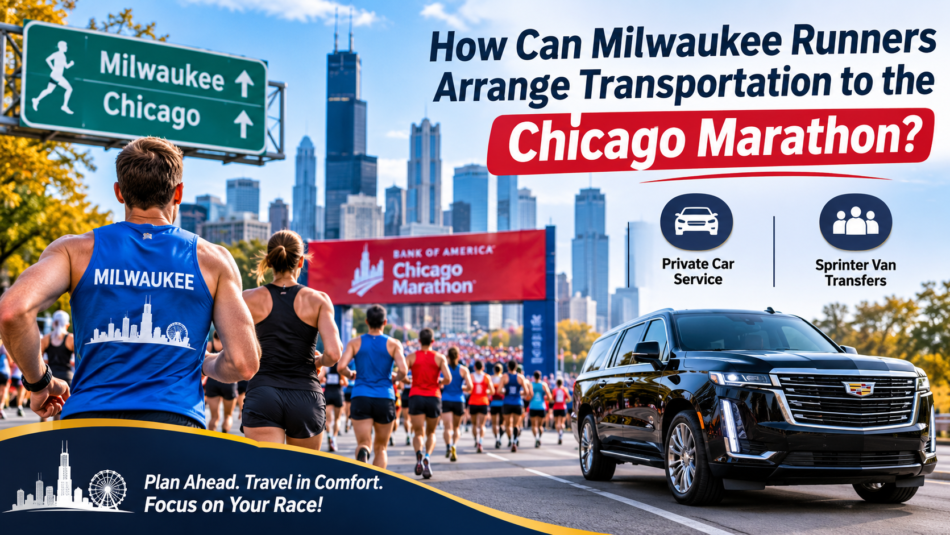
Running the Chicago Marathon is a major commitment. Participants spend months preparing their training schedules, arranging accommodations, and planning their race-day routines. For runners traveling from Milwaukee, transportation is another important detail to organize before the event.
The drive from Milwaukee to Chicago may seem straightforward, but marathon weekend brings additional considerations. Road closures, large crowds, early start times, and restricted access around the race area can make arrival and pickup more complicated than on an ordinary day.
A private car service can give runners and their companions a planned transportation option without requiring them to drive, find parking, or navigate unfamiliar streets themselves. The key is to arrange the trip with enough time and communicate the details clearly.
1. Plan Your Arrival Around Race-Day Requirements
Marathon participants should not plan their departure based only on the estimated driving time between Milwaukee and Chicago. They also need to consider race check-in requirements, security procedures, transportation to the starting area, and the time needed to prepare before the event.
Start by reviewing the official race instructions. Check the recommended arrival time, participant access points, bag-check rules, and any restrictions affecting transportation near the starting area.
Once you understand these requirements, work backward to determine when you should leave Milwaukee. Allow extra time for traffic and possible delays, especially if your arrival is scheduled for the early morning.
Arriving with enough time can help reduce unnecessary stress before the race.
2. Choose a Pickup Time That Gives You Enough Flexibility
A common mistake is scheduling transportation too close to the time you need to be at the starting area. Even when the highway journey goes smoothly, traffic entering Chicago and road restrictions near the event can affect your arrival.
When discussing your reservation, explain that you are traveling for the marathon and provide your target arrival time. Ask the transportation provider to help establish a practical departure schedule based on your destination and the expected conditions.
You should also confirm the pickup address in Milwaukee. Whether you are leaving from home, a hotel, or another location, provide the complete address and any useful instructions about the pickup entrance.
3. Understand Road Closures and Race-Day Pickup Locations
Large running events can change normal traffic patterns. Streets near the course may be closed, pedestrian areas may become crowded, and certain entrances may not be accessible to private vehicles.
Do not assume that a vehicle can drop you off directly beside the starting line or finish area. Review the official marathon transportation guidance and identify a suitable drop-off point outside restricted areas.
The same consideration applies after the race. Before the event, discuss a convenient meeting location with your driver. Choose a place that is easy to identify and accessible under the event’s traffic arrangements.
A specific meeting point is much more useful than simply agreeing to meet somewhere near the finish line.
4. Consider Transportation for Family Members and Spectators
Many runners travel with family members or friends who want to watch the race. These companions may have different plans from the participant, including visiting spectator areas, finding restaurants, or moving between different sections of the course.
If several people are traveling together, consider their schedules before booking. Some companions may want to remain in Chicago while the runner participates, while others may prefer to return to the hotel or wait at an agreed location.
Share the passenger count and any luggage requirements with the transportation provider. A suitable vehicle should provide enough room for everyone without making the journey uncomfortable.
It is also helpful to exchange contact information so the group can coordinate if spectators need to change their plans.
5. Prepare Your Race Equipment and Personal Belongings
Marathon participants usually travel with more than an ordinary weekend bag. Running shoes, clothing, nutrition products, personal items, and recovery supplies may all need to be transported.
Make a packing list before leaving Milwaukee. Keep essential race equipment together so you can access it easily when you arrive.
Before confirming the vehicle, tell the provider how many passengers will be traveling and how much luggage or equipment you expect to bring. This helps ensure that the selected vehicle has sufficient space.
Remember to review the event’s rules about what participants can bring into the race area. Transportation arrangements do not replace the marathon’s own equipment and bag-check policies.
6. Arrange the Return Journey Before Race Day
After completing a marathon, most runners are tired and may not want to deal with parking, driving, or navigating unfamiliar roads. Planning the return trip in advance can make the end of the day easier.
Consider when you realistically expect to finish, collect your belongings, meet your companions, and reach the agreed pickup location. Avoid setting a return time that leaves no room for delays.
You should also discuss how changes to the pickup time will be handled. Ask whether the reservation allows adjustments and whether additional waiting time may result in extra charges.
If you are traveling with other runners, remember that everyone may finish at a different time. A clear meeting plan can help prevent confusion.
7. Review the Transportation Details Before Confirming
Before making a reservation, provide the transportation company with the information needed to plan the trip accurately.
Important details include:
- Pickup address in Milwaukee
- Destination and preferred drop-off location in Chicago
- Travel date and requested departure time
- Number of passengers
- Luggage and equipment requirements
- Expected return time or separate return arrangement
- Contact number for race-day communication
Ask for a clear explanation of the rate, minimum booking requirements, waiting-time charges, tolls, and any other potential fees.
It is also worth confirming the cancellation policy and how the company handles unexpected schedule changes. Having these details in writing helps everyone understand the arrangement.
8. Select a Transportation Option That Fits Your Race Plans
The best transportation arrangement depends on whether you are traveling alone, with a running partner, or with a larger group. A sedan may work for an individual participant, while an SUV may be more suitable for travelers carrying additional equipment or traveling with companions.
When comparing providers, consider their experience with longer-distance transportation, advance reservations, communication, and scheduling around major events.
Runners traveling from Wisconsin can review a Milwaukee to Chicago Car Service option and discuss the race-day itinerary, pickup arrangements, vehicle capacity, and return transportation before making a reservation.
Make Your Marathon Trip Easier to Organize
Traveling from Milwaukee to the Chicago Marathon requires more planning than an ordinary trip to the city. Early departure, road closures, participant requirements, equipment, and post-race transportation all deserve attention.
By organizing the journey in advance, runners can spend less time worrying about transportation and more time focusing on their preparation and race experience. Confirm the official event instructions, choose a practical pickup location, allow extra travel time, and arrange your return journey before leaving home.
A well-planned transportation schedule can make marathon weekend more manageable for both participants and the people supporting them.


