 WhatsApp Us Now

Orthodontic treatment can influence more than just the appearance of your teeth, as it may also affect facial balance, lip position, and the overall appearance of your smile.The cost of orthodontic treatment varies because every patient has different dental concerns, treatment requirements, and alignment goals.Factors such as the complexity of tooth movement, type of braces or aligners, treatment duration, and individual dental needs can influence the overall expense.Consulting experienced Orthodontists in Islamabad can help you understand how orthodontic treatment may affect your facial appearance and what results you can realistically expect.Although orthodontic treatment primarily focuses on correcting misaligned teeth and bite problems, certain changes in tooth positioning can influence facial appearance. These changes are usually gradual and depend on the patient’s age, jaw structure, existing bite, and treatment approach.Understanding the relationship between orthodontics and facial structure can help patients make informed decisions before beginning treatment.
How Does Orthodontic Treatment Affect Your Face Shape?
Orthodontic treatment works by gradually moving teeth into healthier and more functional positions. Depending on the patient’s condition, correcting tooth alignment and bite relationships may also influence the appearance of the lips, cheeks, and lower face.However, orthodontic treatment does not automatically change the underlying facial bone structure in every patient.The visible effects depend on the type of orthodontic problem being treated and whether the treatment involves tooth movement alone or additional jaw correction.
Changes in Lip Position
One of the most noticeable facial changes may involve the lips.When teeth are significantly protruded, the lips may appear more prominent because they are supported by the front teeth. Orthodontic treatment that moves these teeth backward may create a more balanced lip profile.Similarly, correcting an underbite or overbite may improve the relationship between the upper and lower lips.The extent of change depends on the original tooth position and the treatment plan.
Improved Facial Balance
An uneven bite can sometimes contribute to an unbalanced facial appearance. For example, patients with significant overbites, underbites, or crossbites may have differences in their lower facial profile.Correcting these dental relationships can improve the overall harmony of the smile and surrounding facial features.However, significant skeletal imbalances may require additional treatment beyond conventional braces or clear aligners.Effects on Cheek AppearanceSome patients notice subtle differences in their cheek appearance after orthodontic treatment.These changes may be related to improved dental alignment, changes in the bite, or differences in how the lips and surrounding soft tissues are supported.Braces do not directly increase cheekbone size or create fuller cheeks. Any noticeable change is generally associated with dental positioning or other individual factors.
Changes in Chin Appearance
Orthodontic treatment may influence how prominent or balanced the chin appears in relation to the rest of the face.For example, correcting certain bite problems can improve the relationship between the upper and lower jaws, making the chin appear more proportionate.However, moving teeth with braces alone does not physically enlarge or reduce the chin bone.Patients with significant jaw discrepancies may need an orthodontic and surgical treatment approach to achieve substantial skeletal changes.
Can Braces Change Your Face Shape Permanently?
Braces can create lasting changes in facial appearance when they correct dental problems that influence lip support, tooth positioning, and bite relationships.However, the extent of these changes varies considerably.For patients with mild crowding or small gaps, the primary improvement is usually in the alignment of their teeth rather than their overall facial structure.Patients with more noticeable overbites, underbites, or protruding teeth may experience more visible changes in their facial profile.
Ceramic Braces
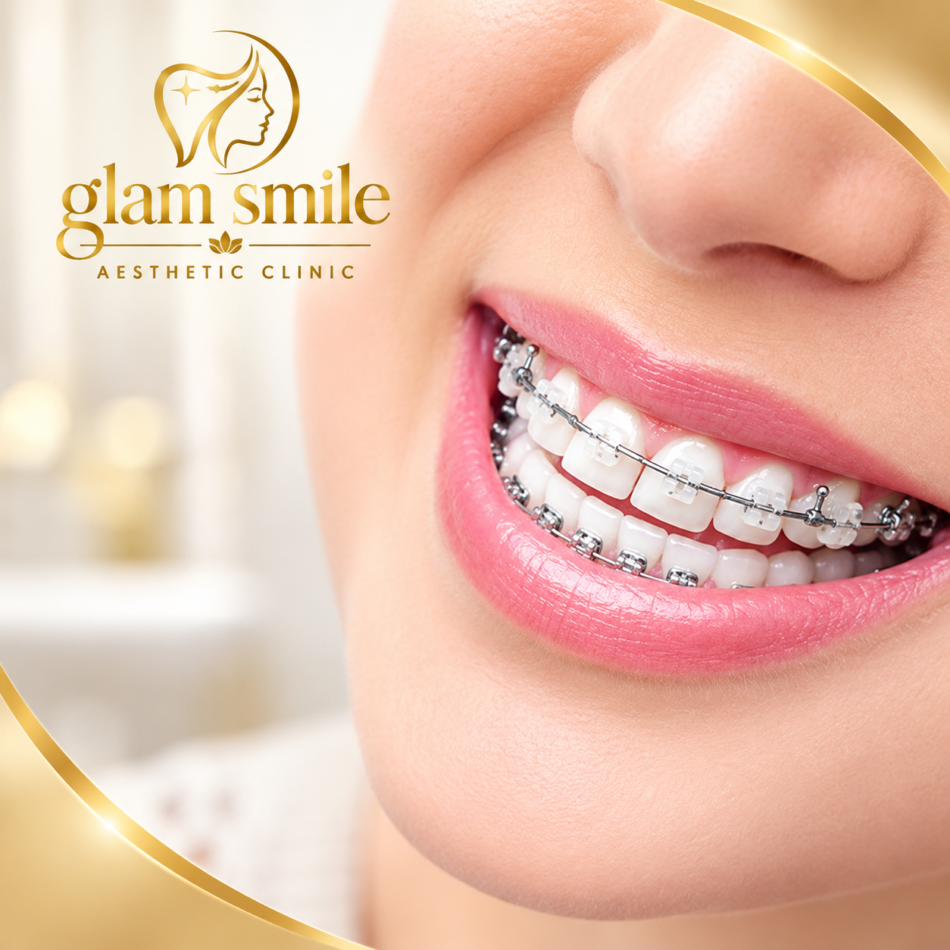
Ceramic braces work similarly to traditional metal braces but use tooth-coloured or transparent brackets.They offer a less noticeable appearance while providing orthodontic correction for many alignment problems.Their effect on facial appearance depends on the tooth movements performed, not simply on the bracket material.
Clear Aligner
Clear aligners are removable trays designed to move teeth gradually.They may be suitable for patients with mild to moderate alignment problems and selected more complex cases.Their advantages include:Like traditional braces, clear aligners primarily change tooth positions rather than directly reshaping facial bones.
What Factors Influence Orthodontic Treatment Costs?
The cost of orthodontic treatment is an important consideration for patients. However, treatment expenses should be evaluated alongside clinical needs, expected outcomes, and the experience of the treating professional.Several factors can influence the overall orthodontic treatment cost.
Complexity of the Dental Condition
Patients with mild crowding may require less complicated treatment than those with severe bite problems or significant tooth misalignment.More complex cases may involve additional appointments, specialised techniques, and longer treatment periods.
Type of Braces or Aligners
The selected orthodontic technique can influence the overall expense.Traditional metal braces, ceramic braces, and clear aligners have different materials, laboratory requirements, and treatment processes.The most appropriate option depends on clinical suitability rather than appearance alone.
Treatment Duration
Orthodontic treatment can take different amounts of time depending on the patient’s dental condition and response to tooth movement.Longer treatment may involve more monitoring appointments and additional clinical adjustments.
Individual Dental Requirements
Some patients need additional procedures before or during orthodontic treatment.These may include:These requirements can influence the total treatment budget.
Retainers and Follow-Up Appointments
After braces or aligners, retainers are generally recommended to maintain the corrected tooth positions.Follow-up visits also help the orthodontist monitor stability and identify potential problems.Patients should ask whether retainers and post-treatment appointments are included in the quoted treatment cost.
Is Orthodontic Treatment Different for Adults and Teenagers?
Age can influence orthodontic treatment planning and the type of facial changes that may be possible.
Orthodontic Treatment for Teenagers
Teenagers may still be experiencing facial and jaw development.
In selected cases, orthodontic appliances can help guide jaw growth and improve certain bite relationships.Early assessment can help identify problems that may become more complicated if left untreated.
Orthodontic Treatment for Adults
Adults can also benefit from braces and clear aligners.However, their jawbones have generally completed most of their growth. Therefore, conventional orthodontic treatment mainly focuses on repositioning teeth rather than significantly changing jaw structure.Adults with substantial skeletal discrepancies may need combined orthodontic and surgical treatment.
Can Orthodontic Treatment Make Your Face Look Slimmer?
Orthodontic treatment does not directly remove facial fat or reduce cheek size.However, correcting protruding teeth, bite problems, or certain alignment issues may change the appearance of the lips and lower facial profile.Some patients may perceive their face as more balanced or slightly different after treatment.It is important to distinguish between changes caused by dental alignment and changes caused by weight loss, ageing, or natural facial development.Patients should not expect braces to work as a facial slimming procedure.
What Should You Consider Before Starting Orthodontic Treatment?
Before beginning treatment, patients should understand their dental condition, available techniques, expected results, and financial responsibilities.A professional consultation helps determine whether orthodontic treatment can address both functional and aesthetic concerns.
Comprehensive Dental Examination
An orthodontist should evaluate tooth alignment, jaw relationships, bite function, and overall oral health.Dental photographs, X-rays, and digital scans may be recommended to understand the underlying condition.
Personalised Treatment Planning
Every patient has different dental and facial characteristics.A personalised plan should explain the proposed tooth movements, treatment duration, expected facial changes, and any limitations.
Understanding the Total Cost
Patients should request a clear explanation of the complete treatment expenses.This should include the braces or aligners, consultation visits, adjustments, additional procedures if needed, and retainers.
Choosing an Experienced Clinic
Selecting a qualified orthodontic professional is important for achieving safe and predictable results.At Glam Smile Clinic, patients can discuss their orthodontic concerns, explore suitable treatment options, and understand how correcting dental alignment may influence their smile and facial appearance.A proper assessment helps ensure that treatment recommendations are based on individual dental needs rather than unrealistic cosmetic expectations.
Frequently Asked Questions (FAQs)
Does orthodontic treatment change your face shape permanently?
Orthodontic treatment can create lasting changes in facial appearance by correcting tooth positions and bite relationships. However, significant changes to the underlying jawbone generally require additional treatment, particularly in adults.
Can braces make your face look slimmer?
Braces do not directly reduce facial fat or cheek size. However, correcting protruding teeth or certain bite problems may change lip support and facial proportions, making the profile appear more balanced.
How long does it take to notice facial changes after braces?
Facial changes generally develop gradually as teeth move into their planned positions. Some patients may notice differences during treatment, while others see subtle changes only after treatment is completed. The timeline depends on individual requirements.
Do clear aligners change facial appearance like traditional braces?
Clear aligners and traditional braces can produce similar facial effects when they achieve comparable tooth movements. The main difference is the treatment technique, not the direct impact on facial structure.
Does orthodontic treatment change the jawline?
Orthodontic treatment can improve the appearance of the jawline indirectly by correcting certain bite relationships. However, conventional braces do not significantly reshape adult jawbones. Severe skeletal problems may require corrective jaw surgery.
Conclusion
Orthodontic treatment can influence facial appearance by improving tooth alignment, correcting bite problems, and changing the support provided by the teeth to surrounding soft tissues. However, the extent of facial changes depends on the patient’s age, dental condition, jaw structure, and treatment approach.While some patients experience noticeable improvements in lip position and facial balance, others mainly benefit from a straighter smile and better bite function.Understanding treatment techniques, individual requirements, and overall costs is essential before making a decision. A professional assessment at Glam Smile Clinic can help you explore suitable orthodontic options and understand the results you can realistically expect.


