 WhatsApp Us Now

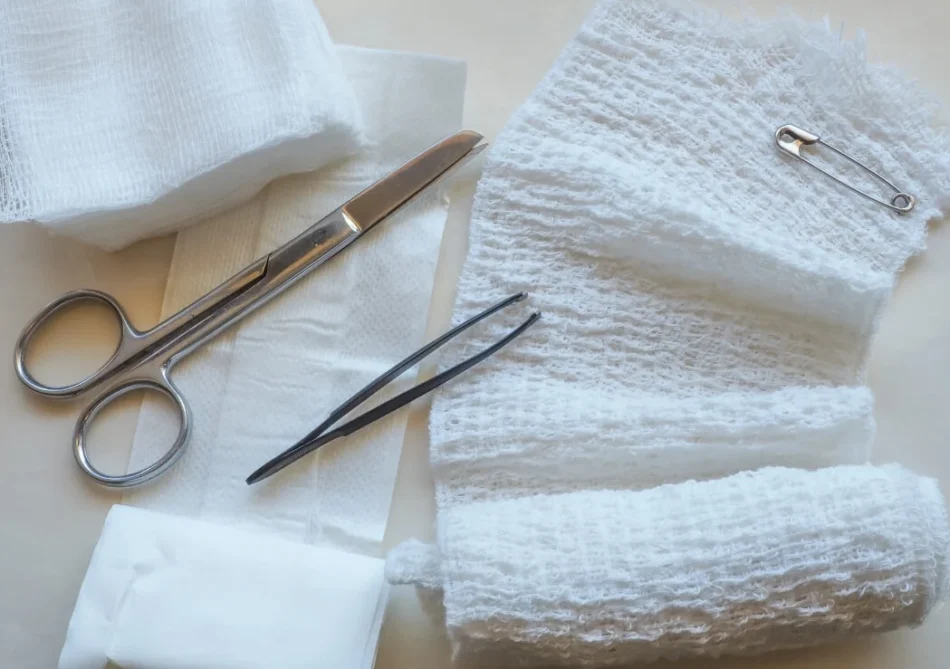
Proper wound management is essential for protecting skin health, preventing complications, and supporting the body’s natural recovery process. While minor injuries may heal with basic first aid, more complicated wounds often require professional evaluation and consistent medical attention. Surgical incisions, diabetic ulcers, pressure injuries, and chronic wounds can become difficult to manage without an appropriate treatment plan. Wound care services in Troy, Michigan help patients access professional assessments, specialized treatments, and ongoing monitoring based on their individual medical needs. With qualified healthcare professionals involved, patients can receive guidance that supports healthy healing, reduces avoidable risks, and improves their overall wound management experience.
Understanding the Importance of Professional Wound Care
Wound healing involves several biological stages, including inflammation, tissue formation, and remodeling. Each stage plays an important role in repairing damaged skin and restoring the affected area. However, certain medical conditions and external factors can interrupt this process, causing wounds to remain open longer than expected. Diabetes, poor circulation, infections, nutritional deficiencies, and repeated pressure can all contribute to delayed healing. Professional wound care helps identify these challenges and provides an appropriate approach to managing them.
A qualified healthcare professional begins by evaluating the wound and understanding the patient’s overall health. The assessment may include examining the wound’s location, depth, size, drainage, surrounding skin, and possible signs of infection. The provider may also review medical history, medications, circulation, and existing conditions that could influence recovery. These details help determine whether the wound requires specialized dressings, additional testing, pressure management, or other clinical interventions.
Professional monitoring is equally important because wound conditions can change over time. A treatment approach that works during the initial stages may need adjustment as the wound develops and new tissue forms. Regular evaluations allow healthcare professionals to document progress, identify complications, and recommend changes when necessary. This individualized attention helps patients follow a more organized treatment process instead of relying on assumptions about how a wound should heal.
How Professional Wound Care Treatments Support Healing
One of the primary responsibilities of wound care professionals is selecting appropriate treatment based on the wound’s characteristics. Cleaning the affected area using suitable methods helps remove surface debris and supports a cleaner environment for healing. Healthcare professionals may also recommend dressings designed to protect the wound, manage drainage, and maintain an appropriate moisture balance. Choosing the right dressing is important because different wounds have different requirements depending on their depth, location, and healing stage.
Some patients may benefit from debridement, a procedure that removes dead or damaged tissue when clinically appropriate. Nonviable tissue can interfere with healing and make it more difficult to evaluate the condition of the underlying wound. Depending on the patient’s circulation and overall medical condition, a qualified professional may recommend an appropriate debridement method. This procedure is not suitable for every wound, so treatment decisions should always follow a proper clinical assessment.
Pressure management is another important part of wound treatment, especially for patients with limited mobility. Continuous pressure on areas such as the heels, hips, and tailbone can damage skin and underlying tissue. Healthcare professionals may recommend repositioning schedules, pressure-relieving cushions, specialized mattresses, or other protective measures. Reducing repeated pressure helps protect vulnerable areas and supports the effectiveness of the overall wound care plan.
Personalized In-Home Wound Care Solutions in Michigan
Traveling to a medical facility for frequent wound appointments can be challenging for individuals with mobility limitations, chronic illnesses, or recovery-related restrictions. Home-based wound care offers an alternative for eligible patients who need professional assistance without making repeated trips to a clinic. Personalized in-home wound care solutions Michigan can include wound assessments, dressing management, healing evaluations, and patient education, depending on the provider’s qualifications and available services. Receiving care at home can make ongoing treatment more convenient while keeping professional guidance involved.
Personalized treatment is particularly important because no two wounds or patients are exactly alike. A person recovering from surgery may require different care from someone managing a diabetic foot ulcer or pressure injury. Healthcare professionals consider the wound’s condition, the patient’s medical history, medications, mobility, and underlying health concerns before recommending treatment. This approach helps ensure that wound management reflects the patient’s actual needs rather than following a standard routine for every injury.
Home visits can also provide useful information about the patient’s everyday environment. Healthcare professionals may identify factors that affect recovery, such as pressure from bedding, unsuitable footwear, limited mobility, or difficulties maintaining wound hygiene. Caregivers can receive instructions about dressing changes, skin protection, and symptoms that should be reported. These practical recommendations can help patients maintain greater consistency between professional appointments and follow their treatment plans more confidently.
Managing Chronic Wounds and Preventing Complications
Chronic wounds are injuries that remain unhealed for an extended period or fail to progress through the normal healing stages. Diabetic ulcers, venous leg ulcers, arterial wounds, and pressure injuries are common examples. These wounds may require specialized attention because their underlying causes can involve poor circulation, reduced sensation, infection, or prolonged pressure. Treating only the visible injury without addressing these contributing factors may limit healing progress.
Diabetic foot ulcers require particular attention because high blood sugar and nerve damage can make injuries harder to detect and manage. Reduced sensation may prevent patients from noticing small cuts, blisters, or areas of pressure. Poor circulation can also reduce the oxygen and nutrients needed for tissue repair. Professional wound management may involve regular assessments, appropriate dressings, pressure relief, and coordination with healthcare professionals responsible for diabetes management.
Venous ulcers and pressure injuries also require treatment strategies that address their underlying causes. Patients with venous circulation problems may need compression therapy when medically appropriate, while individuals with pressure injuries may require repositioning and specialized support surfaces. Healthcare professionals evaluate these conditions before recommending interventions because certain treatments are not suitable for every patient. Addressing the cause of a wound is an important part of reducing recurrence and supporting long-term skin health.
The Role of Nutrition, Hygiene, and Daily Habits in Wound Recovery
Medical treatment is only one part of the wound healing process. The body also needs adequate nutrition to repair damaged tissue and maintain normal immune function. Protein supports tissue formation, while vitamins and minerals contribute to various healing processes. Patients who have poor appetite, dietary restrictions, or difficulty maintaining balanced meals should discuss these concerns with their healthcare provider. Depending on their needs, additional nutritional guidance may help support recovery.
Maintaining appropriate hygiene is another essential part of wound management. Patients should follow professional instructions about cleaning the surrounding skin, changing dressings, and protecting the affected area. Touching wounds with unwashed hands or using unapproved products can introduce bacteria and increase the risk of complications. Caregivers should also understand proper hygiene practices when assisting with dressing changes or other wound-related responsibilities.
Daily habits can influence how effectively the body heals. Smoking may reduce blood flow and interfere with oxygen delivery to injured tissue, while poorly controlled diabetes can increase the risk of delayed healing. Patients should follow their prescribed treatment recommendations, attend scheduled assessments, and avoid activities that place unnecessary pressure on the affected area. Making appropriate lifestyle adjustments can complement professional treatment and contribute to better wound management.
Recognizing Signs of Infection and When to Seek Medical Attention
Identifying possible wound complications early is essential for protecting patient health. Although some tenderness and mild redness may occur during normal healing, increasing redness, warmth, swelling, or worsening pain may indicate a developing problem. Unusual drainage, unpleasant odors, or fever can also be signs of infection. Patients should contact their healthcare provider promptly if these symptoms appear, particularly when managing diabetes or other conditions that affect healing.
Certain symptoms require more urgent medical evaluation. Rapidly spreading redness, severe pain, uncontrolled bleeding, significant swelling, or signs of systemic illness should never be ignored. Patients experiencing serious symptoms should seek immediate medical attention rather than waiting for their next scheduled wound care appointment. Early evaluation can help determine whether additional treatment, testing, or hospital-based care is necessary.
Regular professional assessments help identify changes that may not be obvious during everyday wound care. Providers can measure the affected area, examine surrounding tissue, evaluate drainage, and document healing progress. If the wound is not improving as expected, the treatment plan may need modification or further investigation. Patients should communicate openly about new symptoms and follow the recommended schedule for reassessment.
Choosing Reliable Wound Care Services in Troy, Michigan
Selecting an experienced wound care provider is an important decision for patients who require ongoing treatment. Individuals should look for licensed healthcare professionals with relevant clinical experience and appropriate qualifications for the services being offered. Patients managing chronic wounds may want to ask about experience with diabetic ulcers, pressure injuries, surgical wounds, and circulation-related conditions. Understanding professional credentials and treatment capabilities can help families choose care that matches their medical requirements.
Communication and continuity are also important when evaluating a healthcare provider. A reliable professional should explain wound assessments, discuss treatment recommendations, answer questions, and provide clear instructions for care between appointments. Patients may also ask about home visit availability, follow-up schedules, insurance arrangements, and coordination with primary care physicians or specialists. These details help establish realistic expectations and make ongoing treatment easier to manage.
Wound care services in Troy, Michigan, give patients access to professional support for injuries and conditions that require careful monitoring. Through appropriate assessments, individualized treatment plans, patient education, and consistent follow-up, qualified healthcare professionals can address factors that interfere with healing and help reduce avoidable complications. Whether a patient needs specialized wound treatment or personalized home-based support, working with experienced providers can make the recovery process more organized. Following medical recommendations and communicating changes promptly remain essential parts of achieving the best possible healing outcomes.


