 WhatsApp Us Now

Establishing a healthy, attractive lawn in North Texas requires more than spreading grass seed across the soil and waiting for it to grow. Regional weather conditions, soil composition, seasonal temperature changes, and water availability can all influence how successfully grass develops. Whether you are preparing a new residential lawn, improving a commercial property, or restoring an area affected by construction, choosing the right seeding method is essential. Hydroseeding North Texas has become a practical option for property owners looking for an efficient way to establish grass across different types of landscapes.
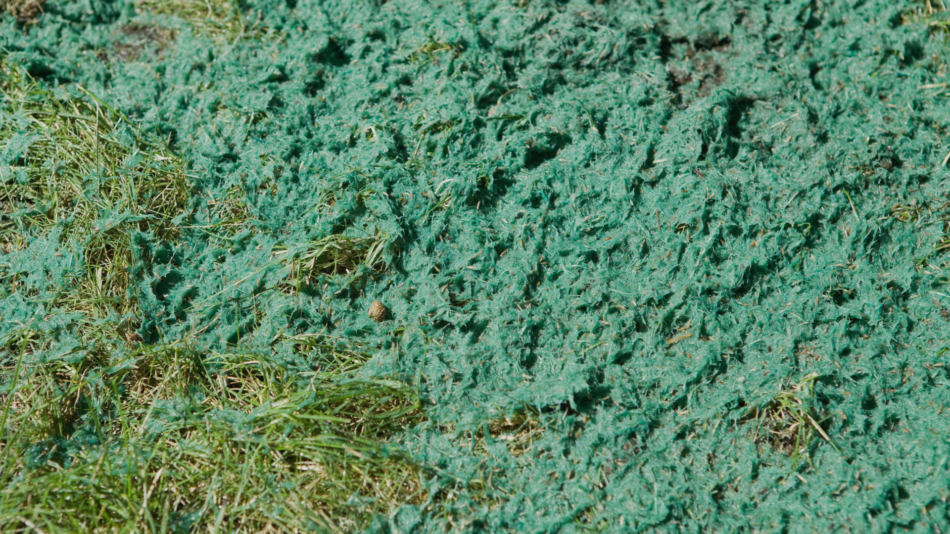
Hydroseeding combines grass seed, water, mulch, and other selected materials into a mixture that is sprayed over prepared soil using specialized equipment. The mulch helps retain moisture around the seeds and provides some protection against environmental conditions during early growth. When the mixture is properly selected and applied, it can support relatively uniform coverage and healthy germination. Before starting a project, however, property owners should understand the local growing conditions, preparation requirements, application process, and maintenance responsibilities.
Understanding How Hydroseeding Works in North Texas
Hydroseeding is a landscaping technique that distributes grass seed through a water-based mixture containing mulch and, when appropriate, fertilizers or soil amendments. Professional contractors prepare the mixture in specialized equipment and spray it across the ground to establish vegetation. This method is commonly used for residential lawns, commercial landscapes, construction sites, roadside areas, and larger properties where traditional hand seeding may require considerable effort.
One of the main advantages of hydroseeding is its ability to cover extensive areas efficiently. The liquid mixture can be applied across open spaces, uneven surfaces, and certain slopes with suitable equipment and application techniques. Mulch creates a protective layer over the soil, helping maintain moisture around the seeds and reducing some exposure to wind and rainfall. These characteristics make hydroseeding a useful option for many North Texas landscaping projects.
However, successful results depend on more than the application itself. Soil preparation, seed selection, weather conditions, irrigation, and ongoing maintenance all influence grass establishment. Property owners should work with experienced professionals who understand regional growing conditions and can recommend materials suited to the specific site.
Why North Texas Weather Matters Before Hydroseeding
North Texas experiences hot summers, occasional freezing winter temperatures, seasonal rainfall variations, and periods of dry weather. These changing conditions can influence seed germination and early grass development. Selecting an appropriate planting period is therefore an important part of planning a hydroseeding project. Applying seed during unsuitable weather may increase stress on developing grass and create additional watering or maintenance requirements.
Spring and fall are often useful planning periods for establishing many types of grass because temperatures can be more moderate. However, the best season depends on the selected grass variety. Warm-season grasses generally establish best when soil temperatures are sufficiently warm, while cool-season varieties have different growing preferences. A professional contractor can recommend a suitable application window based on the grass type and current site conditions.
Summer hydroseeding may also be possible, but higher temperatures can increase moisture requirements and make early maintenance more demanding. Property owners should consider irrigation availability before scheduling the work. Consistent watering, appropriate seed selection, and careful monitoring are especially important when newly applied seeds are exposed to hot or dry conditions.
Choosing the Right Grass Seed for North Texas
Selecting an appropriate grass variety is one of the most important decisions before starting a hydroseeding project. Different grasses have different requirements for sunlight, moisture, soil conditions, and maintenance. Choosing a variety that performs well in the local climate can help reduce establishment problems and support a healthier lawn over time.
Bermudagrass is a popular warm-season option in North Texas because it performs well in sunny areas and can tolerate regular activity. It is commonly used for residential lawns, commercial landscapes, and recreational spaces. However, it generally requires sufficient sunlight and regular maintenance to maintain its appearance.
Buffalograss is another option for certain North Texas properties, particularly where homeowners prefer a native, lower-water-use landscape. It generally performs best in sunny locations with suitable drainage and may require less frequent mowing than some traditional turf varieties. Zoysiagrass may also be considered for selected residential landscapes, although seed availability and establishment requirements vary by variety.
The best choice depends on your property’s specific conditions rather than popularity alone. Soil testing, sunlight assessment, irrigation availability, and intended lawn use can help determine which grass is appropriate. A knowledgeable hydroseeding contractor can explain the advantages and limitations of different varieties before recommending a seed mixture.
Preparing Your Property Before Hydroseeding
Proper soil preparation has a direct influence on the success of a hydroseeding project. Applying a quality seed mixture over compacted, uneven, or debris-covered ground can limit seed-to-soil contact and interfere with germination. Before application, the property should be inspected for rocks, construction waste, unwanted vegetation, and other obstacles that may affect coverage.
Depending on the site’s condition, preparation may include removing weeds, loosening compacted soil, correcting grading problems, and adding suitable topsoil or soil amendments. Drainage should also be evaluated to prevent water from collecting in low areas or flowing excessively across newly seeded surfaces. A properly prepared seedbed creates more favorable conditions for developing roots.
Property owners should discuss soil conditions with their contractor before work begins. A soil test may help identify pH or nutrient concerns that need attention before planting. Texas A&M AgriLife recommends considering grass selection, planting timing, weed control, and soil preparation together when establishing turfgrass.
What to Expect After Hydroseeding
After the hydroseeding mixture has been applied, the next stage is germination and early grass development. During this period, maintaining suitable soil moisture is essential. Newly seeded areas generally need frequent, light watering at first, although the exact schedule depends on the grass variety, soil type, temperature, and rainfall.
As grass begins to develop, watering can gradually be adjusted to encourage deeper root growth. Property owners should avoid unnecessary foot traffic, vehicles, and equipment on newly seeded surfaces. Heavy activity can disturb the developing grass and create bare patches that may require additional treatment.
Germination times vary depending on the seed variety and environmental conditions. Some grasses emerge relatively quickly, while others take longer to establish. It is important to follow the contractor’s recommendations instead of expecting every section to develop at the same rate. Regular inspections can help identify drainage issues, uneven growth, and areas that may need attention.
Once the grass is sufficiently established, the first mowing can be scheduled according to the variety’s recommended height. Avoid removing too much grass during the initial cuts because young plants need enough leaf growth to continue developing. Consistent maintenance during the first growing season can help create a stronger and more attractive lawn.
Finding Professional Residential Hydroseeding Near Me
Finding an experienced contractor is an important step when planning a new lawn or repairing an existing landscape. Homeowners searching for residential hydroseeding near me should compare companies based on their experience, equipment, materials, and understanding of local soil and weather conditions. A contractor familiar with North Texas properties may be better prepared to recommend suitable grass varieties and application schedules.
Start by reviewing previous projects and customer feedback. Look for companies that have experience with residential lawns, commercial properties, slopes, and larger landscaping areas. Before-and-after photographs can provide a useful indication of their work, while customer reviews may help you understand their communication and service quality.
Request an on-site evaluation before accepting a final estimate. A professional contractor should inspect the property, discuss soil preparation, explain the proposed seed mixture, and identify any potential drainage or grading concerns. The estimate should clearly outline application costs, materials, preparation work, and any additional services.
You should also ask about watering instructions and post-application support. Reliable contractors explain what property owners need to do after installation and provide realistic expectations about germination and establishment. Comparing these details can help you choose a company that offers dependable service rather than simply the lowest price.
Final Thoughts
Hydroseeding North Texas is a practical option for property owners who want to establish healthy grass across residential lawns, commercial landscapes, and larger outdoor spaces. Its ability to distribute seed efficiently, support moisture retention, and cover certain challenging surfaces makes it a useful alternative to traditional seeding methods. However, successful results require proper planning and attention to local growing conditions.
Before starting your project, consider the property’s soil quality, sunlight exposure, drainage, grass requirements, and irrigation availability. Choosing the right seed mixture and scheduling the application during a suitable growing period can make a meaningful difference. Proper preparation and consistent maintenance are equally important for helping new grass establish successfully.
Whether you are developing a new lawn or searching for residential hydroseeding near me to improve an existing property, working with an experienced contractor can make the process easier. With suitable materials, professional application, and attentive aftercare, you can create a greener outdoor space that complements your North Texas property and supports long-term landscaping goals.


