 WhatsApp Us Now

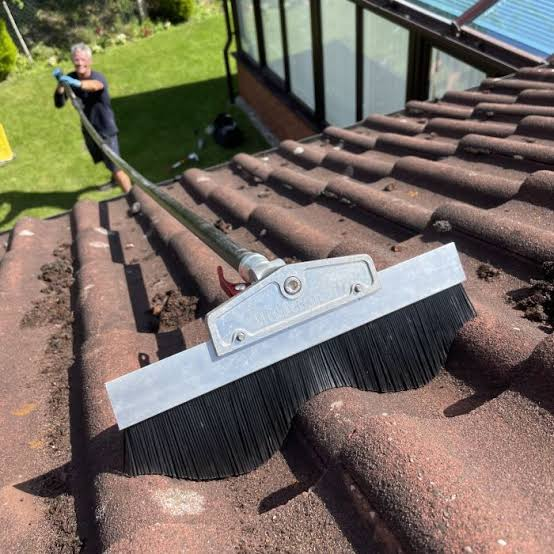
Moss on a roof rarely appears overnight. It often starts as a few green patches around the edges of tiles, then gradually spreads across shaded areas where moisture tends to linger. Before long, thick growth can make the roof look neglected and leave homeowners wondering how to remove it without causing further problems.
Using a roof tile scraper might seem like a straightforward solution, particularly when moss has become thick and difficult to shift. However, removing it is not simply a matter of scraping as hard as possible. The type of roofing material, the condition of the tiles and the way the tool is used all make a difference.
Whether you are dealing with traditional roof tiles or considering slate roof cleaning, taking the right approach can help protect the surface while addressing unwanted moss growth.
Why Does Moss Become So Difficult to Remove?
Moss thrives in damp, shaded conditions. Roofs surrounded by trees or those with limited sunlight may develop more growth because moisture takes longer to evaporate.
Over time, moss can form thick cushions across the roof surface and collect around tile overlaps. When it becomes established, simply brushing away the visible green growth may not be enough to address the underlying problem.
Common signs of moss build-up include:
- Thick green patches spreading across roof tiles.
- Moss gathering around tile edges and in roof valleys.
- Pieces of moss falling into gutters after rainfall.
- Roof surfaces remaining damp for longer than expected.
- Uneven patches of growth across shaded sections of the roof.
Recognising these signs early can make roof maintenance easier and help homeowners decide whether manual removal or another cleaning method is more suitable.
Choosing the Right Roof Tile Scraper
Not every scraper is designed for every roofing material. A tool that works on one type of tile may be unsuitable for another, especially where the surface is fragile or weathered.
Before using a roof tile scraper, consider the following points.
1. Match the Tool to the Roofing Material
Concrete tiles, clay tiles and natural slate have different surface characteristics. Their age and condition also affect how much pressure they can safely tolerate.
A scraper should be suitable for the specific roofing material rather than chosen simply because it removes moss quickly. Using an unsuitable tool can scratch surfaces, damage protective finishes or disturb already weakened tiles.
2. Avoid Excessive Pressure
It can be tempting to push harder when moss refuses to come away. Unfortunately, extra pressure does not always produce a better result.
Aggressive scraping may damage tile surfaces, loosen edges or increase the risk of breakage. Where moss is firmly attached, it is worth assessing whether a different cleaning method would be more appropriate.
3. Pay Attention to Older Roofs
Older roofs need particular care because tiles may already have cracks, surface wear or previous repairs. What appears to be a small patch of moss could be covering a damaged section.
Inspecting the roof before cleaning helps identify areas that require attention. If the tiles appear brittle or unstable, professional assessment is safer than attempting to remove the growth yourself.
Slate Roof Cleaning Requires a More Careful Approach
Natural slate is valued for its appearance and durability, but that does not mean every slate roof can withstand aggressive cleaning.
During slate roof cleaning, the condition of the individual slates matters just as much as the cleaning method. Older slates may be fragile, while their fixings can deteriorate over time. Applying force to remove stubborn moss may cause more harm than the growth itself.
Here are some important considerations:
- Check the slate condition: Cracked, loose or flaking slates should be assessed before cleaning begins.
- Avoid harsh scraping: Metal tools and excessive pressure can damage delicate surfaces.
- Consider the roof’s age: Older roofs may need a gentler approach than recently installed roofing.
- Look beyond visible moss: Damaged fixings, slipped slates and existing leaks should not be overlooked.
- Choose a suitable treatment: Where appropriate, a compatible moss treatment may help address remaining growth without aggressive mechanical removal.
The aim is to remove unwanted vegetation while preserving the roofing material, not to achieve an instantly spotless appearance at the expense of the roof’s condition.
Common Mistakes to Avoid When Scraping Roof Moss
Even a suitable tool can cause problems if it is used incorrectly. A few common mistakes can turn routine roof maintenance into an expensive repair.
Scraping Too Aggressively
Forcing a scraper underneath firmly attached moss can chip tile edges or disturb overlapping sections. Working carefully is more important than removing every patch in a single pass.
Using the Same Method on Every Roof
A method suitable for sturdy concrete tiles may not be appropriate for natural slate or fragile clay tiles. Roofing materials should always be assessed individually.
Ignoring Gutters and Drainage
Removed moss can collect in gutters and downpipes, particularly when large quantities are dislodged at once. Clearing the resulting debris helps reduce the risk of blockages and poor rainwater drainage.
Assuming All Moss Has Been Eliminated
Visible scraping removes surface growth, but it does not necessarily prevent moss from returning. Damp conditions, shade and airborne spores can contribute to renewed growth over time.
For this reason, homeowners should consider the wider condition of the roof rather than judging the result solely by its immediate appearance.
Is Manual Scraping Always the Best Option?
Not necessarily. Manual removal can be useful in suitable circumstances, but it is not automatically the safest or most effective choice for every roof.
The right approach depends on the roofing material, the thickness of the moss, the roof’s condition and how easily the affected areas can be accessed.
For example, thick moss on sturdy tiles may respond to carefully controlled manual removal. A fragile slate roof, however, may require a more cautious assessment before any cleaning begins.
Depending on the circumstances, suitable options may include:
- Careful manual moss removal using appropriate tools.
- A compatible treatment designed for the roofing material.
- A specialist roof-cleaning method selected for the condition of the tiles.
- Follow-up maintenance to monitor regrowth and keep drainage routes clear.
High-pressure washing should not be treated as a universal solution, as it can damage some roofing materials and force water into vulnerable areas.
If the roof is steep, fragile or difficult to reach, avoid climbing onto it to carry out the work yourself. A qualified roof-cleaning specialist can assess the surface and recommend an appropriate method.
How Can You Reduce Moss Regrowth After Cleaning?
Removing existing moss is only part of maintaining a roof. Conditions that encourage its return may still be present after cleaning.
Although regrowth cannot always be prevented completely, sensible maintenance can help keep the roof in better condition.
A few practical steps include:
- Arrange periodic roof inspections to identify new moss growth before it becomes extensive.
- Keep gutters and downpipes clear so rainwater can drain properly.
- Check for slipped or damaged tiles after severe weather.
- Consider suitable moss treatments where recommended for the roofing material.
- Monitor heavily shaded areas, particularly after prolonged periods of wet weather.
Trees do not need to be removed simply because moss is present. However, where safe and appropriate, managing overhanging branches may improve sunlight and airflow around the roof.
Regular checks can also help identify maintenance concerns before they develop into more serious problems.
When Should You Call a Roof Cleaning Specialist?
If moss covers a large section of the roof, the tiles appear damaged or you are unsure which cleaning method is appropriate, seeking professional advice is a sensible step.
This is particularly important for slate roof cleaning, where the condition of the slates and their fixings can affect the safest way to proceed.
A specialist can assess the roofing material, examine the extent of moss growth and determine whether manual removal, a suitable treatment or another method is appropriate.
For homeowners, this means avoiding guesswork and reducing the risk of unnecessary damage caused by unsuitable tools or excessive force.
Keep Your Roof Clean Without Compromising Its Condition
A moss-covered roof does not always require aggressive cleaning. In many cases, the better approach is to understand why the growth has developed, assess the roofing material and select a removal method that suits its condition.
A roof tile scraper can be useful when chosen and used appropriately, but it is not the right answer for every roof. Natural slate and older tiles deserve particular care, as preventing surface damage is just as important as removing visible moss.
With careful assessment, suitable cleaning methods and regular maintenance, homeowners can manage moss growth while helping preserve the appearance and condition of their roof for years to come.


