 WhatsApp Us Now

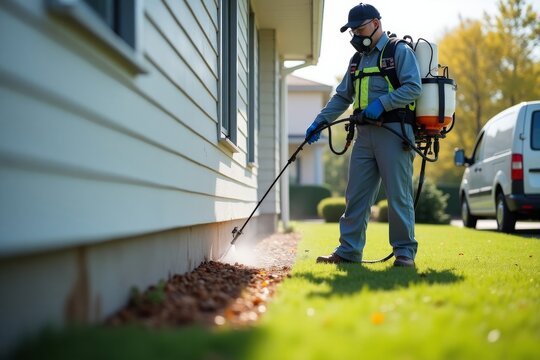
Understanding Outdoor Pest Activity
Outdoor pests can affect gardens, lawns, patios, and areas surrounding a home. Ants may establish colonies near foundations, mosquitoes can breed in standing water, and rodents may seek shelter around sheds or storage spaces. Some pests can damage plants or property, while others become a nuisance during outdoor activities. Identifying the problem early helps homeowners determine suitable prevention measures.
Choosing the Right Outdoor Pest Management Approach
When considering Outdoor Pest Control Services in Fruitland Park FL, homeowners should evaluate which pests are present and where they are causing problems. Insects around garden beds may require different attention from rodents near outdoor structures. Understanding the location, frequency, and type of activity helps determine whether sanitation, exclusion, habitat adjustments, or professional treatment would be appropriate.
Recognizing Signs of Outdoor Infestations
Visible insects, damaged plants, nests, droppings, and unusual activity near entry points may indicate a pest concern. However, occasional insect sightings do not necessarily mean an infestation exists. Look for repeated activity in the same areas and note whether it occurs during particular times of day. These observations can help identify the source and guide further investigation.
Inspecting Common Pest Hiding Places
Pests often gather in sheltered areas where food, moisture, or nesting materials are available. Check spaces beneath outdoor furniture, around sheds, near garbage containers, and along the edges of garden beds. Inspect drainage areas and exterior openings as well. Regular observation can reveal conditions that support pest activity before the problem becomes more difficult to manage.
Understanding Professional Pest Assessments
Pest Control Services in Fruitland Park FL may help homeowners investigate outdoor pest concerns and determine suitable control methods, depending on the provider’s offerings. An assessment may include identifying the pest, examining affected areas, and evaluating possible entry points or breeding locations. Before scheduling service, ask what the inspection covers and whether a written treatment plan or follow-up is available.
Reducing Food Sources Around the Yard
Food scraps, uncovered garbage, and accessible pet food can attract insects and other unwanted animals. Keep trash containers closed, clean outdoor dining areas after use, and avoid leaving food exposed overnight. Store pet food securely and remove fallen fruit when practical. Reducing accessible food sources can make outdoor spaces less attractive to pests without relying entirely on chemical treatments.
Controlling Moisture and Standing Water
Water accumulation can support mosquitoes and contribute to conditions that attract certain pests. Empty containers that collect rainwater, maintain gutters, and address drainage problems where possible. Repair leaking outdoor faucets and inspect irrigation systems for unnecessary water accumulation. If water cannot be removed from a particular area, seek appropriate advice about managing the source safely.
Maintaining Vegetation and Outdoor Storage
Overgrown vegetation and clutter can create sheltered places for pests. Trim plants where appropriate, remove unnecessary debris, and keep stored materials organized. When practical, maintain clear space around the home’s exterior so potential pest activity is easier to notice. Inspect firewood, cardboard, and unused containers before bringing them indoors, since these materials may shelter insects or rodents.
Using Pest Treatments Responsibly
Treatment methods should match the pest and the conditions around the property. Depending on the situation, professionals may recommend traps, targeted applications, exclusion methods, or other measures. Read product labels carefully and follow instructions about application, protective equipment, and restricted access. Avoid applying pesticides near drains, water bodies, or flowering plants unless the product specifically permits the intended use.
Protecting Children, Pets, and Beneficial Insects
Outdoor pest management should consider people, animals, and insects that contribute to the environment. Before treatment, ask which precautions are necessary for children and pets and when treated areas can be used again. Identify the target pest before taking action, since many outdoor insects are harmless or beneficial. Avoid unnecessary applications that could affect pollinators or other useful species.
Monitoring Pest Activity After Treatment
A treatment may not immediately eliminate every visible pest, and some problems can return if their underlying causes remain. Observe affected areas after service and follow the provider’s recommendations for monitoring or additional visits. Keep track of recurring activity and changes in pest behavior. If the problem continues, reassessing the pest identification and surrounding conditions may help determine the next step.
Creating a Practical Outdoor Prevention Routine
Maintaining a comfortable outdoor environment involves regular inspection, responsible treatment, and consistent property care. By controlling moisture, securing food and garbage, maintaining vegetation, and checking common pest hiding places, homeowners can reduce conditions that encourage unwanted activity. When outdoor pest problems persist, professional evaluation can help identify contributing factors and establish a suitable plan for protecting the property.


