 WhatsApp Us Now

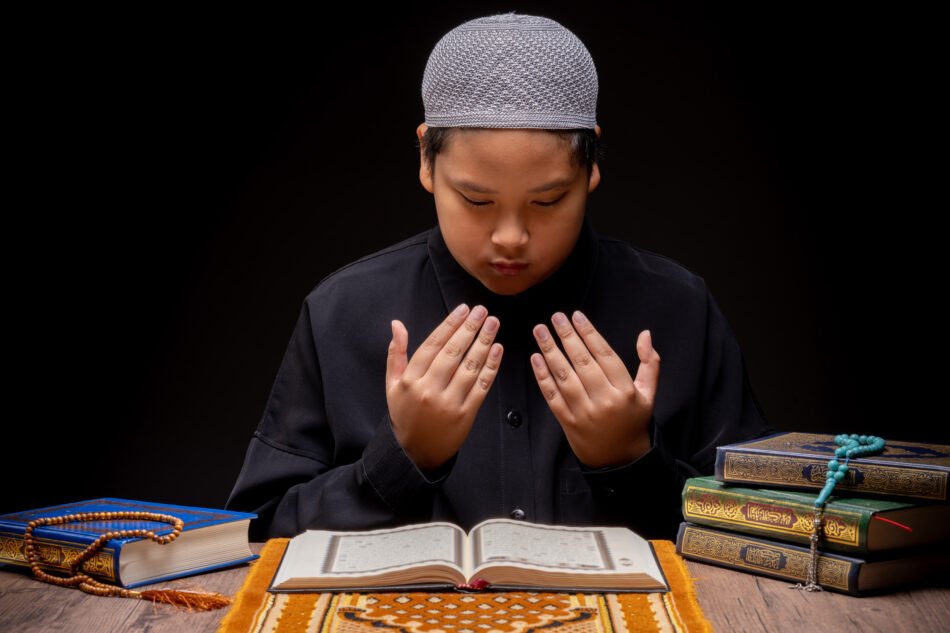
Teaching a child to read the Quran is one of the most meaningful gifts a parent can give. But the person who guides that journey matters as much as the decision itself. A patient, qualified teacher can build a lifelong love for the Quran, while a poor fit can leave a child frustrated, anxious, or disconnected from it.
This guide walks you through what to look for in a Quran tutor, which questions to ask, and which warning signs to avoid, so you can choose with confidence.
Why the Choice of Tutor Matters
Children form lasting associations early. If their first experience of Quran learning is warm, encouraging, and structured, they tend to carry that feeling into adulthood. If it is marked by harshness, boredom, or confusion, the opposite can happen.
A good Quran tutor does more than correct pronunciation. They shape your child’s relationship with the Book of Allah, their confidence, and their discipline. Treat this decision with the same care you would give to choosing a school.
1. Check Their Qualifications and Chain of Learning
Expertise is the foundation of good Quran teaching. Look for:
- Ijazah (authorization to teach): Many respected teachers hold an ijazah in recitation, which means they studied under a certified teacher and trace their learning back through a chain of scholars.
- Tajweed knowledge: Your child’s Quran tutor should be able to teach the rules of Tajweed (proper articulation of letters, elongations, and pauses) clearly and correctly.
- Formal study: Training at a recognized Islamic institution, university, or under established scholars is a strong sign of reliability.
- Fluency in Arabic: A tutor who understands the language can explain meanings, not just sounds.
Do not hesitate to ask for proof of qualifications. A sincere teacher will welcome the question.
2. Look for Experience With Children
Teaching adults and teaching children are very different skills. A knowledgeable scholar is not automatically a good teacher for a seven-year-old.
An experienced Quran tutor for children will typically:
- Break lessons into short, manageable segments
- Use repetition, praise, and gentle correction
- Adjust pace to the child’s attention span
- Make lessons engaging through stories, recitation games, or simple rewards
- Stay patient when a child struggles with the same letter repeatedly
Ask how long they have taught children and at what ages. A tutor who works well with beginners will understand why a child may stumble over letters like ع (ayn) or ق (qaf) and know how to help.
3. Prioritize Character and Manners (Akhlaq)
You are trusting this person with your child’s heart as well as their recitation. Character matters as much as credentials.
Observe whether the tutor is:
- Patient and gentle, not harsh or dismissive
- Respectful toward both you and your child
- Punctual and reliable
- A good role model in conduct and speech
The Prophet ﷺ was known for his gentleness with children, and that is a good standard to hold teachers to. A child who feels safe is far more likely to learn well.
4. Decide Between Online and In-Person Learning
Both formats can work well, and the better choice depends on your family’s situation.
Online lessons offer flexibility, a wider choice of qualified teachers, and the comfort of learning from home. They suit families who lack a good teacher nearby, but they require a stable internet connection and a quiet space. Younger children may also need a parent nearby to keep them focused.
In-person lessons (at home or at a mosque or institute) can offer stronger focus and personal connection, especially for very young children. They are limited by location and a smaller pool of available teachers.
Whichever you choose, the quality of the Quran tutor matters more than the format.
5. Ask About Their Teaching Method and Curriculum
A good teacher has a clear plan. Ask questions such as:
- Do you begin with the Noorani Qaida or a similar foundation course?
- How do you structure progress from letters, to joining, to reading, to Tajweed?
- How often will you give feedback on my child’s progress?
- Do you offer revision and memorization (Hifz) support later on?
- How do you handle a child who is shy, distracted, or slow to progress?
Be cautious of anyone who cannot explain their approach or promises your child will “finish the Quran in a few weeks.” Real, accurate learning takes steady time.
6. Always Request a Trial Lesson
A trial lesson is the best way to judge compatibility. During it, observe:
- Does your child feel comfortable and engaged?
- Is the tutor’s pronunciation clear and accurate?
- Does the tutor listen as well as instruct?
- Are corrections gentle and constructive?
- Does the lesson feel organized, not rushed or improvised?
If you can, sit in on the lesson (or watch quietly in the background). Your own impression, plus your child’s reaction afterward, will tell you a great deal.
7. Prioritize Child Safety and Transparency
Trustworthiness is essential when someone works with children. Reasonable safeguards include:
- Keeping online lessons in a shared family space, with the door open and the camera visible
- Being present or nearby during lessons, especially for younger children
- Using a reputable platform, or a tutor with verifiable references
- Communicating openly about schedules, fees, and cancellation policies before you start
- Trusting your instincts: if something feels wrong, it is fine to stop
Ask for references or reviews from other parents, and speak with them directly if possible. A trustworthy Quran tutor will be transparent about their background and happy to be vetted.
8. Be Clear About Fees and Expectations
Rates vary widely depending on location, experience, and format. The cheapest option is not always the best, and the most expensive is not guaranteed to be better. Focus on value: qualifications, consistency, and results over time.
Agree up front on:
- Lesson length and frequency
- Payment schedule
- Missed-lesson and rescheduling rules
- How progress will be reported to you
9. Watch for Red Flags
Consider looking elsewhere if you notice:
- Harsh punishment, shouting, or humiliation of the child
- Inability or unwillingness to show credentials
- Frequent lateness or cancellations
- Incorrect or inconsistent recitation
- Pressure to pay large amounts upfront
- Guarantees of unrealistic results
- Discomfort or reluctance from your child that persists beyond the first few lessons
10. Support the Process at Home
Even the best Quran tutor cannot do everything alone. Children progress fastest when parents:
- Set a consistent daily practice time, even 10 to 15 minutes
- Listen to their recitation and offer encouragement
- Celebrate small milestones, like finishing a page or mastering a letter
- Stay in regular contact with the teacher about progress and challenges
- Model a love of the Quran themselves
Your involvement tells your child that this learning matters.
Frequently Asked Questions
What age can a child start learning Quran?
Many children begin around age four to six, starting with letter recognition and simple sounds. The right age depends on the individual child’s readiness and attention span.
How long does it take to learn to read the Quran?
It varies by age, consistency, and teaching quality. Many children learn basic reading within several months to a year of regular lessons, with Tajweed and fluency developing over a longer period.
Should I choose a male or female tutor?
This is a personal and family decision. Many parents choose based on their child’s comfort, their family’s values, and the tutor’s qualifications.
What if my child loses interest?
Waning motivation is common. Talk to the tutor about adjusting the pace, adding variety, or using rewards. Sometimes a change in teaching style or tutor makes all the difference.
Final Thoughts
Choosing a Quran tutor is a decision of trust. Look for a teacher who combines sound qualifications, experience with children, good character, and a clear teaching method. Use a trial lesson to confirm the fit, stay involved at home, and don’t be afraid to change course if something isn’t working.
With the right guidance, your child can learn to recite the Quran correctly and also to love it. May Allah make the journey easy and blessed for you and your family.


