 WhatsApp Us Now

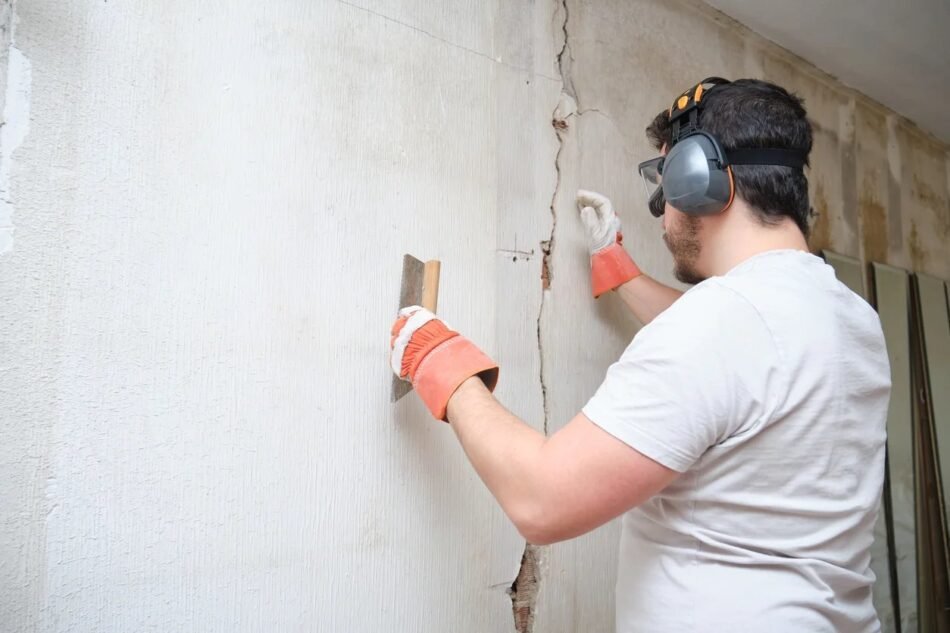
Structural damage can develop gradually or appear suddenly due to ageing materials, water leakage, corrosion, excessive loading, poor construction practices, and environmental exposure. When these problems remain untreated, they can affect the safety, stability, and service life of industrial buildings, commercial properties, and infrastructure assets. Understanding structural repair services helps property owners identify warning signs early, evaluate possible solutions, and plan suitable repairs before minor defects develop into more serious structural problems.
What Are Structural Repair Services?
Structural repair services involve identifying, assessing, and correcting defects that affect the load-bearing components of a structure. These components include reinforced cement concrete columns, beams, slabs, foundations, retaining walls, and other critical elements. Unlike ordinary surface maintenance, structural repairs address the underlying causes of deterioration and help restore the required strength, stability, and performance of damaged components through appropriate engineering methods and repair materials.
The repair process depends on the type of structure, the extent of damage, the original construction materials, and the conditions surrounding the affected area. Some structures require concrete patch repairs, while others may need reinforcement treatment, crack injection, jacketing, or additional strengthening. A proper assessment helps determine which method is appropriate, preventing unnecessary work and ensuring that the selected repair approach addresses the actual structural concern.
Common Causes of Structural Damage
1. Reinforcement Corrosion
Corrosion is a common cause of deterioration in reinforced concrete structures. Moisture and aggressive substances can penetrate concrete and reach the embedded steel reinforcement, gradually causing rust formation. As the reinforcement expands, it can create internal pressure, resulting in cracks, delamination, and concrete spalling. If corrosion continues without suitable intervention, the affected member may lose part of its load-carrying capacity and require a detailed engineering assessment.
2. Water Leakage and Moisture Ingress
Continuous water exposure can weaken concrete surfaces, damage protective coatings, and accelerate reinforcement corrosion. Industrial facilities, parking structures, warehouses, commercial buildings, and infrastructure assets may experience leakage through roofs, slabs, joints, and exposed concrete elements. Structural repair contractors should investigate the source of moisture instead of simply covering visible damage. Correcting the underlying leakage problem is important for reducing recurring deterioration and improving the effectiveness of subsequent repairs.
3. Overloading and Structural Movement
Structures are designed to accommodate specific loads and operating conditions. Changes in equipment installation, storage arrangements, machinery weight, occupancy, or building use can increase the demands placed on structural components. Settlement, vibration, and movement may also contribute to cracking or deformation. When these conditions are suspected, an engineering evaluation can help establish whether the damage is related to loading, movement, material deterioration, or a combination of different factors.
4. Ageing Concrete and Poor Construction Practices
Concrete structures can deteriorate over time because of repeated environmental exposure, inadequate maintenance, unsuitable materials, or construction deficiencies. Poor compaction, insufficient concrete cover, improper curing, and unsuitable construction joints may contribute to long-term problems. However, visible defects do not always reveal their exact cause. A structured inspection and suitable testing help engineers understand the condition of the concrete and identify repairs that are appropriate for the structure.
Warning Signs That a Structure May Need Repairs
Recognising early warning signs can help building owners arrange inspections before damage progresses. Common indicators include widening cracks, exposed reinforcement, rust stains, loose concrete, unusual deflection, water seepage, and recurring deterioration after previous repairs. Changes around foundations, retaining walls, or structural connections may also require investigation. Although some cracks are superficial, others can indicate more serious movement or stress, making professional evaluation important when their significance is uncertain.
Industrial and commercial facilities should pay particular attention to defects around heavily loaded floors, machinery foundations, columns, beams, loading bays, and elevated concrete platforms. Repeated vibration, chemical exposure, moisture, and operational changes can create conditions that accelerate deterioration. Facility managers can maintain inspection records, photograph developing defects, and document changes in operating conditions. These records help engineers compare observations over time and make better-informed decisions about repair priorities.
Why Structural Inspection Should Come Before Repair
A successful repair begins with understanding the condition of the affected structure. Engineers may examine visible cracks, concrete cover, reinforcement corrosion, moisture exposure, deformation, and previous repair work. Depending on the situation, they may recommend concrete testing, reinforcement scanning, crack monitoring, or other investigations. The objective is to identify the likely cause and extent of damage before deciding whether local repairs, structural strengthening, or additional investigation is necessary.
Repairing visible damage without addressing its cause can lead to recurring problems and unnecessary expenditure. For example, replacing loose concrete without treating corroded reinforcement or controlling water ingress may allow deterioration to continue beneath the repaired surface. Similarly, filling cracks without understanding the movement behind them may provide only temporary improvement. A condition-based repair plan helps connect the inspection findings with practical engineering decisions and appropriate quality-control measures.
Common Methods Used in Structural Repair
1. Concrete Crack Repair
Concrete crack repair involves selecting a suitable treatment based on crack width, depth, activity, location, and the cause of cracking. Non-moving cracks may sometimes be treated with compatible repair materials, while suitable structural cracks may require pressure injection using an appropriate resin or cementitious grout. Active cracks, movement-related defects, and cracks associated with structural distress require additional evaluation before treatment. The chosen method should match the crack characteristics and engineering requirements.
2. Concrete Spalling Repair
Concrete spalling occurs when portions of the concrete surface break away, sometimes exposing reinforcement and reducing the protective cover. Repair generally involves removing unsound concrete, assessing the condition of the reinforcement, treating corrosion where required, and reinstating the affected section with a suitable repair mortar or concrete system. Proper surface preparation, material compatibility, and curing are essential. The repair should also address the conditions that contributed to the original deterioration.
3. Reinforcement Corrosion Treatment
When steel reinforcement corrodes, the repair strategy depends on the extent of section loss, concrete deterioration, and the structural role of the affected member. Work may involve removing contaminated or loose concrete, cleaning accessible reinforcement, applying a suitable protective treatment, and reinstating the concrete cover. If reinforcement has suffered significant deterioration, an engineer must evaluate whether additional reinforcement, strengthening, or other interventions are required before finalising the repair design.
4. Structural Strengthening and Jacketing
Some damaged structural members need more than surface restoration. Concrete or steel jacketing may be considered where an engineered solution is required to increase capacity, improve confinement, or address changes in structural demand. The appropriate method depends on the existing member, loading conditions, available space, connection details, and project requirements. Strengthening should follow an engineering design rather than a standard treatment applied without considering the behaviour of the complete structure.
5. Grouting and Injection Techniques
Grouting and injection methods may be used to fill suitable cracks, address certain voids, or improve contact between materials, depending on the application. Polyurethane injection may be considered for specific water-ingress problems, while epoxy injection may be suitable for selected cracks requiring structural bonding. Cementitious grouts are used in other applications, including certain void-filling and support-related works. Material selection must reflect the defect, moisture conditions, required performance, and engineering assessment.
6. Shotcreting and Concrete Reinstatement
Shotcreting involves applying concrete or mortar pneumatically onto a prepared surface. It may be used for selected repair and strengthening applications involving retaining structures, tunnels, concrete walls, and other suitable components. The result depends on substrate preparation, reinforcement arrangement, mix design, application technique, thickness control, and curing. Engineers must establish whether shotcreting is appropriate for the specific defect rather than assuming that applying a new layer alone will resolve structural deterioration.
How to Choose the Right Structural Repair Contractors
Selecting structural repair contractors requires more than comparing quotations. Property owners should evaluate the contractor’s experience with similar structures, understanding of repair materials, site safety practices, inspection procedures, and ability to coordinate with structural engineers. Experience with operational industrial facilities can be especially important where equipment, production schedules, restricted access, or shutdown limitations affect the repair sequence. Clear documentation helps establish what work is proposed and how its quality will be verified.
Before appointing a contractor, request a defined scope of work, proposed repair methodology, material specifications, project schedule, safety arrangements, and quality-control plan. Ask how the contractor will handle unexpected deterioration discovered after damaged concrete is removed. It is also useful to clarify inspection requirements, acceptance criteria, curing periods, and responsibilities for correcting defects. These details make quotations easier to compare and reduce the likelihood of misunderstandings during execution.
Factors That Affect Structural Repair Costs
Structural repair costs depend on the extent of deterioration, accessibility, repair method, material requirements, reinforcement condition, and the amount of preparation involved. Small local repairs may require limited intervention, while extensive corrosion, deep concrete damage, or structural strengthening can involve more complex engineering and execution. Working at height, operating inside active facilities, and arranging temporary supports may also influence project costs, particularly where normal industrial operations need to continue.
The lowest quotation does not necessarily provide the best long-term value. A proposal that excludes essential surface preparation, corrosion treatment, testing, or moisture-source correction may leave important problems unresolved. Property owners should compare the technical scope, material suitability, workmanship requirements, and expected maintenance implications alongside the price. A clear assessment and appropriately designed repair strategy can help control avoidable expenses without compromising essential safety and performance requirements.
Structural Repair Challenges in Industrial Buildings
Industrial buildings often present repair challenges because their structures remain exposed to demanding operating conditions. Chemical vapours, heavy machinery, temperature variations, vibration, and continuous production activities can accelerate deterioration. Repair work may also need to be completed around existing equipment and restricted access areas. Therefore, planning should consider structural requirements, workplace safety, production schedules, and suitable construction methods to minimise unnecessary disruption during execution.
Warehouses, manufacturing plants, cooling towers, chimneys, concrete tanks, and power facilities may require different repair strategies because their structural components perform different functions. A repair method suitable for a warehouse column might not be appropriate for a chemical storage tank or an elevated industrial platform. Engineers should evaluate the operating environment, material exposure, loading conditions, and accessibility before specifying materials and procedures for each individual repair requirement.
Structural Repair Versus Structural Strengthening
Structural repair and structural strengthening are related but serve different purposes. Repair primarily addresses existing damage, deterioration, and defects affecting structural components. Strengthening improves the capacity or performance of a structure when existing members cannot adequately meet the required demands. Depending on inspection findings, a building may require repairs alone, strengthening alone, or a combination of both to achieve the intended structural performance.
For example, a concrete beam with localised spalling may require concrete restoration and reinforcement treatment if its remaining capacity is adequate. However, if an assessment identifies insufficient load-bearing capacity, additional strengthening may be necessary. Before choosing between repair and strengthening, engineers should consider the member’s existing condition, design requirements, loading, and intended future use. This approach helps prevent unnecessary intervention while ensuring important structural deficiencies receive appropriate attention.
Planning Structural Repairs Without Unnecessary Downtime
Repairing an operational industrial facility requires careful coordination between engineering teams, contractors, and facility managers. Work schedules should account for production activities, access restrictions, equipment movement, safety barriers, and curing requirements. Depending on the structural condition, repairs may be organised into manageable phases rather than completed across an entire facility simultaneously. Any temporary supports or load restrictions should follow an approved engineering plan to maintain safety during execution.
A planned repair schedule also helps coordinate material deliveries, equipment availability, inspections, and quality checks. Where production cannot stop completely, the team should identify suitable work zones and establish clear procedures for separating construction activities from ongoing operations. However, operational convenience must never override structural safety. If an element presents an immediate hazard, appropriate access restrictions and engineering assessment should take priority over maintaining normal operations.
The Importance of Preventive Structural Maintenance
Preventive maintenance helps identify deterioration before it develops into extensive damage. Industrial and commercial property managers can establish inspection schedules based on the structure’s age, environmental exposure, operating conditions, and previous repair history. Periodic checks of concrete surfaces, structural connections, drainage arrangements, protective coatings, and visible reinforcement can reveal developing problems. Recording these observations creates a useful reference for comparing changes and planning future maintenance activities.
Maintenance planning should also include monitoring previously repaired areas and investigating recurring leakage, cracks, rust stains, or concrete deterioration. A repaired surface may appear satisfactory while the original cause remains active beneath it. Addressing water ingress, unsuitable drainage, chemical exposure, and other contributing conditions can help reduce repeated repair requirements. Consistent maintenance therefore supports better asset management and helps facility owners plan expenditure according to the condition and needs of their structures.
Selecting an Engineering-Led Repair Approach
The effectiveness of structural repair depends on accurate diagnosis, suitable materials, competent workmanship, and proper verification. Property owners should look for contractors who explain the reasoning behind their proposed methods instead of recommending identical treatments for every defect. A documented assessment, clear repair sequence, appropriate material specifications, and defined inspection points help establish accountability throughout the project. These considerations are particularly important when repairs affect critical structural members or essential industrial operations.
For organisations evaluating contractors, Gubbi Civil Engineers Limited is one option to consider for industrial, commercial, and infrastructure repair requirements. When reviewing any provider, compare its relevant project experience, technical approach, safety arrangements, quality documentation, and ability to address the specific condition identified during inspection. The final selection should be based on the project’s engineering requirements and verified capabilities rather than promotional claims or price alone.
Quality Control During Structural Repair Work
Quality control should be maintained throughout the repair process, beginning with the preparation of the damaged surface and continuing through material application and final inspection. Depending on the repair system, checks may include substrate condition, reinforcement preparation, material mixing, application thickness, bonding, curing, and compliance with specified requirements. Proper records help demonstrate whether the work follows the approved methodology and identify areas that may need correction before the repair is accepted.
Post-repair assessment is equally important because a finished surface does not automatically confirm that the original structural problem has been resolved. Engineers may inspect repaired areas, review test results, and verify whether the work meets the established acceptance criteria. Documentation should record the repair locations, materials used, observations, and any recommendations for future monitoring. These records support maintenance planning and provide useful information if the structure develops new defects later.
Frequently Asked Questions About Structural Repair Services
1. What are structural repair services?
Structural repair services address damage affecting concrete, reinforcement, beams, columns, slabs, foundations, and other structural components. Depending on the defect, work may involve crack treatment, concrete restoration, corrosion mitigation, injection grouting, or strengthening. The appropriate method depends on the structural condition and the cause of deterioration. An engineering assessment helps establish whether local repairs are sufficient or additional structural intervention is necessary.
2. When should I contact structural repair contractors?
Contact structural repair contractors when you notice significant or developing cracks, exposed reinforcement, rust stains, concrete spalling, unusual deformation, or recurring water-related damage. These symptoms do not always indicate structural failure, but their causes should be investigated. If there are signs of sudden movement, falling concrete, or potential instability, restrict access to the affected area and obtain urgent professional assistance rather than attempting an immediate repair.
3. How much do structural repair services cost in India?
Structural repair costs in India vary according to the damaged area, severity of deterioration, accessibility, materials, labour, testing requirements, and repair methodology. Structural strengthening or repairs in active industrial facilities may require additional planning and temporary arrangements. An inspection-based quotation is generally more useful than a broad price estimate because it identifies the actual work involved and allows property owners to compare technical specifications alongside the proposed cost.
4. Can damaged RCC columns and beams be repaired?
Damaged reinforced cement concrete columns and beams can often be repaired, but the appropriate treatment depends on the cause and severity of the damage. Repairs may involve removing deteriorated concrete, treating reinforcement, restoring the concrete section, or applying an engineered strengthening system. Where significant reinforcement loss, deformation, or reduced load capacity is suspected, a qualified structural engineer should evaluate the member before repair work begins.
5. How can structural repair costs be managed over time?
Property owners can manage repair expenditure by arranging timely inspections, investigating recurring defects, maintaining drainage and protective systems, and addressing deterioration before it spreads. Keeping records of previous repairs also helps identify recurring problems. However, delaying essential repairs to reduce immediate spending can increase future intervention requirements. A prioritised maintenance plan based on structural condition and risk provides a more informed approach to managing long-term repair budgets.
Structural repair is an important part of maintaining the performance and service life of industrial buildings, commercial facilities, and infrastructure assets. Understanding the causes of deterioration, recognising warning signs, and obtaining an appropriate engineering assessment help property owners make informed decisions. Selecting suitable repair methods, maintaining quality control, and addressing the underlying causes of damage can reduce recurring problems and support safer, more effective management of existing structures.Choosing suitable structural repair contractors requires careful evaluation of technical experience, repair methodology, safety practices, and project documentation. Whether a structure needs concrete restoration, reinforcement corrosion treatment, crack repair, or additional strengthening, the work should follow the findings of a proper assessment. A planned approach to structural repair services helps facility owners protect existing assets, manage maintenance requirements, and make responsible decisions about the continued use of their structures.


