 WhatsApp Us Now

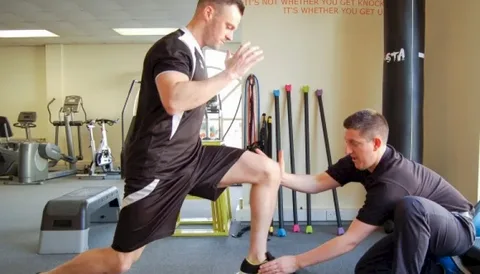
Recovering from a sports injury takes patience, the right guidance, and a structured approach. Whether you have experienced a muscle strain, ligament sprain, joint injury, or discomfort during training, appropriate sports injury rehabilitation can help you work towards better movement and physical confidence.
At Stuart Mailer Physiotherapy & Sports Medicine, personalised physiotherapy focuses on understanding your injury, assessing your movement, and developing a recovery plan suited to your needs. Every person recovers differently, so treatment should reflect your symptoms, activity level, and sporting goals.
Why Rehabilitation Matters After an Injury
Returning to exercise too quickly can place unnecessary stress on recovering tissues. A carefully planned rehabilitation programme can help improve flexibility, rebuild strength, develop balance, and restore coordination. These elements are particularly valuable for activities involving running, jumping, sudden changes of direction, and lifting.
Physiotherapy may include strengthening exercises, mobility training, movement assessments, and practical advice about gradually increasing training intensity. Your progress can be reviewed and your programme adjusted as your abilities improve.
Personalised Support for Your Recovery
Professional guidance can help you understand which activities are appropriate at different stages of recovery. Whether you play football, run regularly, attend the gym, or enjoy recreational sports, treatment should consider the physical demands of your chosen activity.
Stuart Mailer Physiotherapy & Sports Medicine provides physiotherapy support to help individuals improve movement and work towards returning to their usual activities with greater confidence.
Frequently Asked Questions
1. What is sports injury rehabilitation?
Sports injury rehabilitation is a structured process designed to improve strength, mobility, coordination, and physical function following an injury.
2. How long does sports injury rehabilitation take?
Recovery time depends on the injury, its severity, your general fitness, and how your body responds to treatment. Your physiotherapist can help establish suitable progress goals.
3. Can physiotherapy help prevent future sports injuries?
Physiotherapy can help identify movement limitations and strength weaknesses. Targeted exercises and appropriate training advice may reduce injury risk, although injuries cannot always be prevented.


