 WhatsApp Us Now

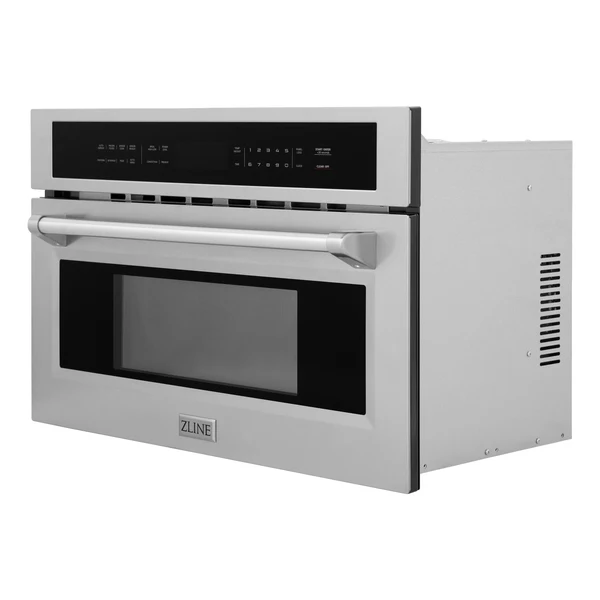
Kitchen layouts rarely leave room for waste, and every appliance has to earn its place. Installing a 30-inch over-the-range microwave is a popular way to save counter space, since it combines cooking and ventilation in one unit mounted above the stove. It suits standard 30-inch ranges, which are common in American homes. Before buying, it helps to understand clearances, venting, power needs, and features. The sections below cover each of these, so the finished kitchen works as well as it looks.
Measuring Width, Height, and Cabinet Clearance
Most units are designed for a 30-inch opening, but width is only one measurement to confirm. Check the distance between the cooktop surface and the bottom of the upper cabinet, since manufacturers usually specify a minimum clearance, often around 66 inches from the floor to the top of the mounting area. Depth matters too, because a deep unit can protrude beyond neighboring cabinets and interfere with tall pots. Measuring twice and comparing results with the installation template prevents costly returns.
Ducted Versus Recirculating Ventilation Explained
Ventilation is the feature that separates these units from countertop models. Ducted systems send smoke, steam, and grease outdoors through an exterior vent, which removes odors most effectively. Recirculating systems pass air through a charcoal filter and return it to the room, making them useful where ductwork cannot be added. A 30-inch over-the-range microwave often supports both options, though switching modes may require a separate filter or duct adapter. Airflow is rated in cubic feet per minute, and higher numbers suit heavy cooking such as frying or searing.
Understanding Wattage, Capacity, and Electrical Needs
Cooking power usually ranges from about 900 to 1,200 watts, and higher wattage heats food faster and more evenly. Capacity, typically between 1.6 and 2.1 cubic feet, determines whether a large casserole dish or dinner plate will fit and rotate freely. These appliances need a dedicated 120-volt grounded outlet, generally on a 15- or 20 amp circuit, placed inside the cabinet above or beside the unit. Confirming this before installation avoids the need for an electrician to reroute wiring after the appliance arrives.
Sensor Cooking, Controls, and Everyday Features
Modern models, like 30-inch over-the-range microwaves, include sensor cooking, which adjusts time and power by detecting steam released from food. This reduces guesswork when reheating or cooking vegetables. Touch controls are easy to wipe clean, though some households prefer physical dials for simplicity. Turntable options, child lock settings, and built-in cooktop lighting add convenience. Consider how the family actually cooks, because a feature that looks impressive in a showroom may go unused, while a strong exhaust fan or a quiet fan speed will be appreciated daily.
Matching Finish and Style to the Rest of the Kitchen
Because the unit sits at eye level above the range, its finish is highly visible. Stainless steel remains the most common choice, while black stainless and matte black finishes are gaining ground in modern designs. Matching the handle style and tone to the range and refrigerator creates a cohesive look. Homeowners buying several appliances together sometimes explore Zline appliance packages, which bundle coordinated pieces so finishes and proportions align without extra effort. Fingerprint-resistant coatings also keep the surface looking clean with less wiping.
Installation Steps and Safety Considerations
Installation typically involves attaching a mounting plate to the wall, securing the unit to the upper cabinet, and connecting the vent. Since these appliances are heavy, two people should handle lifting. Locate wall studs for the mounting plate, and turn off power at the breaker before making connections. Keeping the manual nearby helps confirm torque, screw placement, and vent transition details. Professional installation is worth considering when ductwork is involved or when the electrical setup is uncertain.
Conclusion
Choosing well comes down to accurate measurements, the right venting method, adequate power, and features that suit daily cooking. A carefully selected 30-inch over-the-range microwave frees up counter space while improving air quality above the stove. For buyers who want to compare appliance options with helpful product details in one place, Smart Home Luxury provides a browsable selection of kitchen appliances. With planning and careful installation, the result is a kitchen that is efficient, comfortable, and visually consistent.


