 WhatsApp Us Now

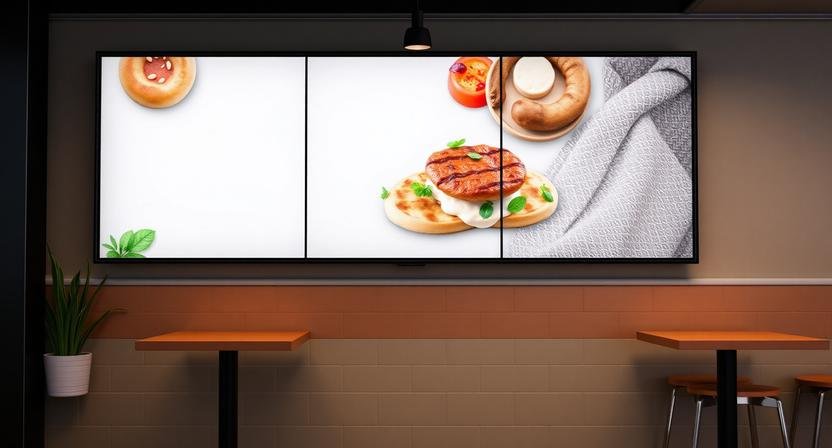
The restaurant business is dynamic, and technology continues to change how customers experience dining. The shift from traditional printed menus to restaurant TV menus is one of the most noticeable changes in recent years. Commonly known as digital menu boards for restaurants, these dynamic displays are becoming a common feature in eateries, from fast-food chains to upscale cafes. This article discusses why this technology is important, its benefits for businesses, and what to consider before making the switch.
What Is a Restaurant TV Menu?
A restaurant TV menu is a digital menu displayed on a television screen or monitor that presents food and beverage options. Instead of relying on printed menus that require manual updates, restaurants can use screens to display items, prices, images, and special offers. Such displays can be updated in real time, programmed to change throughout the day, and styled to reflect a brand’s visual identity.
Digital menu boards for restaurants go beyond simply replacing paper. They create a more engaging visual experience, make ordering easier, and enable businesses to respond quickly to changing conditions.
Why Restaurants Are Adopting Digital Menu Boards
Improved Visual Appeal
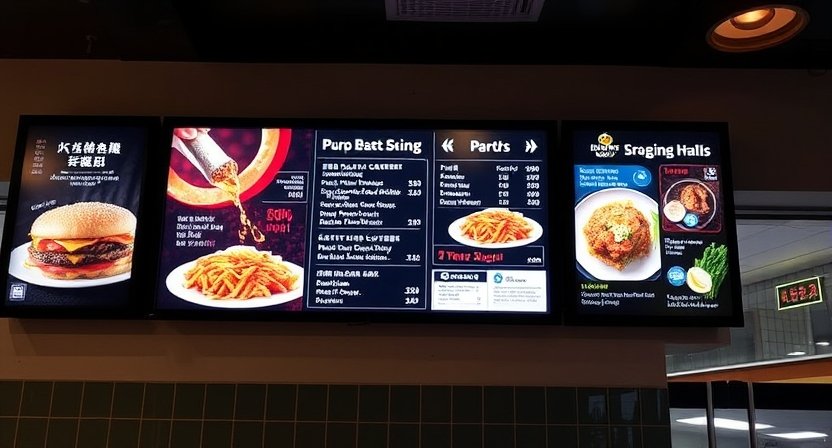
Good-quality pictures of food are effective selling points. Mouth-watering photos and videos can be shown on a restaurant TV menu to make dishes appear more appealing. Digital displays also have an advantage over printed menus, which are restricted by print quality and space. They can feature vibrant colors and motion graphics that attract customers’ attention.
Real-Time Updates
Prices change. Items sell out. Seasonal specials come and go. In restaurants with digital menu boards, it takes only a few seconds to update any of these details. Menus do not have to be reprinted, and sold-out items do not need to be crossed out manually. This flexibility helps ensure that customers always see accurate information.
Better Customer Experience
Customers value transparency and convenience. An effective restaurant TV menu divides items into distinct categories, emphasizes popular choices, and clearly displays prices. This saves time, reduces decision fatigue, and makes ordering quicker, particularly during peak hours.
Cost-Effectiveness in the Long Run
Although purchasing digital menu boards may involve a higher initial cost, the savings over time can be significant. Restaurants do not have to pay for reprinting menus whenever prices or offerings change. Digital displays also help reduce paper waste, which aligns with growing consumer interest in sustainable practices.
The Main Features to Consider in Digital Menu Boards
Not all digital menu boards are created equal. These are the key features to consider when evaluating different options:
- Content Management System (CMS): A simple CMS enables employees to make changes to menus without requiring technical skills.
- Scheduling Capabilities: Menus can be automatically updated according to the time of day, such as breakfast, lunch, and dinner.
- High-Resolution Displays: Clear images are essential for presenting mouth-watering food photography.
- Remote Management: Restaurants with multiple locations can update all their screens from a single location.
- Durability: Screens installed in kitchens or busy counter areas must be able to withstand heat, grease, and frequent use.
How Digital Menu Boards Enhance Operations
In addition to improving visual appeal, restaurant digital menu boards simplify operations in several important ways. They reduce the time staff spend responding to questions about prices or item availability. They also enable restaurants to experiment with promotions. If a certain product is not selling well, it can be repositioned or highlighted on the screen within a few hours.
A restaurant TV menu displayed during peak hours can also direct customers toward high-margin products or combo meals. This subtle influence can help increase average order value without requiring employees to engage in aggressive selling.
Best Practices for Designing Restaurant TV Menus
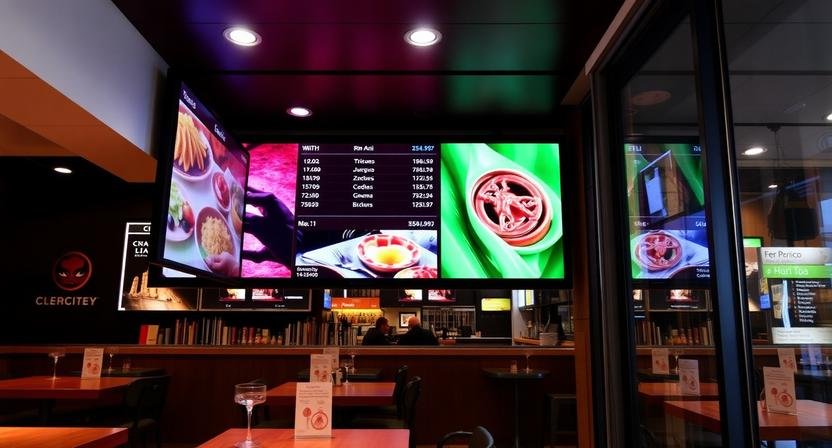
To produce a successful digital menu, simply posting text on a screen is not enough. Follow these design principles:
Keep It Simple
Excessive information overwhelms viewers. Keep the number of items on the screen manageable and use clear headings. White space is just as important on a digital screen as it is in print.
Use High-Quality Imagery
Poorly lit or blurry pictures can spoil the entire experience. Invest in professional food photography that accurately represents what is served.
Prioritize Readability
Font size, contrast, and color selection are important. Customers should be able to read the menu easily, whether they are standing in a queue or sitting at a table.
Maintain Brand Consistency
Colors, fonts, and logos must align with the restaurant’s overall branding. A restaurant TV menu is not a separate brand but an extension of the existing one.
Myths About Digital Menu Boards
Some restaurant owners are hesitant to use digital menu boards because they believe the technology is complex or expensive. However, modern systems are generally more user-friendly. Updates can be made through a smartphone or laptop using cloud-based platforms. Costs have also decreased as display technology has become more affordable.
Another common myth is that digital menus discourage older customers. In practice, digital displays may be easier to read than traditional printed menus because of their larger text and clearer images.
The Future of Restaurant TV Menus
With the development of technology, restaurant TV menus will become more interactive. They are already beginning to integrate with mobile ordering, loyalty programs, and AI-based recommendations. Certain systems can modify displays depending on the weather, time of day, or inventory levels. The restaurant TV menu is not merely a replacement for paper menus but a platform for smarter communication with customers.
Conclusion
The introduction of restaurant TV menus and digital menu boards for restaurants reflects a wider move toward using technology to improve hospitality. These screens are visually appealing, efficient, and flexible in ways that printed menus cannot match. Investing in digital menu boards is a practical and progressive option for restaurants that want to modernize, enhance the customer experience, and remain competitive. As the industry continues to evolve through innovation, those who adopt digital displays will be well-positioned to meet the demands of today’s diners.


