 WhatsApp Us Now

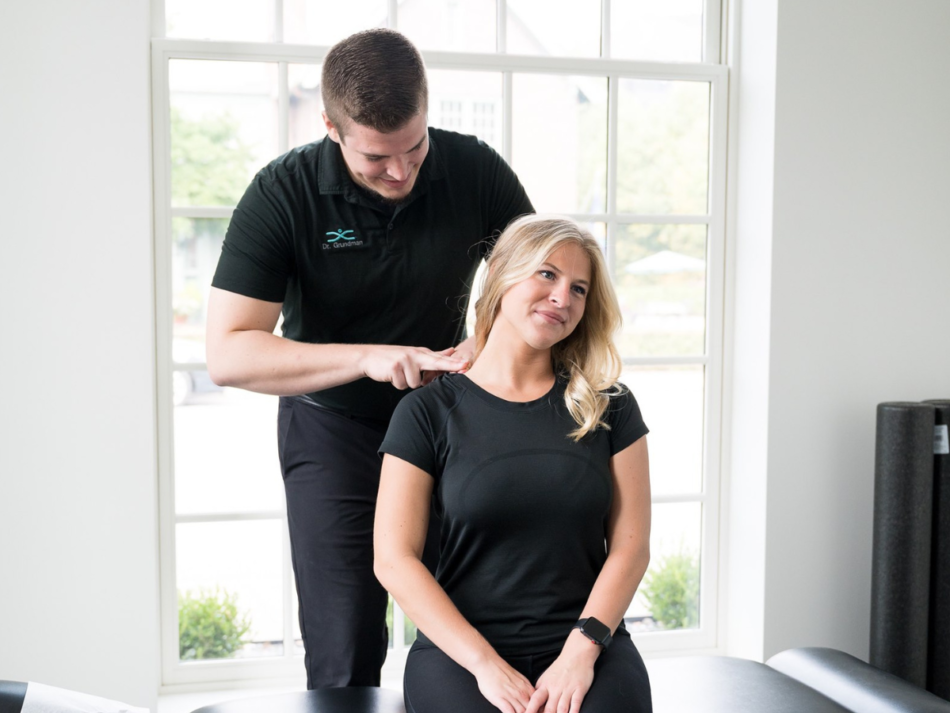
The injury can change how you have to approach your favorite sport. An athlete may struggle to maintain their usual pace; a tennis player may find it hard to keep up with a slower pace, serve, or do the most demanding strength exercises at the gym and in their daily routine. In addition to physical pain, sports injuries can reduce confidence, disrupt training consistency, and affect overall physical fitness and performance.
Carmel could address these muscle, joint, and movement-related problems with a Sports Injury Chiropractor. A proper assessment and recovery plan tailored to the injury can help restore function and get active people back into their daily lives.
Why do sports injuries happen?
Sports injuries don’t always come from a sudden crash. They can develop slowly when the body is stressed so much that it can’t recover. Some occur when you move rapidly, in contact, or change direction.
Several factors can be involved in these injuries:
Training overload – Increasing workout intensity or length too soon puts too much pressure on muscles and tendons.
Movement limitations – Limited mobility can affect how some movements are performed, but it doesn’t necessarily mean the problem needs to be treated.
Muscle fatigue – Tired muscles may not maintain control during hard workouts.
Inadequate recovery – Frequent high-intensity workouts without enough rest can lead to overuse problems.
Previous injuries – Returning to sports before fully recovering strength and function can worsen problems.
When athletes understand these factors, they can recognize symptoms and adjust their training patterns and routines.
How can a Sports Injury Chiropractor in Carmel support recovery?
Chiropractic care can be part of a conservative treatment plan for selected musculoskeletal injuries. First, we determine whether your symptoms are appropriate for chiropractic management or require another type of medical care.
Understanding the Injury with Assessment
A thorough examination considers your symptoms, sporting activities, injury history, and physical limitations. Your chiropractor will assess joint movement, muscle function, and the activities that reproduce discomfort. If you need a medical examination and/or diagnostic imaging, you will receive a diagnosis.
If conservative treatment is appropriate, it can help identify areas that need further work.
Addressing Movement-Related Discomfort
Depending on the diagnosis, treatment may include gentle joint mobilization, soft tissue techniques, and exercises to improve mobility or functional movement. For some conditions, spinal manipulation may be used; however, it should not be applied indiscriminately. Treatment should have a clear purpose, and progress should be evaluated based on meaningful changes in symptoms and daily function.
Building Strength and Functional Capacity
Pain relief is only one part of recovery. Athletes must regain the strength, balance, coordination, and endurance to do their chosen sport. A rehabilitation plan may include progressive exercises tailored to the injury and the athlete’s capabilities. A physician or physical therapist may be necessary for complex injuries or return-to-sport needs.
What makes a Sports-Focused Recovery Plan different?
A general approach to discomfort may not meet your sport’s specific demands. A runner needs sufficient tolerance for repetitive impact; a golfer needs to keep the rotation controlled; a swimmer needs to keep the shoulder moving.
A well-planned recovery strategy should therefore consider:
· The movements and physical demands of your sport, along with current symptoms and functional limitations.
· Correct training volume and intensity adjusted.
· Gradual progression to sport-specific activities, with clear criteria for returning to unrestricted participation.
· Athletes should not conclude from the absence of pain alone that an injury has fully healed.
· Everyday habits that support long-term performance.
· Recovery habits focus on managing training so it’s more manageable.
Make sure to do a proper warm-up, gradually increase training loads, get enough sleep, and take time to rest between training sessions. Pay attention to common pain rather than training through it. Consider immediate medical attention for severe pain, very heavy swelling, a very obvious deformity, a loss of weight, or increasing weakness or numbness.
Make Recovery a part of your training strategy
Carmel’s Sports Injury Chiropractor looks beyond immediate symptom relief to find a good doctor who can advise you on treatment, help with a medical referral, and support you through the slow, measurable recovery process.


