 WhatsApp Us Now

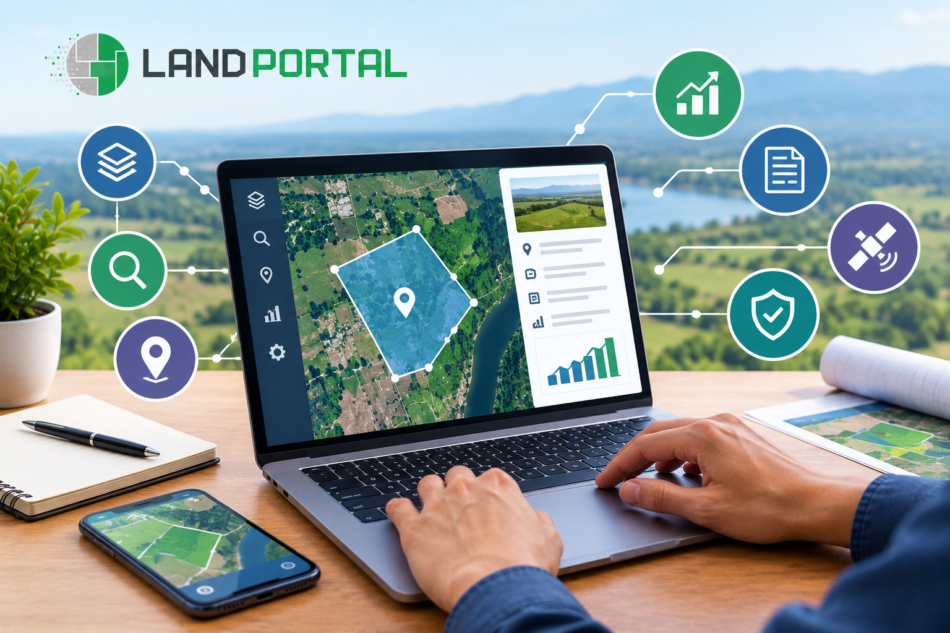
Buying vacant land looks simple until you start underwriting. A parcel can look cheap on a listing site and turn into a money pit after you account for access, slope, wetlands, or a bad comp set. The right analysis toolkit helps you catch those problems before you make an offer.
If you are getting serious about land investing, your evaluation process needs more than a county map and a spreadsheet. You need data, context, and math in one place.
Accurate Parcel and Ownership Data
Every good analysis starts with knowing exactly what you are looking at.
Fresh Data Over Stale Records
County records update on different schedules. Outdated ownership or acreage numbers lead to wasted mail and bad offers. Look for a tool that pulls directly from county assessor and recorder sources and refreshes often, not a static database from last year. You want parcel boundaries, APN, acreage, zoning, and last sale date that match what the county shows today.
Verified Ownership Details
Ownership data should include current owner name, mailing address, and ownership length. Bonus points if it flags corporate owners, multiple parcels owned by the same person, and out-of-state owners. That context helps you prioritize outreach and spot portfolio sellers.
Advanced Mapping and Topography Tools
Land is location-specific. You cannot underwrite it from a spreadsheet alone.
Land-Specific Filters That Matter
Generic real estate filters miss what matters for land. Your tool should let you filter for vacant status, road frontage, landlocked parcels, lot size ranges, and improvements. Advanced filters for water features, wetlands coverage, and flood zone status save hours of manual checking. AI-based filters that can find infill lots or parcels with specific use potential are especially useful for narrowing large counties.
Slope, Flood, and Wetland Layers
Buildability drives value. A flat half-acre near utilities is a different deal than a steep mountainside parcel. Look for slope analysis with percentage ranges and a visual overlay, FEMA flood zone layers, and wetlands indicators. A tool that generates a one-page slope report with elevation change and buildable area estimate lets you disqualify non-starters quickly.
Comparable Sales And Market Intelligence
Price is set by comps, not by what a seller hopes to get.
Real Sold Comps Not Just Active Listings
Many tools show only active listings. You need recently sold comps for similar size, zoning, and location. The best deal analysis tools pull nationwide MLS data for sold land, plus for sale and pending, with photos, days on market, and price per acre. You should be able to draw a custom radius around your subject parcel and filter comps by date, size, and topography.
Heatmaps and Demand Signals
Market level data prevents you from buying in a dead zone. Heatmaps that show sales velocity, median price trends, and listing density by zip code or county give you a quick read on demand. Market research reports that summarize growth patterns and price movement help you explain your offer price with data instead of guessing.
What Is Good Land Investing Software? Should Calculate For You
Numbers turn a parcel into a deal. Your tool should do the math for you.
Profit and Cost Breakdowns
At minimum, you need fields for purchase price, closing costs, back taxes, holding costs, realtor fees, and assignment or resale costs. The calculator should show gross profit, net profit, and return on investment side by side. Look for the ability to save your default cost assumptions so you can run multiple parcels fast without retyping fees.
Exit Strategy Scenarios
Land deals often have more than one exit. A good tool lets you model a cash flip, a seller-financed note, or a wholesale assignment. For seller financing, you want to see the down payment, interest rate, term, monthly payment, and total profit over time. Scenario comparison helps you decide whether to price for a quick sale or for long-term cash flow.
Built In Skip Tracing And Lead Management
Finding a deal means nothing if you cannot reach the owner.
Skip tracing inside your analysis workflow removes a step. Instead of exporting a list to another service, you should be able to request phone numbers and emails for an owner directly from the parcel view. Look for transparent per record pricing around four to six cents, DNC scrubbing, and accuracy scoring. The ability to build a call list, save notes, and track outreach status in the same platform keeps your pipeline clean.
Due Diligence and Risk Checks
The fastest way to lose money is to skip due diligence.
Your analysis tool should surface risks before closing. That includes flood zone designation, wetlands overlap, landlocked status, road access, and utility proximity. Access to deed history, tax status, and lien indicators is critical. If the tool offers AI powered market comp reports and market research reports in one click, you can attach those to your file for partners or buyers.
Document Access and Report Exports
You will need to share your analysis. Look for exportable reports in PDF or CSV, bulk export options, and data storage that keeps your lists for at least 30 to 60 days. Mobile access matters when you are driving parcels. A map that works on your phone with the same layers as on the desktop lets you confirm access and slope on site.
Ease Of Use And Workflow Fit
Powerful features do not help if the interface is clunky.
Prioritize speed of search, interactive maps that load quickly, and a sidebar that shows key parcel facts without extra clicks. Integration with direct mail or the ability to download a clean list for mailers saves time. Education resources that explain how to use filters and read reports shorten your learning curve. For those building a business around land investing, workflow fit is what turns occasional deals into consistent volume.
To Conclude
The best land deal analysis tools combine three things: accurate parcel and ownership data, visual mapping that reveals buildability, and financial modeling that shows true profit. Add sold comps, market intelligence, and built-in skip tracing and you have a complete underwriting workflow in one place.
When you compare options, test them with real parcels from your target county. Run a comp report, check slope and flood layers, calculate an offer, and skip trace an owner. That hands-on test shows which platform saves you time and avoids costly mistakes.
Tools like Land Portal were built specifically for this workflow, with land-specific filters, nationwide comps, slope and market reports, and low-cost skip tracing designed for vacant land investors. If you need a single place to find, research, and reach owners, land investing software with these features will make your analysis faster and more reliable.


